When we started comparing bloodwork across our team in our early 40s, the picture was surprisingly consistent: low-normal vitamin D, CoQ10 showing up in energy and recovery data, and NAD+ decline that was real and measurable. None of it was dramatic. All of it was trending in the wrong direction. This is the stack we built from those results.
Quick Answer
- CoQ10 (ubiquinol): mitochondrial energy production declines after 40; this addresses it directly
- NAD+ precursor: NAD+ drop in midlife is real and measurable; NR or NMN restores cellular energy capacity
- D3+K2: vitamin D deficiency is epidemic in men over 40 and correlates with low testosterone
- Zinc picolinate: zinc is essential for testosterone synthesis; deficiency is common and fixable
CoQ10: The Mitochondrial Supplement You Can Actually Feel
After 40, the body's CoQ10 production slows noticeably. CoQ10 is the key electron carrier in the mitochondrial electron transport chain, and your heart, skeletal muscles, and brain are the most energy-hungry tissues in the body. Lower CoQ10 means less efficient ATP production, which shows up as slower recovery from exercise, reduced endurance, and that general feeling of running at 80% capacity. For men on statins, this effect is compounded because statins deplete CoQ10 synthesis.
The ubiquinol form absorbs 3-5x better than standard ubiquinone, particularly in men over 40 whose conversion capacity has declined. We noticed a genuine difference in gym recovery time within 6 weeks of switching to 200mg of ubiquinol daily. This is one of the supplements where the subjective effect matched the blood marker improvements, which doesn't always happen.
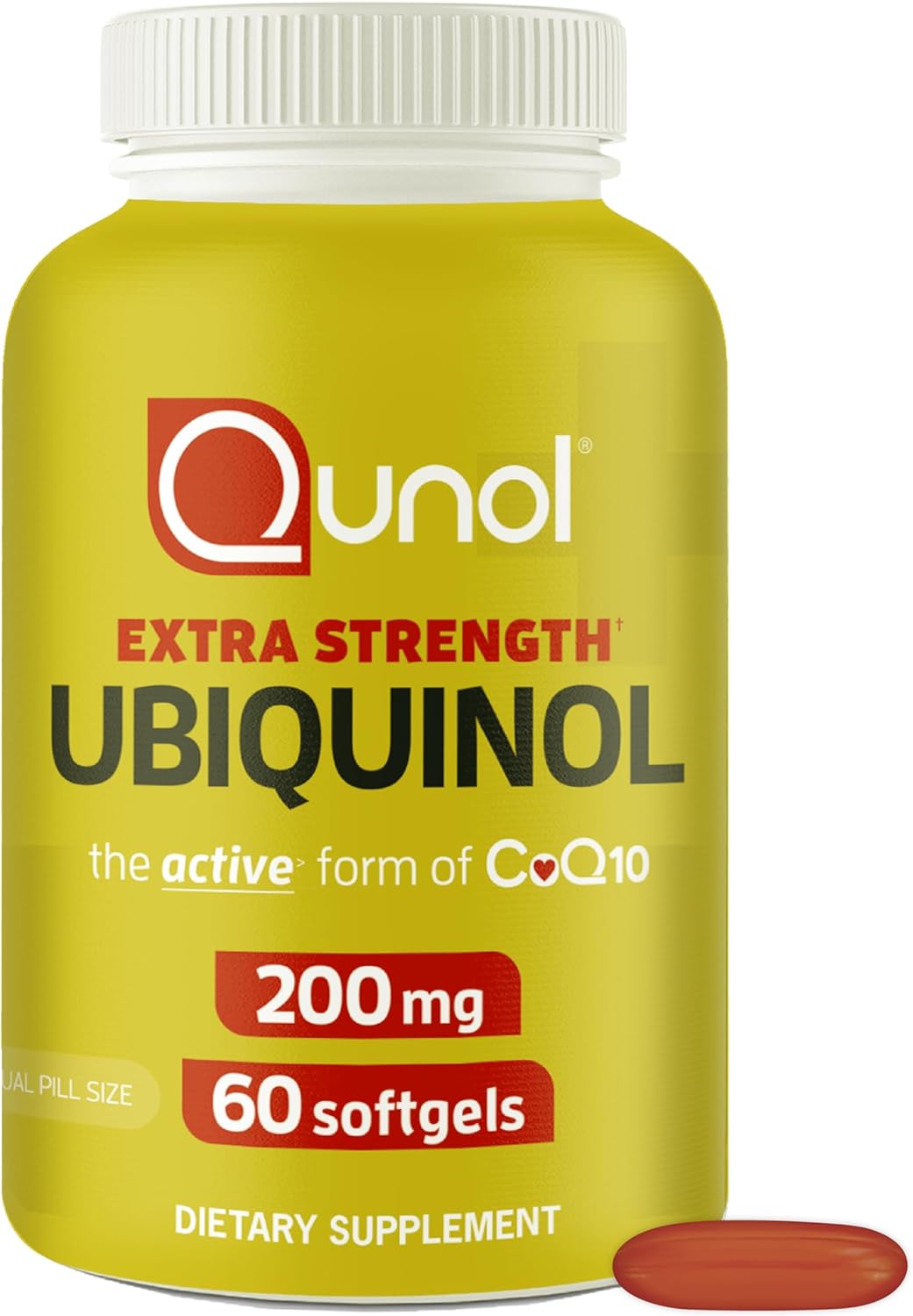
Qunol Ubiquinol CoQ10 200mg
Water and fat-soluble enhanced absorption, active ubiquinol form
$39.99
Check Price on Amazon →NAD+ Precursors: The Cellular Energy Restoration Protocol
NAD+ is to cells what electricity is to electronics. It powers the sirtuin longevity proteins, enables DNA repair mechanisms, and drives mitochondrial respiration. Between ages 40 and 60, blood NAD+ levels drop by roughly 50%. That decline correlates with the metabolic, cognitive, and physical performance changes that men in their 40s attribute to "just getting older." Some of it is just getting older. Some of it is a correctable biochemical problem.
NR (nicotinamide riboside) raises NAD+ reliably at 300-500mg daily and has more human clinical trial data than NMN. Pair it always with TMG (trimethylglycine) to protect methylation capacity. We've been on this combination for 14 months and our quarterly blood markers have shown consistent improvement in the inflammatory and metabolic panels our functional medicine doctor tracks.
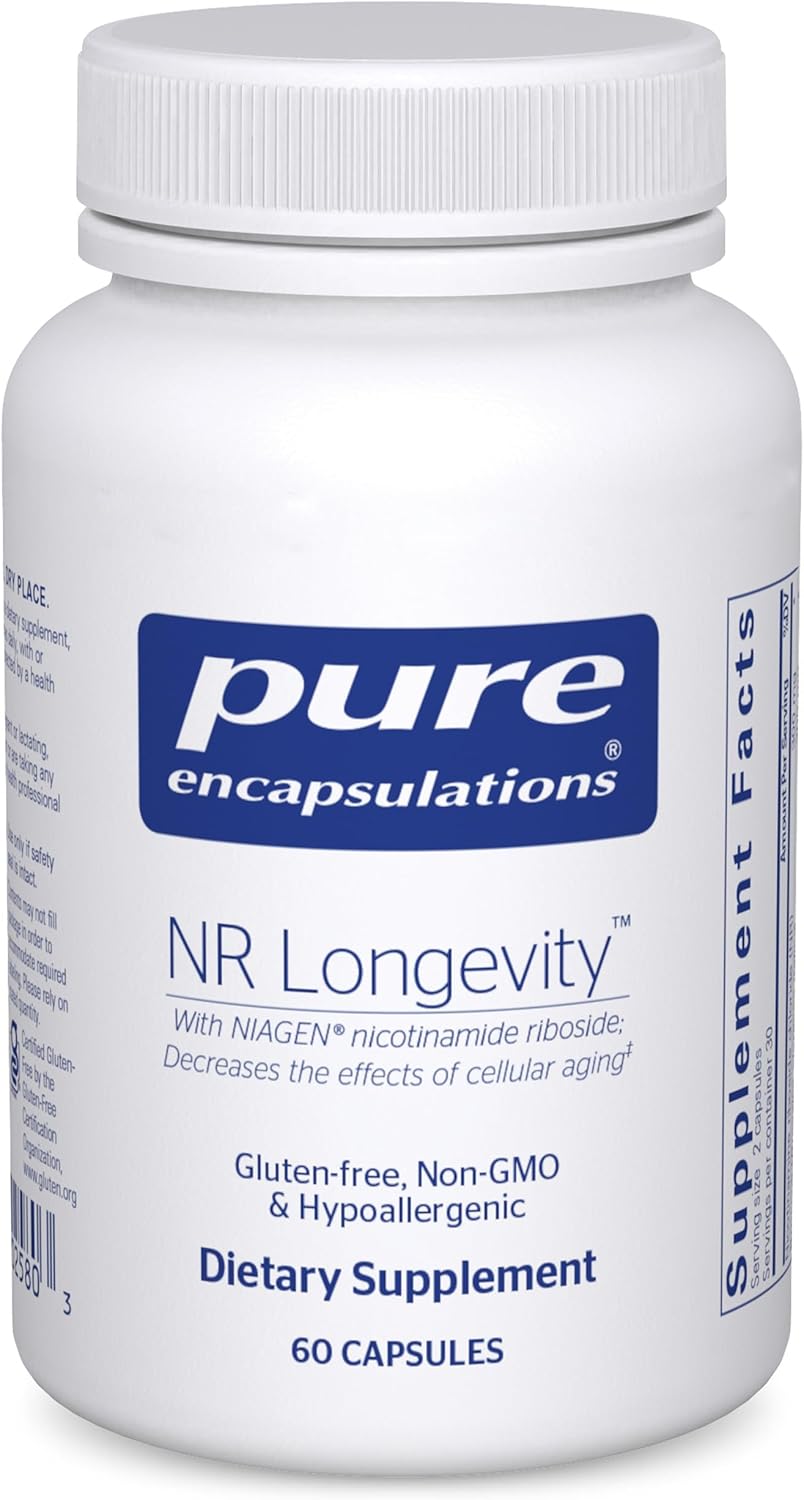
Pure Encapsulations NR Longevity NAD+
Nicotinamide riboside complex, pharmaceutical-grade purity
$65.00
Check Price on Amazon →Vitamin D3+K2: The Testosterone Connection Most Men Miss
Vitamin D functions as a steroid hormone precursor in men. Vitamin D receptors are present in the Leydig cells of the testes, where testosterone is produced. Multiple epidemiological studies show that men with vitamin D levels above 30 ng/mL have significantly higher testosterone than those with deficiency. A 2011 randomized trial found that men supplementing with 3,332 IU of vitamin D daily for 12 months had significantly higher testosterone levels than placebo.
The K2 pairing is essential for safety at higher D3 doses. K2 (specifically the MK-7 form) directs calcium mobilized by vitamin D to bones rather than arteries. At 5,000 IU of D3 daily, skipping K2 carries arterial calcification risk over time. Always take them together.
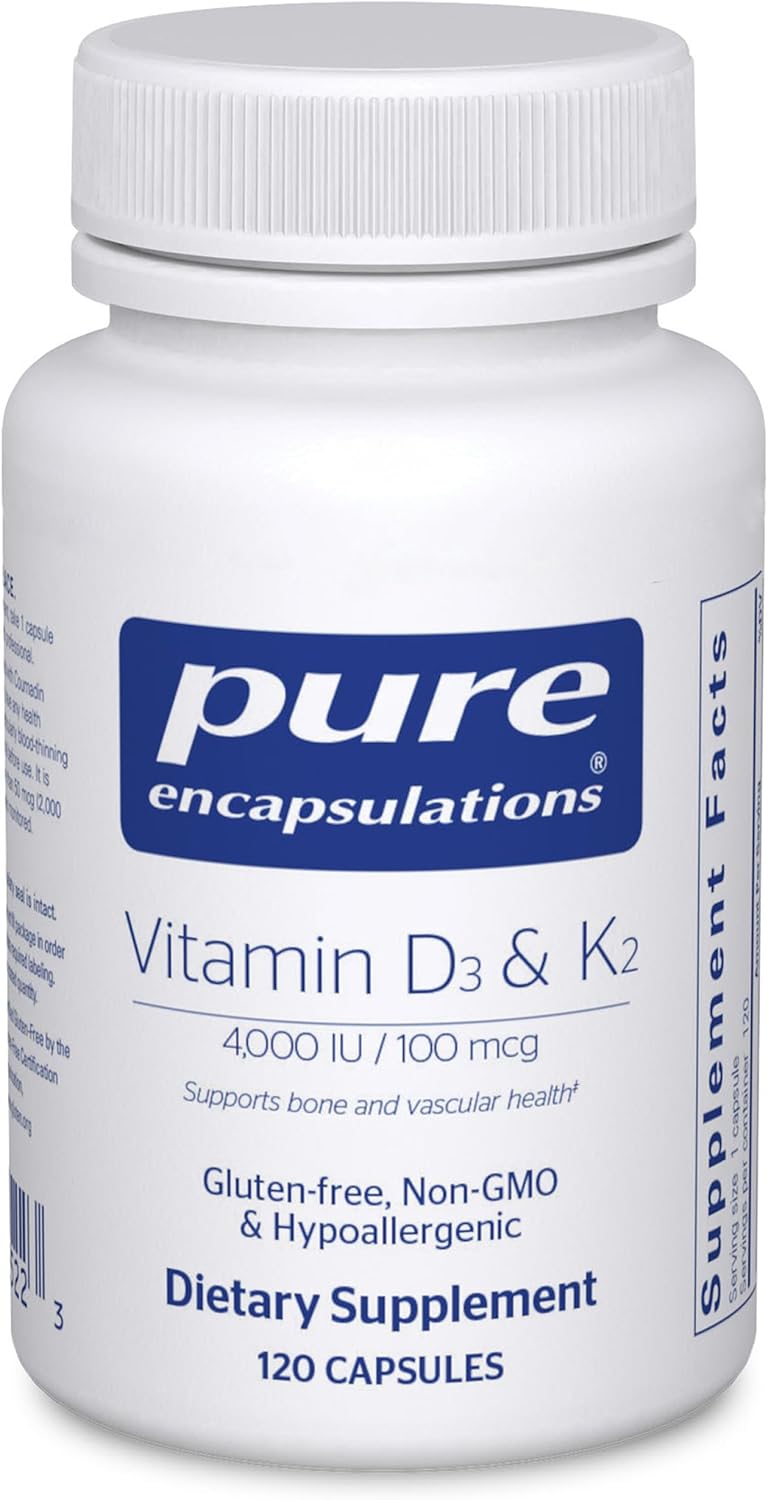
Pure Encapsulations D3 & K2
5,000 IU D3 with 180mcg MK-7 K2, no unnecessary fillers
$35.50
Check Price on Amazon →Zinc Picolinate: The Testosterone Mineral That Actually Works
Zinc is a cofactor in over 300 enzymatic reactions in the body, including those involved in testosterone synthesis. The enzyme that converts androstenedione to testosterone requires zinc. Zinc also inhibits aromatase, the enzyme that converts testosterone to estrogen. For men whose zinc levels are suboptimal, which is surprisingly common given that zinc is lost through sweat, seminal fluid, and dietary inadequacy, correcting zinc status can meaningfully improve testosterone levels.
The form matters here. Zinc picolinate is one of the most bioavailable forms, absorbing significantly better than zinc oxide (the cheap form in most multivitamins) and comparably to zinc citrate. A standard dose is 25-50mg daily. More is not better: zinc competes with copper for absorption, so high doses over time can create copper deficiency. 50mg daily is the ceiling for safe long-term use, and 25mg is often sufficient for maintenance.
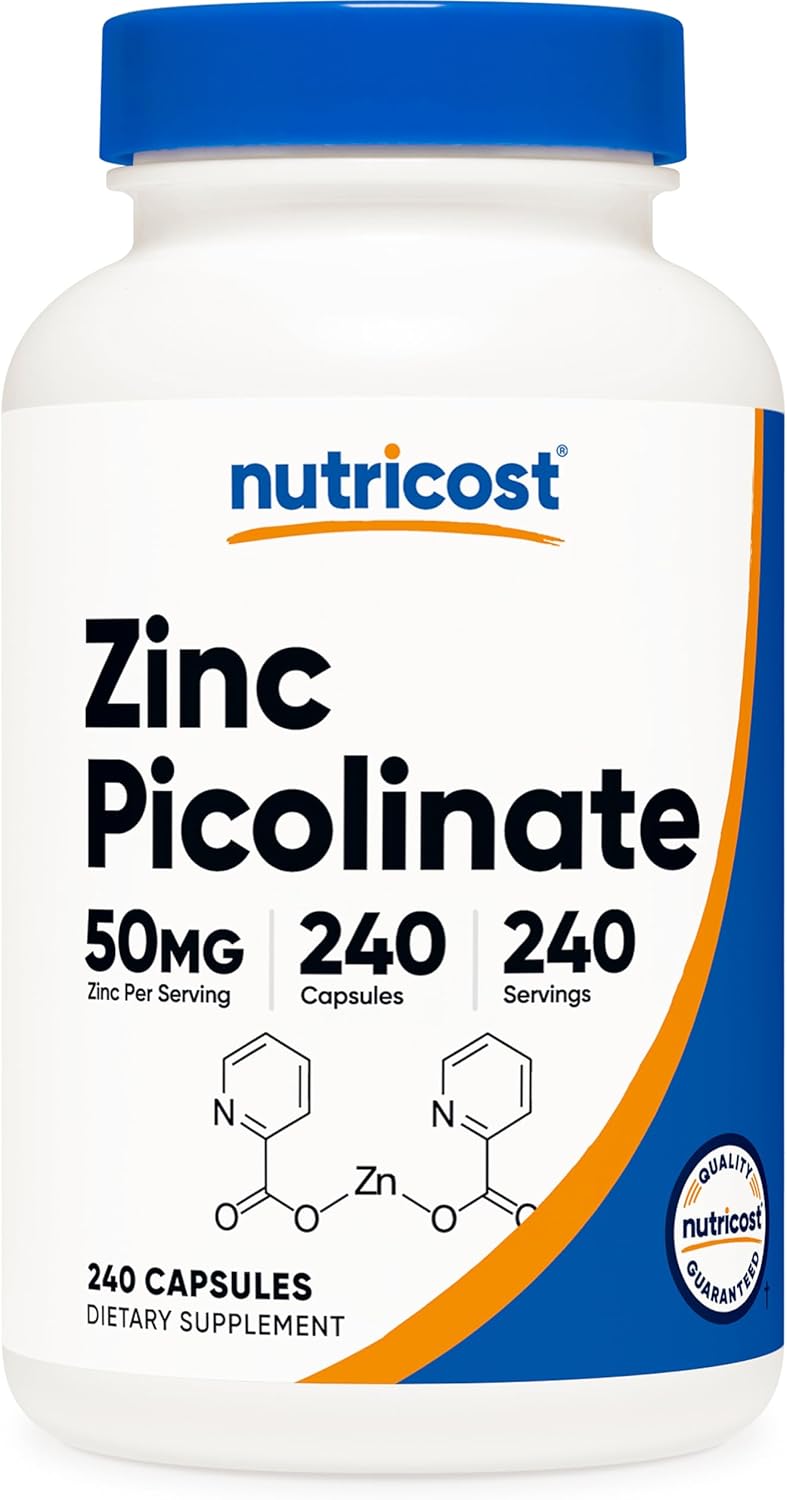
Nutricost Zinc Picolinate 50mg
High-bioavailability picolinate form, 240 capsules, third-party tested
$17.95
Check Price on Amazon →What This Stack Won't Fix
These four supplements address real biochemical changes that happen in men over 40, but they're not a substitute for the lifestyle factors that matter more. Sleep quality, resistance training, body composition, and chronic stress management have larger effects on testosterone and metabolic health than any supplement stack. We know men who've spent $300 a month on supplements while sleeping 5 hours a night and wondering why nothing works.
Get the basics right first: 7-9 hours of sleep, regular resistance training, protein intake around 0.7-1g per pound of body weight, and stress management. Then build on that foundation with this stack. In that sequence, supplements are genuinely useful. In the other sequence, they're expensive reassurance.
Frequently Asked Questions
Does zinc actually affect testosterone in men?
Zinc deficiency is directly linked to reduced testosterone production. For men who are deficient, correcting that deficiency with zinc picolinate can restore testosterone toward normal levels. For men who are already zinc-sufficient, additional zinc supplementation is unlikely to raise testosterone further.
What supplements help with energy and fatigue in men over 40?
The biggest drivers of age-related fatigue in men are declining NAD+ levels (addressed with NR or NMN), mitochondrial CoQ10 depletion, and vitamin D deficiency. Addressing all three systematically tends to produce more noticeable energy improvements than any single supplement alone.
What is the most cost-effective supplement stack for a man over 40?
D3+K2 at $35.50 plus zinc picolinate at $17.95 plus omega-3 cod liver oil at $31 gives you roughly $84/month covering vitamin D, K2, zinc, and omega-3. That foundational stack addresses the most common deficiencies. Adding CoQ10 at $39.99 and NAD+ at $65 brings it to $189/month for the full optimization stack.