Zinc is one of those supplements where the form you take determines whether it works at all. Our team spent time comparing absorption studies across zinc forms after noticing that the zinc in most multivitamins is the oxide form - which absorbs at a fraction of the rate of picolinate or citrate. Here's what the research shows and what we actually use.
Quick Answer
- Zinc picolinate absorbs best: the picolinate chelate enhances uptake; studies show significantly higher absorption vs zinc oxide
- Zinc oxide is the worst form: the most common and cheapest form; should be avoided when supplementing specifically for zinc status
- Essential for immunity: zinc deficiency directly impairs T-cells, natural killer cells, and antibody production
- Watch the copper balance: long-term zinc above 25mg daily can deplete copper; supplement 1-2mg copper alongside
Why Zinc Form Determines What You Actually Absorb
Zinc is a divalent metal cation (Zn2+) that competes with other metals for intestinal absorption transporters. Its absorption efficiency ranges from roughly 10% (zinc oxide) to over 60% (zinc picolinate, zinc citrate) depending on the form and the food matrix it's consumed with. The differences are not marginal.
A direct comparison study published in 1987 in the Journal of Nutrition compared zinc picolinate, zinc citrate, and zinc gluconate in healthy subjects. Zinc picolinate produced the highest blood and tissue zinc levels after supplementation, outperforming citrate and gluconate by a meaningful margin. The mechanism involves picolinic acid (a natural metabolite of tryptophan), which forms a stable, lipophilic complex with zinc that facilitates intestinal uptake. The same study confirmed that zinc oxide was inferior to all three chelated forms.
More recent data confirms these findings. If your multivitamin lists "zinc oxide" as the zinc source, you're getting a fraction of the zinc activity you'd get from the same dose in picolinate form. This is why zinc is one of the nutrients where paying for the right form actually matters in terms of results.
Zinc and Immune Function: The Evidence
Zinc's role in immune function is one of the best-characterized relationships in nutritional immunology. Zinc is required for the development and activation of T-lymphocytes, and zinc deficiency specifically impairs CD4+ T-helper cell function, natural killer cell cytotoxicity, and the antibody response to vaccination. Population studies consistently show higher infection rates and poorer vaccine responses in zinc-deficient individuals.
For acute illness, the evidence for zinc lozenges (not capsules) is interesting. Multiple meta-analyses have found that zinc acetate or gluconate lozenges started within 24 hours of cold symptom onset reduce symptom duration by 1-2 days. The mechanism likely involves zinc ions directly inhibiting rhinovirus replication in nasopharyngeal tissue. The key is lozenge form for this effect; capsules don't replicate it because the zinc doesn't contact the pharyngeal tissue directly.
For long-term immune function support through correcting deficiency, capsule form zinc picolinate is appropriate and effective. It's the acute cold reduction that specifically requires lozenges.
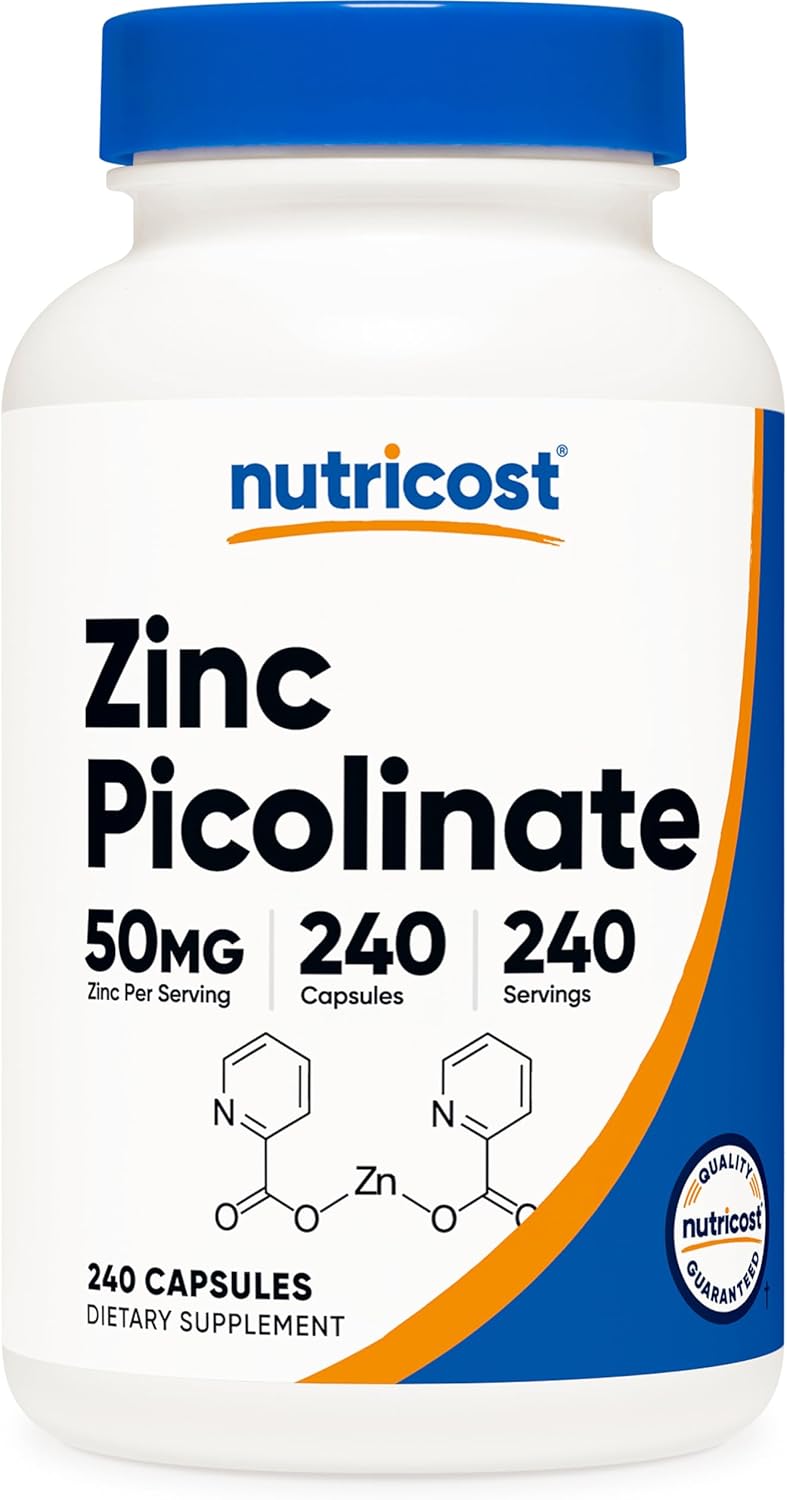
Nutricost Zinc Picolinate 50mg
50mg zinc picolinate per capsule, 240 capsules, third-party tested
$17.95
Check Price on Amazon →The Testosterone Connection and Why Men Should Track Their Zinc
Zinc is a cofactor for 17-beta-hydroxysteroid dehydrogenase, the enzyme that converts androstenedione to testosterone in Leydig cells. It also inhibits aromatase, the enzyme that converts testosterone to estrogen. For men, zinc deficiency is directly linked to suppressed testosterone production, and supplementation in deficient men reliably restores testosterone toward normal levels. This is one of the few genuine supplement-to-hormone mechanisms that's well documented in humans.
The caveat: zinc supplementation in men with already adequate zinc status doesn't dramatically increase testosterone further. It's a deficiency correction, not a hormone booster in the marketing sense. Given that zinc is lost through sweat, seminal fluid, and is often poorly absorbed from common dietary sources (the zinc in grains is bound by phytates that reduce absorption), many men in active lifestyles are lower in zinc than they realize.
Safety: The Copper Depletion Risk
At the 50mg dose in this product, zinc and copper share intestinal absorption transporters (specifically the MT and ZIP transporters), and zinc at high doses can displace copper. Long-term supplementation above 25mg daily without copper co-supplementation has caused copper deficiency in documented cases. Symptoms: anemia, neurological problems, and immune dysfunction that ironically resemble zinc deficiency.
The fix is simple: if you're supplementing zinc at 25-50mg daily, add 1-2mg of copper as a separate supplement, or use every-other-day dosing to reduce total weekly zinc exposure. Alternatively, take the Nutricost 50mg capsule every other day for an effective daily average of 25mg, which is below the threshold where copper depletion becomes a concern.
Frequently Asked Questions
What is the best form of zinc to take?
Zinc picolinate and zinc citrate are generally considered the best-absorbed forms. Zinc picolinate forms a complex with picolinic acid that enhances uptake through intestinal cells. Zinc gluconate is another well-absorbed option. Zinc oxide, the cheapest and most common form in generic supplements, has the lowest bioavailability and should be avoided when possible.
How much zinc should we take daily?
The RDA for adult men is 11mg and for women is 8mg. Supplemental doses for immune support typically range from 25-50mg daily. The tolerable upper limit is 40mg daily for long-term use. At 50mg, short-term supplementation is generally safe but long-term use at this dose can deplete copper. Copper supplementation (1-2mg) is advisable when taking zinc above 25mg daily for extended periods.
Does zinc help with immune function?
Yes. Zinc is essential for immune cell development, function, and signaling. Zinc deficiency impairs T-cell development, reduces natural killer cell activity, and increases susceptibility to infection. For acute illness, high-dose zinc lozenges (not capsules) have demonstrated reduction in cold duration when taken within 24 hours of symptom onset.