Our team spent longer than expected on this comparison because the answer is less obvious than it looks. Cod liver oil isn't just an omega-3 source - the addition of vitamins A and D changes the calculus in ways that matter for your existing stack. Here's how we think about it and what most omega-3 guides leave out.
Quick Answer
- Same core benefit: both deliver EPA and DHA, the omega-3s with the strongest cardiovascular evidence
- Cod liver oil adds A and D: naturally occurring fat-soluble vitamins most people are deficient in
- Fish oil wins on omega-3 concentration: concentrated fish oil softgels can deliver 1g+ EPA+DHA per capsule vs 300-500mg in typical cod liver oil softgels
- Quality and freshness matter most: rancid omega-3 is worse than no omega-3
Where They Come From and What's Inside
Regular fish oil is typically extracted from the body of oily fish like sardines, anchovies, mackerel, and herring. Cod liver oil, as the name suggests, comes specifically from cod liver. The liver of cod naturally concentrates fat-soluble vitamins A and D alongside the omega-3 fatty acids, which makes cod liver oil a uniquely nutrient-dense food supplement rather than just an omega-3 source.
Per gram of oil, the EPA and DHA content is broadly similar between cod liver oil and fish oil, though this varies by processing. What distinguishes them is the vitamin content. A standard serving of quality cod liver oil provides roughly 1,000-2,000 IU of vitamin A and 400-1,000 IU of vitamin D. These are naturally occurring, not synthetic additions. For someone who doesn't eat liver, eats limited fatty fish, and lives in a northern climate with limited sun exposure (which describes most Americans), cod liver oil is hitting three deficiencies at once.
The Oxidation Problem with Cheap Fish Oil
Omega-3 fatty acids are highly polyunsaturated, which makes them prone to oxidation when exposed to heat, light, or air. Oxidized fish oil doesn't just lack benefit; research suggests it may actually be harmful, potentially increasing oxidative stress and inflammation. A 2015 study published in Nutrients tested 171 fish oil supplements from New Zealand and found that 83% exceeded at least one measure of oxidation quality standards.
This isn't a minor quality difference. It's the difference between a supplement that helps your cardiovascular system and one that actively harms it. The markers to look for: TOTOX value below 26, peroxide value below 10 mEq/kg, and anisidine value below 20. These should be available from the manufacturer on request, or verified by third-party testing like IFOS certification.
High-quality cod liver oil from brands like Carlson is molecularly distilled to remove contaminants and then tested for oxidation markers. The mild lemon-flavored versions add vitamin E as an antioxidant stabilizer, which extends shelf life and freshness. These processing differences are why quality brand cod liver oil at $31 is categorically different from a $9 generic fish oil.
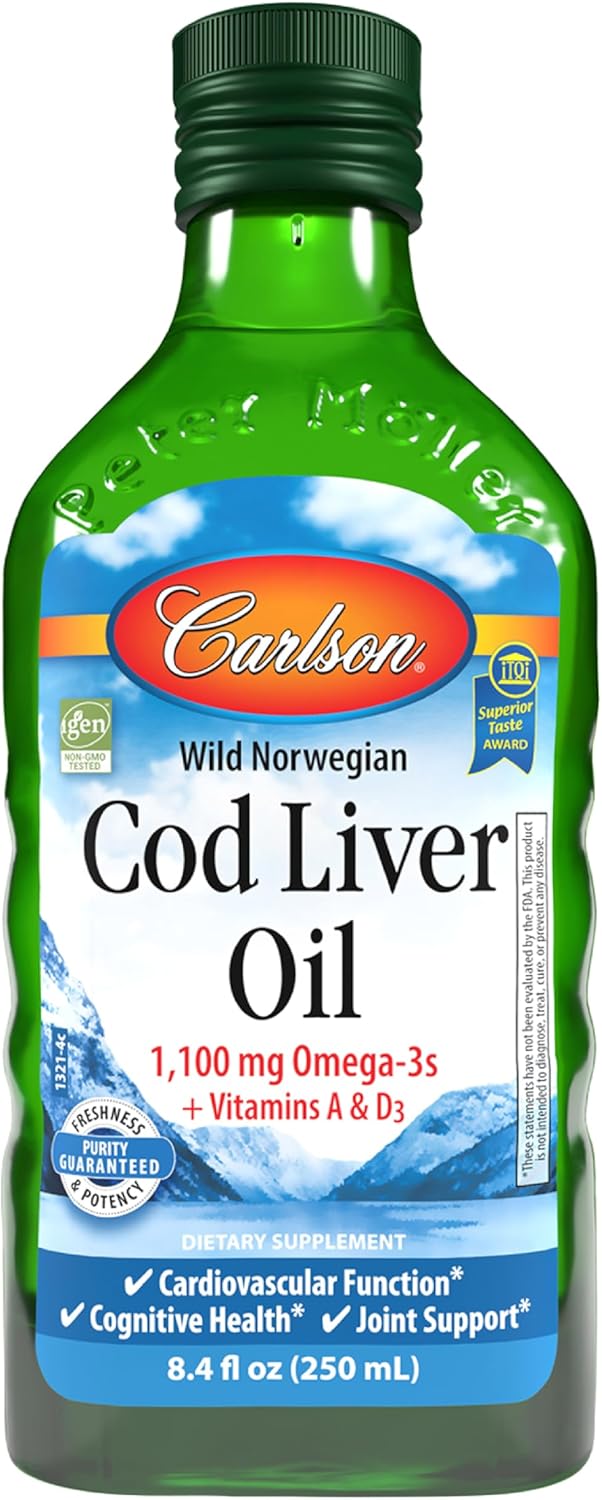
Carlson Cod Liver Oil 1100mg Omega-3
Wild-caught Norwegian cod, molecularly distilled, vitamins A and D
$31.00
Check Price on Amazon →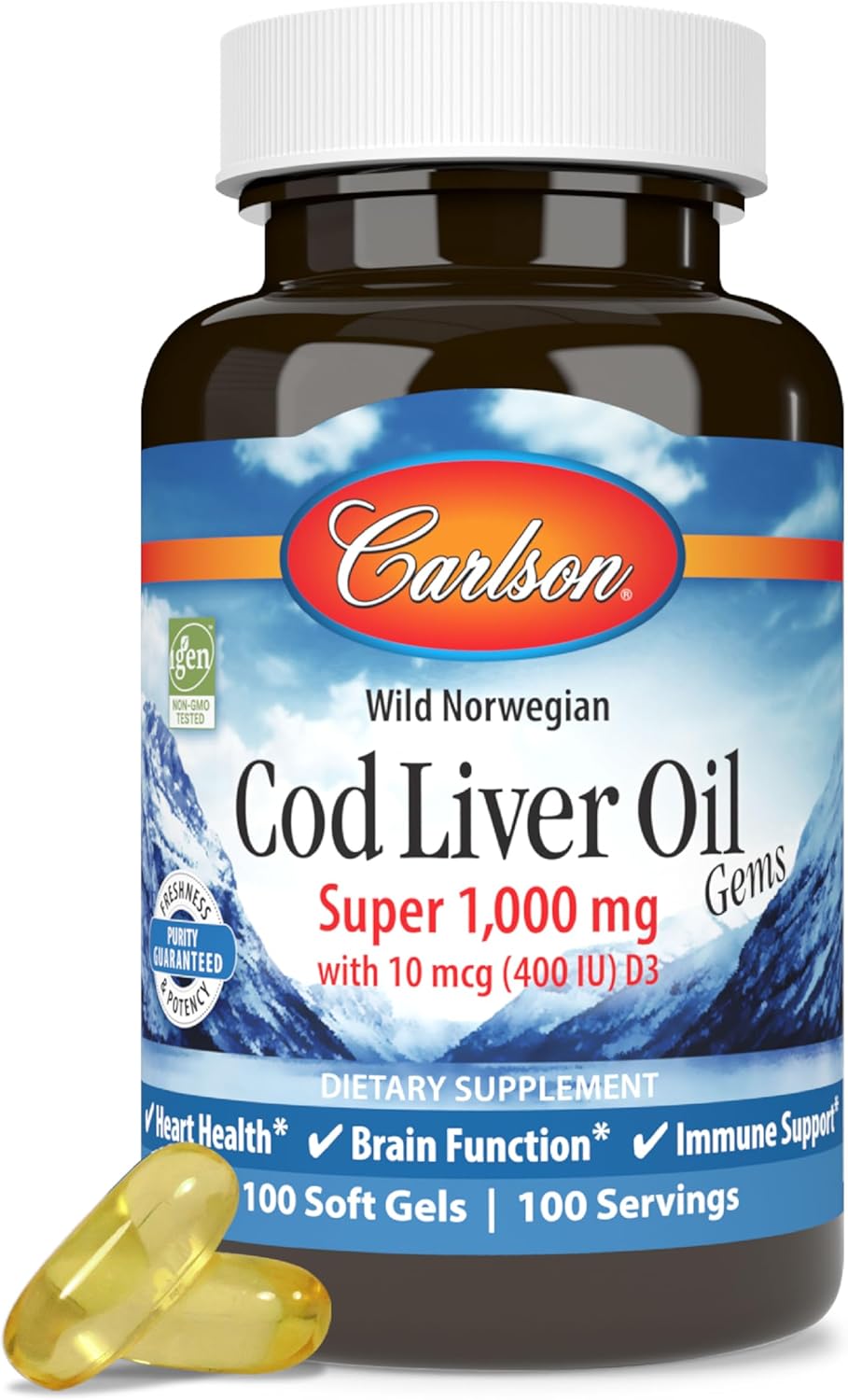
Carlson Cod Liver Oil Gems 1000mg
Soft gel capsule form, same Norwegian cod source, convenient daily dose
$34.99
Check Price on Amazon →Liquid vs Softgel: Which Format Is Better
Carlson makes both the liquid cod liver oil and their Gems softgel version, and the choice comes down to lifestyle rather than efficacy. The liquid version is cheaper per serving and easier to dose precisely. A teaspoon delivers about 1,100mg of omega-3. It needs refrigeration after opening and works best for people who don't mind a daily teaspoon of oil with breakfast. Lemon-flavored versions are quite palatable.
The Gems softgels cost a bit more per serving but travel well, don't require refrigeration for short periods, and are more convenient for people who struggle with the texture of liquid oil. The omega-3 per capsule is slightly lower (around 1,000mg), so you'd take 1-2 capsules to match a full liquid serving. Either form works; the quality is the same. This is a preference call.
When to Choose Concentrated Fish Oil Instead
If your primary goal is hitting therapeutic doses of EPA and DHA specifically for a clinical purpose (high triglycerides, post-cardiac event, severe inflammation), concentrated fish oil supplements can deliver 2-3g of EPA+DHA per serving more efficiently than cod liver oil. The REDUCE-IT trial used 4g of EPA daily, which would require a lot of cod liver oil to match.
But for most people's general health purposes, 1-2g of EPA+DHA daily from a quality source is adequate, and the added vitamins A and D from cod liver oil make it the better all-around choice. If you're eating a diet with plenty of liver, eggs, dairy fat, and spending significant time in the sun, the extra vitamin A and D aren't adding as much. If you're like most indoor-living, limited-sun-exposure, liver-avoiding Americans, the cod liver oil delivers more per dollar.
Frequently Asked Questions
Does cod liver oil have more omega-3 than fish oil?
Not necessarily more, but the omega-3 content is comparable per dose. The key distinction is that cod liver oil also contains naturally occurring vitamins A and D, which standard fish oil does not. If you're already getting plenty of A and D from diet and sunshine, concentrated fish oil giving higher omega-3 per capsule may be preferable.
Is there a risk of vitamin A toxicity from cod liver oil?
At standard doses (1-2 teaspoons or 1-2 soft gels daily), vitamin A toxicity from cod liver oil is unlikely. Toxicity typically requires sustained doses above 10,000 IU daily for extended periods. Most quality cod liver oils provide 1,000-2,000 IU per serving. However, avoid combining high-dose cod liver oil with additional vitamin A supplements.
How do we know if our fish oil has gone rancid?
Rancid fish oil smells strongly fishy, stale, or like paint. Fresh quality fish oil has a mild sea or lemon scent if flavored. If your supplement causes strong fishy burps, it's likely either oxidized or low quality. Store fish oil in the refrigerator after opening, and choose products with added antioxidants like vitamin E or rosemary extract.