Cardiovascular health became a priority for our team after two people close to us had cardiac events before 60. Neither was obese. Neither smoked. Both had what looked like normal bloodwork. That got our attention in a way that statistics never could. Here's the stack we built once we started taking the research seriously.
Quick Answer
- Omega-3 (cod liver oil): lowers triglycerides, reduces inflammation, improves endothelial function
- Ubiquinol CoQ10: essential for cardiac energy production, depleted by statins
- Nattokinase: fibrinolytic enzyme that supports healthy blood pressure and clot prevention
- These complement, not replace: medications, diet changes, and exercise are the foundation
Omega-3: The Foundation No One Should Skip
The cardiovascular evidence for omega-3 fatty acids, specifically EPA and DHA, is the most extensive in supplement research. The REDUCE-IT trial using high-dose EPA (4 grams daily of prescription icosapentaenoic acid) showed a 25% relative reduction in major cardiovascular events in patients with elevated triglycerides. That's a pharmaceutical-grade result from a nutrient. Even at lower supplemental doses (1-2g EPA+DHA daily), the evidence for triglyceride reduction, inflammation reduction, and endothelial function improvement is consistent across dozens of trials.
Cod liver oil is specifically worth highlighting because it delivers EPA and DHA alongside naturally occurring vitamins A and D. The omega-3 from fish oil is functionally equivalent, but cod liver oil provides those co-factors that most people are also deficient in, making it a two-for-one for heart and immune support. The key is quality: cod liver oil should be molecularly distilled or third-party tested for heavy metals and oxidation. Rancid fish oil is counterproductive.
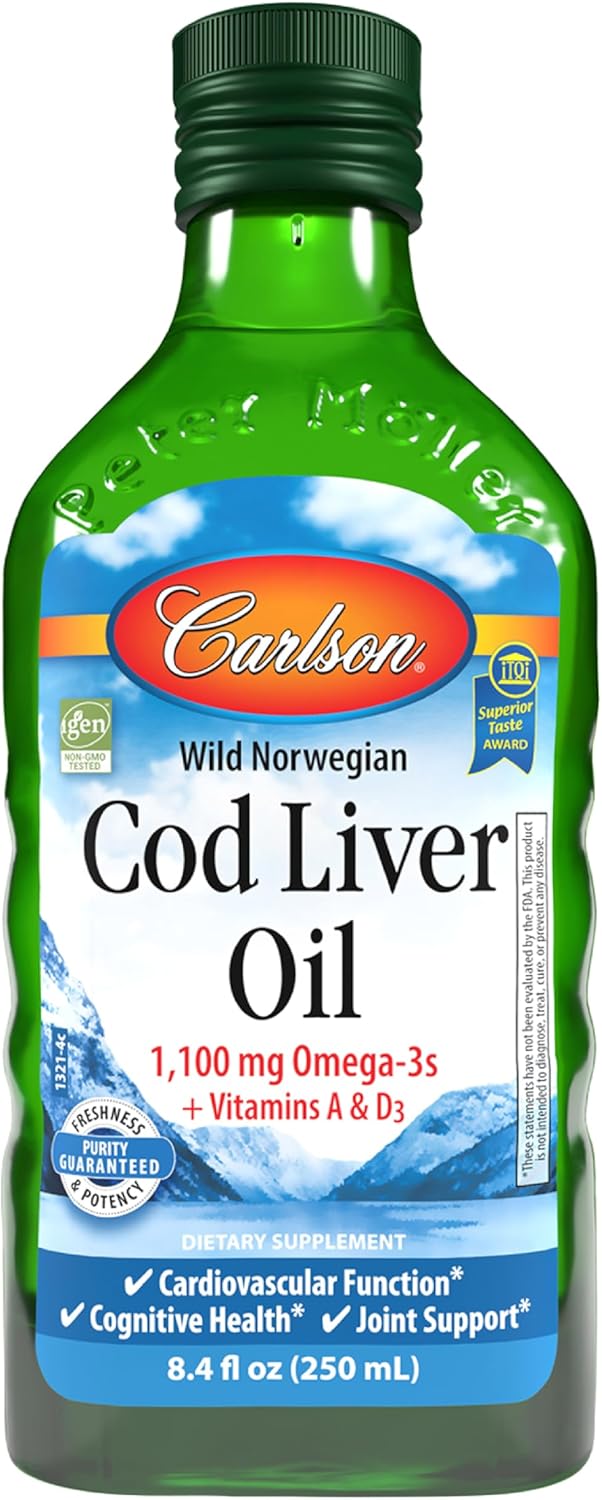
Carlson Cod Liver Oil 1100mg Omega-3
Wild-caught, molecularly distilled, naturally occurring vitamins A and D
$31.00
Check Price on Amazon →Ubiquinol CoQ10: The Mitochondria Support Your Heart Needs
The heart muscle is the most metabolically active tissue in your body. It beats roughly 100,000 times a day and never gets a rest. That constant work requires enormous amounts of ATP, and ATP production depends on CoQ10 in the mitochondrial electron transport chain. Low CoQ10 means reduced cardiac energy output, and CoQ10 levels naturally decline with age and are further depleted by statin medications.
The Q-SYMBIO trial, a double-blind randomized trial across nine countries, found that 300mg of CoQ10 daily significantly reduced cardiovascular events and mortality in heart failure patients over 2 years. That's one of the strongest outcomes for any supplement in a cardiovascular population. CoQ10 doesn't replace heart failure medications, but it appears to meaningfully add to outcomes alongside them.
For the absorption reasons detailed in our CoQ10 vs Ubiquinol comparison, we use the ubiquinol form. At 200mg with a fatty meal, you're getting meaningful circulating levels without having to take multiple capsules throughout the day.
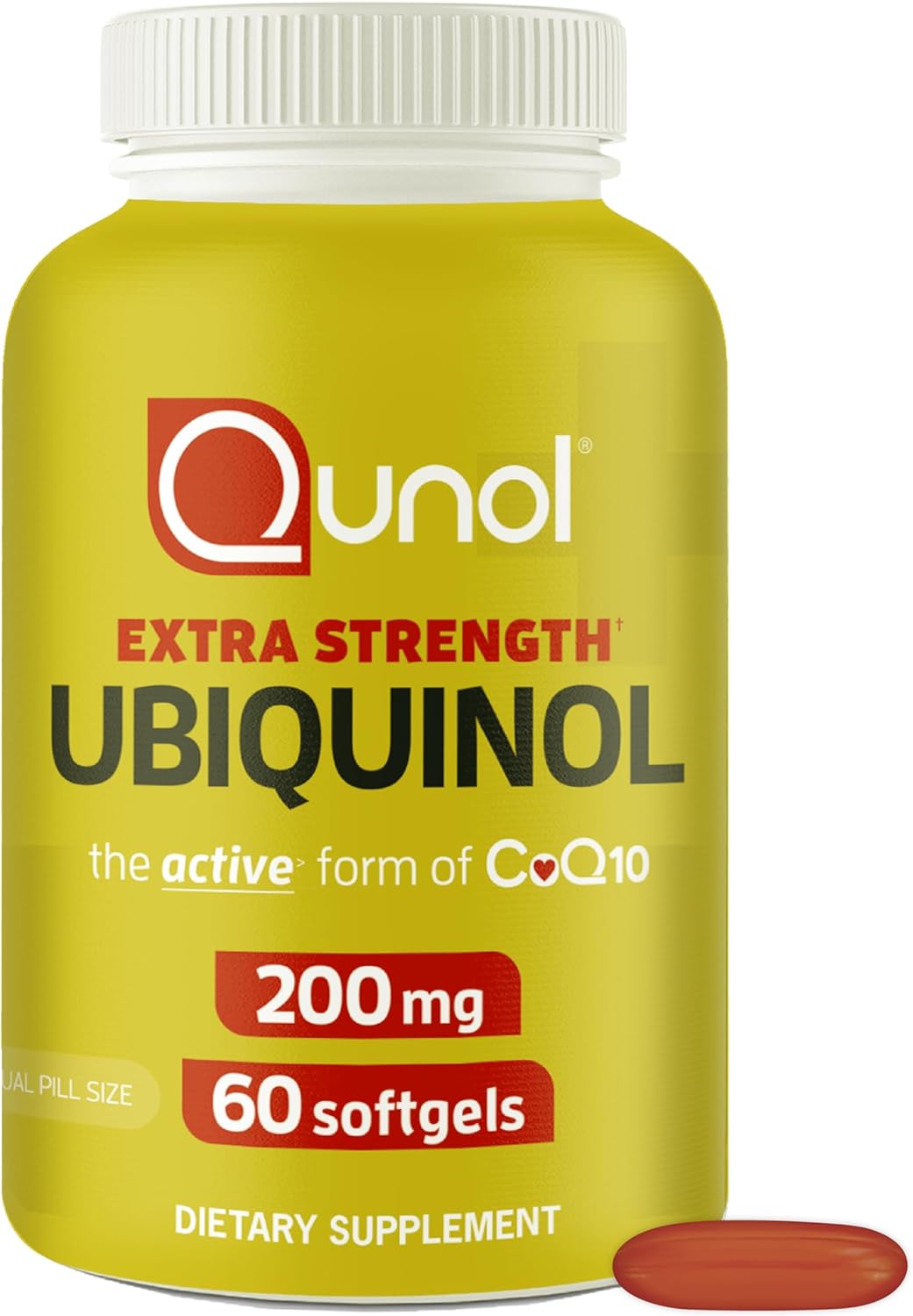
Qunol Ubiquinol CoQ10 200mg
Water and fat-soluble enhanced absorption, active ubiquinol form
$39.99
Check Price on Amazon →Nattokinase: The Fibrinolytic Enzyme Worth Knowing
Nattokinase is an enzyme derived from natto, the fermented soybean dish common in Japan. It has fibrinolytic properties, meaning it can help dissolve fibrin, a protein involved in blood clot formation. This makes it potentially useful for cardiovascular health in several ways: blood pressure reduction, clot prevention support, and improved blood fluidity.
A 2008 clinical study found that 2,000 FU (fibrinolytic units) of nattokinase daily for 8 weeks reduced systolic blood pressure by 5.5 mmHg and diastolic by 2.84 mmHg in hypertensive subjects. A 2018 Korean study demonstrated that nattokinase supplementation reduced arterial stiffness in healthy adults. These aren't huge effects, but they're real effects at doses that are achievable through supplementation.
The important caveat: nattokinase has blood-thinning effects and should not be combined with anticoagulants like warfarin without physician oversight. If you're not on blood thinners and your blood pressure is creeping up, nattokinase is one of the more interesting natural options to add to your cardiovascular stack.
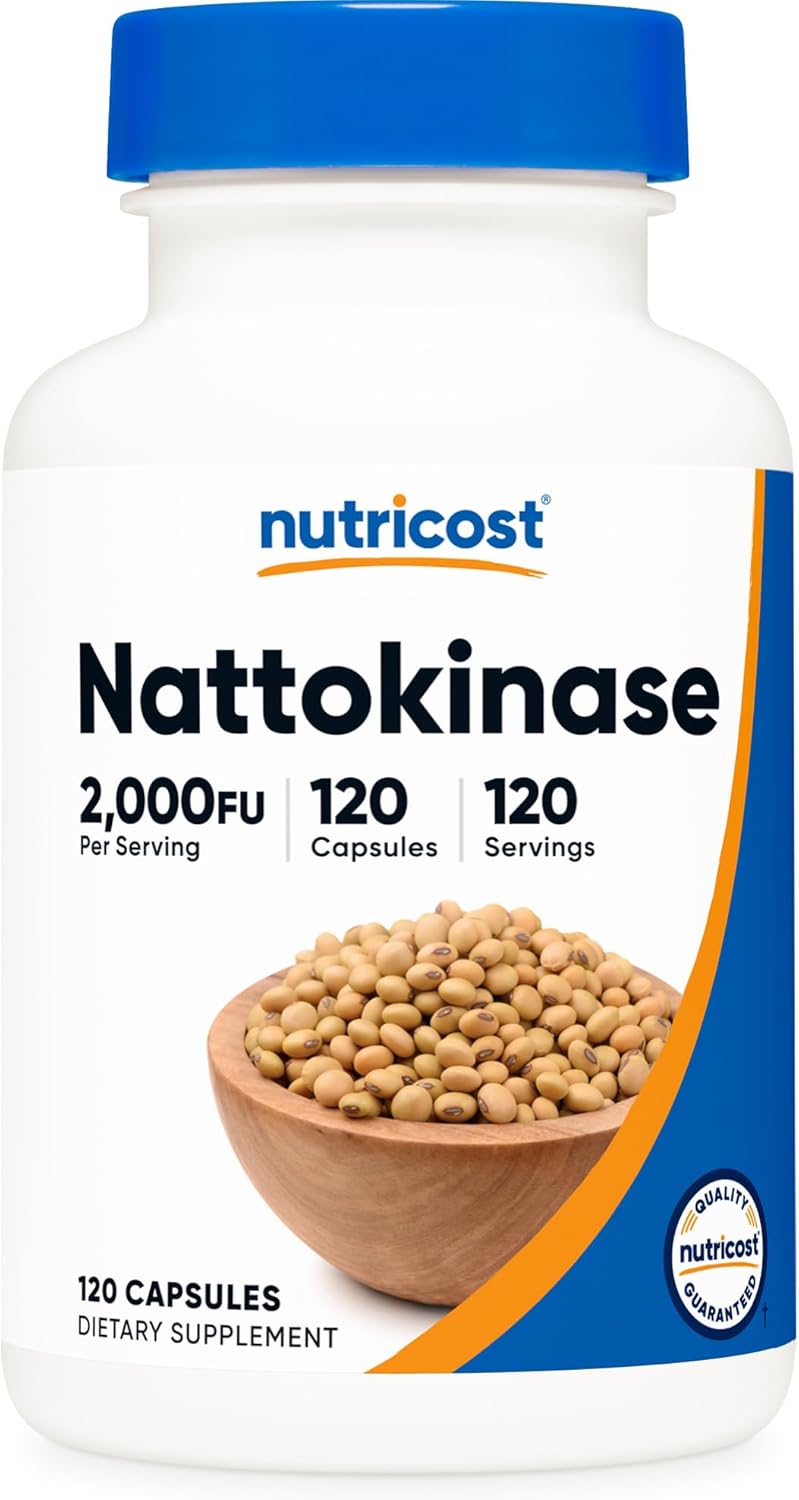
Nutricost Nattokinase 2000FU
2000 fibrinolytic units per capsule, third-party tested
$14.95
Check Price on Amazon →What These Supplements Cannot Do
No supplement corrects for a diet of processed food, uncontrolled blood pressure from lifestyle factors, or a sedentary lifestyle. CoQ10, omega-3, and nattokinase are adjuncts to a cardiovascular health strategy, not the strategy itself. People sometimes discover supplements and treat them like medication replacements. They're not.
If your LDL is 200, your blood pressure is 160/95, and you're 30 pounds overweight, you need dietary changes, possibly medications, and regular exercise before supplements will move the needle meaningfully. These three supplements work best when the foundation is already solid.
That said, for someone who eats reasonably well, exercises, and is looking to optimize their cardiovascular markers without prescription drugs, this stack costs about $86/month and addresses multiple mechanisms: energy production, inflammation, lipid profiles, and blood fluidity. That's a defensible spend for a serious supplement strategy.
Frequently Asked Questions
What is the single most important supplement for heart health?
Omega-3 fatty acids have the strongest and most consistent evidence base for cardiovascular benefit. EPA and DHA from fish oil or cod liver oil reduce triglycerides, lower inflammation, and improve endothelial function. If you can only take one supplement for heart health, high-quality omega-3 is the choice backed by the most evidence.
Can supplements replace heart medications?
No. Supplements are not substitutes for prescribed cardiovascular medications. They work best as additions to an already solid foundation of diet, exercise, and medical care. Always inform your physician of any supplements you're taking, particularly nattokinase if you're on blood thinners.
Is nattokinase safe to take with blood thinners?
Nattokinase has fibrinolytic activity and should not be combined with anticoagulants like warfarin or aspirin without physician guidance. The combination can potentiate bleeding risk. If you're on any anticoagulant therapy, discuss nattokinase with your doctor before starting.