CoQ10 was the first supplement our team agreed on unanimously. Once we understood what it actually does to mitochondrial function after 40 - and why the form matters enormously - the decision was obvious. If you're taking standard CoQ10 (ubiquinone), there's a good chance you're getting a fraction of the benefit you think you are.
Quick Answer
- Ubiquinol absorbs 3-8x better: multiple studies confirm higher blood levels at equivalent doses vs standard CoQ10
- Over 40, conversion declines: your body's ability to convert ubiquinone to the active ubiquinol form diminishes with age
- Statins deplete CoQ10: anyone on long-term statin therapy has especially strong reasons to supplement
- Take with fat: CoQ10 is fat-soluble; absorption drops significantly if taken on an empty stomach
The Chemistry Behind the Confusion
CoQ10 exists in two forms in your body: ubiquinone (the oxidized form) and ubiquinol (the reduced form). Think of them as the charged and discharged states of a battery. Ubiquinone is the discharged state; your body accepts it and converts it to ubiquinol before it can work. Ubiquinol is the active, antioxidant form that actually gets used in the mitochondrial electron transport chain.
When you take a standard CoQ10 supplement, you're taking ubiquinone. For a healthy 25-year-old, this conversion happens efficiently and supplementing with ubiquinone is perfectly adequate. The problem is that this conversion capacity declines significantly with age. Studies measuring the ratio of ubiquinol to total CoQ10 in blood show that in people over 50, the ratio can drop to 95% ubiquinol (meaning conversion is still happening, but the pool is smaller) and supplemental ubiquinone converts less efficiently than it did at 30.
Supplementing directly with ubiquinol bypasses that conversion step entirely. Multiple pharmacokinetic studies have shown that oral ubiquinol produces 3-8x higher plasma CoQ10 levels than equivalent doses of ubiquinone, with the gap widening in older subjects.
Why This Matters Especially for Statin Users
Statins, including atorvastatin (Lipitor), rosuvastatin (Crestor), and simvastatin, work by inhibiting HMG-CoA reductase, the rate-limiting enzyme in the mevalonate pathway. That pathway produces cholesterol, but it also produces CoQ10. Block the pathway to lower cholesterol and you simultaneously reduce your body's CoQ10 synthesis.
This is not controversial. Multiple studies confirm that plasma CoQ10 drops 25-50% in people on statins within weeks of starting the medication. Whether this depletion explains statin-associated myopathy (muscle pain and weakness), the most common side effect of statins, is still debated. But the logic is compelling: CoQ10 is essential for muscle cell energy production, statin-depleted muscles have less CoQ10, and supplementing CoQ10 reduces myopathy symptoms in at least some trials. For a supplement this safe and relatively inexpensive, it's a reasonable precaution.
Who Actually Needs the Upgrade to Ubiquinol
Not everyone needs to pay the premium for ubiquinol. Under 35 and healthy with no statin use? Standard ubiquinone at 100mg works fine. Your conversion capacity is strong. Over 40, on statins, have heart failure, chronic fatigue, or simply want the most bioavailable form? Ubiquinol is the clear choice. The price difference between quality ubiquinone and quality ubiquinol has narrowed significantly in recent years, making the upgrade decision easier.
One context where ubiquinol really shines: heart failure. The Q-SYMBIO trial, a multi-center randomized study, found that CoQ10 supplementation (300mg daily, though not ubiquinol specifically) significantly reduced cardiovascular events and mortality in heart failure patients over a 2-year follow-up. This was a landmark study. It doesn't mean CoQ10 replaces heart failure medication, but it adds to the argument for CoQ10 as a serious cardiac supplement, not just a wellness trend.
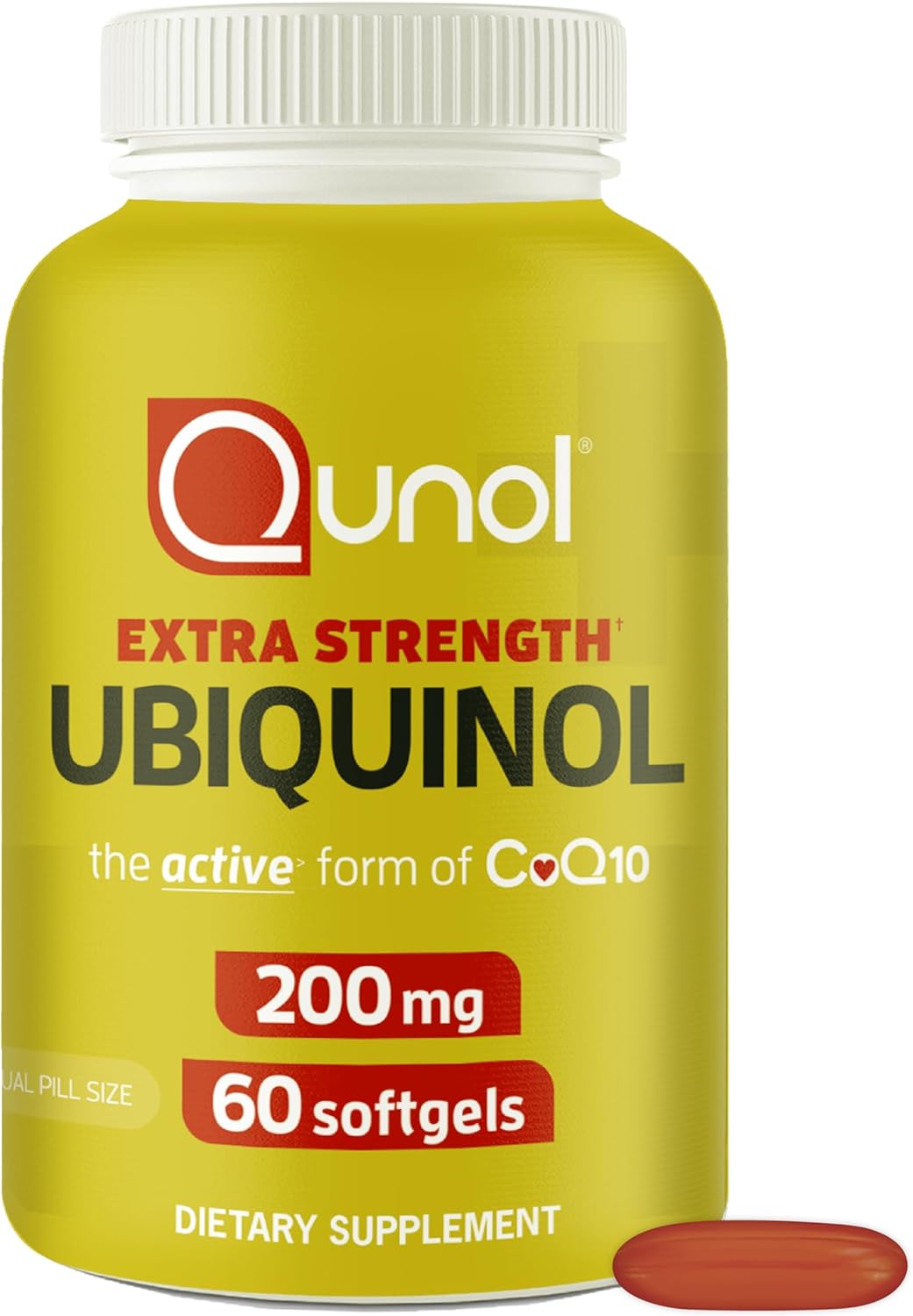
Qunol Ubiquinol CoQ10 200mg
Water and fat-soluble ubiquinol, enhanced absorption formula
$39.99
Check Price on Amazon →Why Qunol's Formula Specifically
Qunol uses a patented water and fat-soluble delivery system, which addresses CoQ10's primary absorption barrier: it's highly lipophilic (fat-loving), which makes it notoriously difficult to dissolve in the gut's watery environment. Standard oil-based softgels help, but Qunol's dual-solubility formulation is one of the better-studied approaches to this problem. A published bioavailability study found that Qunol's CoQ10 formula absorbed 3x better than a leading competitor. For the ubiquinol form at 200mg, that's meaningful.
At $39.99 for a 30-serving supply, it's not cheap. But compare it to the cost of a month of statin therapy plus the downstream medical costs of mitochondrial depletion, and the calculus shifts. This is one supplement category where the quality of formulation genuinely determines whether you're getting value or just expensive urine.
Dosing: What the Evidence Supports
100-200mg of ubiquinol daily covers most people's needs. People with heart failure, heavy statin use, or severe fatigue sometimes benefit from 300mg. Always take it with a fat-containing meal. Avocado, eggs, nuts, or any cooking fat works. Taking CoQ10 on an empty stomach or with a fat-free meal can reduce absorption by 50% or more, which is a significant waste at these price points.
Give it 6-8 weeks minimum. CoQ10 builds up slowly in tissues and the effects on energy and exercise tolerance take time to manifest. Some people notice improvement within 2-3 weeks; others need the full 8 weeks. If you have access to blood testing, a baseline and follow-up plasma CoQ10 test (usually $60-80 through functional medicine labs) removes the guesswork.
Frequently Asked Questions
Is ubiquinol the same as CoQ10?
Ubiquinol is the reduced, active form of CoQ10. Ubiquinone is the oxidized form. Your body converts ubiquinone to ubiquinol before using it. Supplementing directly with ubiquinol skips that conversion step, which is why it generally absorbs better, especially in people over 40.
What dose of ubiquinol should we take?
100-200mg of ubiquinol daily is the most commonly studied dose. People on statins or with cardiac concerns often use 200-300mg. Because ubiquinol absorbs better than ubiquinone, you don't need to match ubiquinone doses milligram for milligram.
Should people on statins take CoQ10?
Statins inhibit the mevalonate pathway, which produces both cholesterol and CoQ10. Blood CoQ10 levels drop measurably in people taking statins. While not all trials show symptom improvement, many cardiologists recommend 100-200mg of CoQ10 or ubiquinol as a prudent measure for anyone on long-term statin therapy.