We've spent years cutting through the noise in the supplement industry - testing, tracking bloodwork, reading the actual studies. What we keep coming back to is that most of the longevity supplement landscape is either unproven or massively underdosed. This guide covers the six things that passed our test: strong evidence, meaningful doses, and something we'd each take regardless of whether we were writing about it.
Quick Answer: The Core Longevity Stack
- D3 + K2 - the foundation. Fix the deficiency that most adults don't know they have.
- Magnesium - sleep, heart, metabolism. Most people run low on this.
- NAD+ precursor (NR) - cellular energy that drops 50% by age 50.
- TMG - methylation support, pairs directly with NR.
- Urolithin A (Mitopure) - mitochondrial cleanup. Only supplement with Phase 1 clinical trial data on this mechanism.
- Pterostilbene - sirtuin activator, better absorbed than Resveratrol.
Why Most People's Supplement Stacks Are Wrong
The most common mistake we see is people spending $80/month on exotic adaptogens and ignoring the fact that they're deficient in Vitamin D. Before any longevity stack makes sense, you need to close the obvious gaps: D3, K2, and Magnesium. These three are cheap, well-studied, and address real deficiencies that affect most adults in modern environments.
Only after that foundation is solid does it make sense to layer in the NAD+ precursors, mitophagy triggers, and polyphenols. In that order.
1. Vitamin D3 + K2: The Non-Negotiable Foundation
Roughly 42% of American adults are Vitamin D deficient, and most of them don't know it. The symptoms of deficiency look like a lot of other things: low energy, poor mood, slow recovery from illness. It's easy to miss.
What D3 actually does at adequate levels: it upregulates over 1,000 genes involved in immune function, calcium metabolism, and cellular health. More relevant to longevity research, low D3 is consistently associated with higher all-cause mortality in large population studies.
The K2 piece matters because D3 increases calcium absorption. Without K2 (specifically MK-7), that calcium can deposit in arteries rather than bones. That's the "calcium paradox" - why taking D3 alone for years without K2 can actually increase cardiovascular risk. They need to be taken together. We'll go deeper on this in the dedicated D3+K2 guide.
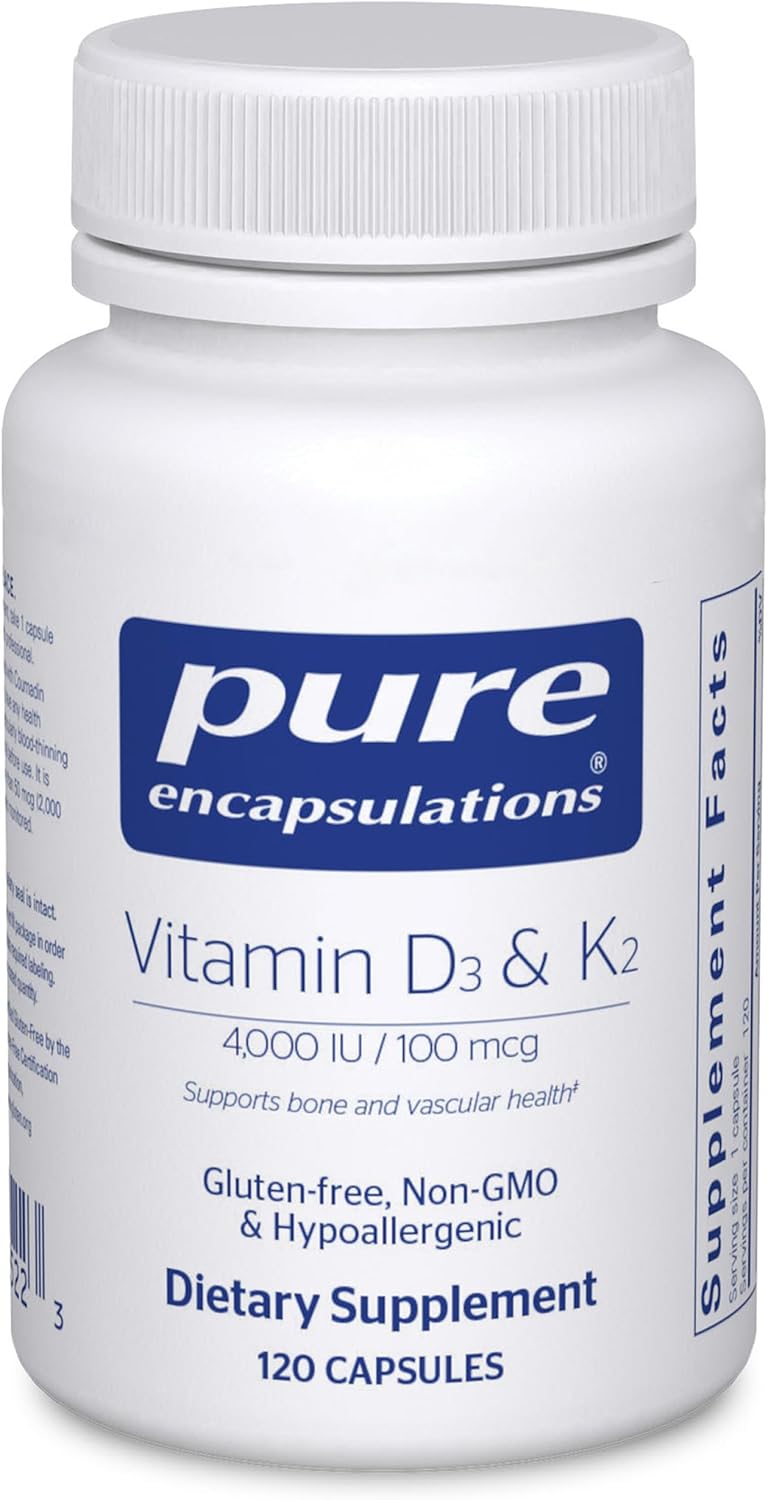
Pure Encapsulations D3 & K2
5,000 IU D3 + 180mcg K2 (MK-7) · 60 capsules
$35.50
Check Price on Amazon →2. Magnesium: The Underestimated Heavy Hitter
Magnesium is involved in over 300 enzymatic reactions in the body. Sleep quality, blood pressure, insulin sensitivity, DNA repair, muscle recovery - the list is genuinely that broad. Surveys suggest that around 50% of Americans don't get enough through diet alone, and the problem gets worse with age as absorption efficiency drops.
For longevity specifically, low magnesium is linked to accelerated telomere shortening, increased systemic inflammation, and higher cardiovascular risk. None of those are things you want to ignore at 40 or 50.
The form matters. Magnesium oxide is cheap and mostly useless - it has terrible absorption and will give you digestive issues before it helps you. Citrate is well-absorbed and is our daily driver. Glycinate is the sleep-focused option. We cover the comparison in detail in the magnesium form guide.
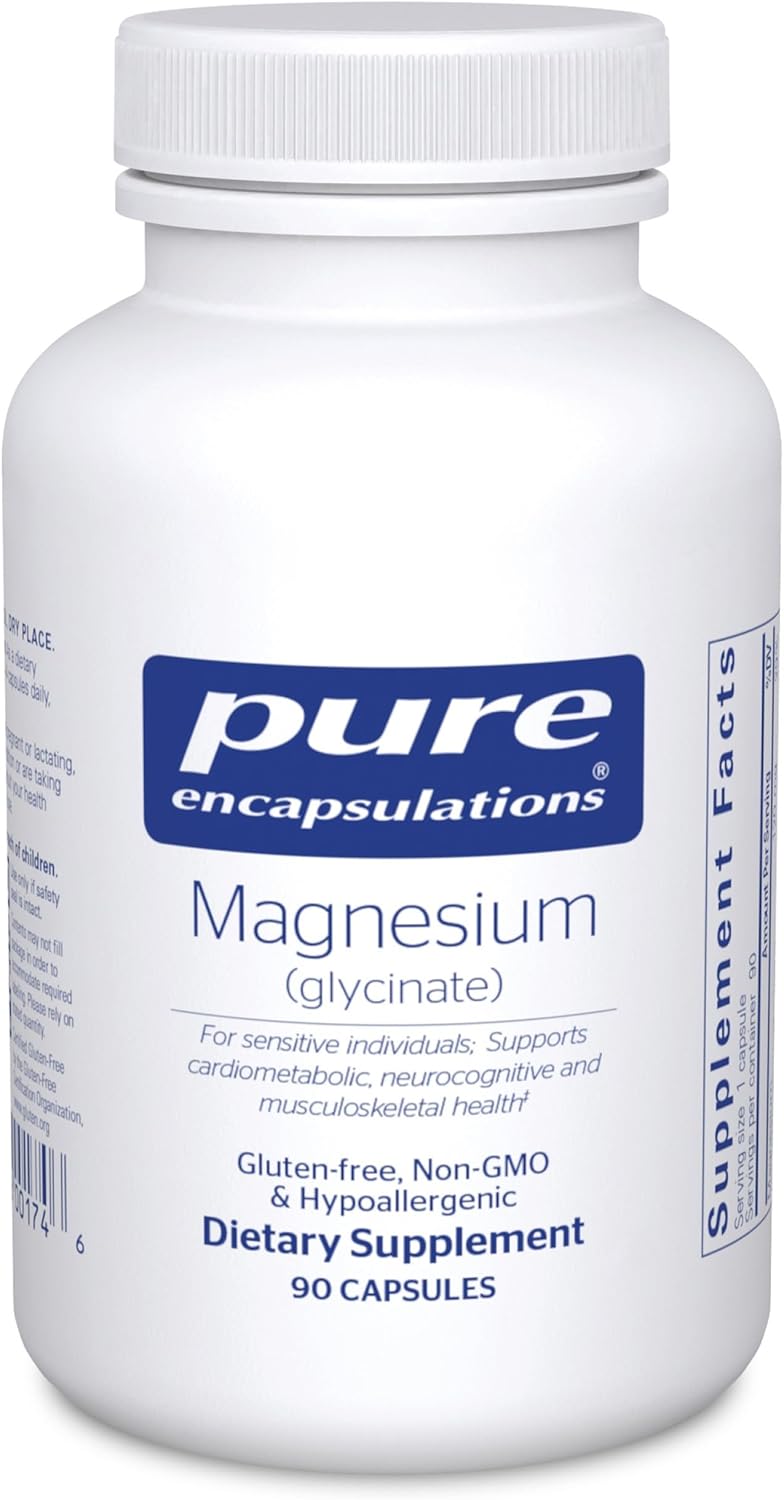
Pure Encapsulations Magnesium Citrate
150mg elemental magnesium · 180 capsules
$27.00
Check Price on Amazon →3. NAD+ Precursors (NR): Cellular Energy You Can Actually Feel
NAD+ is a coenzyme found in every cell in your body. It powers the mitochondria, activates the sirtuins (your longevity proteins), and drives DNA repair. The problem: NAD+ levels drop by roughly 50% between your twenties and fifties. That decline correlates closely with the fatigue, slower recovery, and reduced cognitive sharpness that most people attribute to "just getting older."
NR (Nicotinamide Riboside) is the best-studied NAD+ precursor. It crosses into cells efficiently and raises systemic NAD+ levels measurably within weeks. The research is human trial data now, not just mouse studies. We noticed a genuine difference in daily energy and recovery within about six weeks of starting NR - nothing dramatic, but the kind of steady improvement that compounds.
One important note: NR (and NMN) consumes methyl groups as a metabolic byproduct. If you're running NAD+ precursors, you need to pair them with TMG to prevent homocysteine from rising. That's not optional - more on that in the next section.
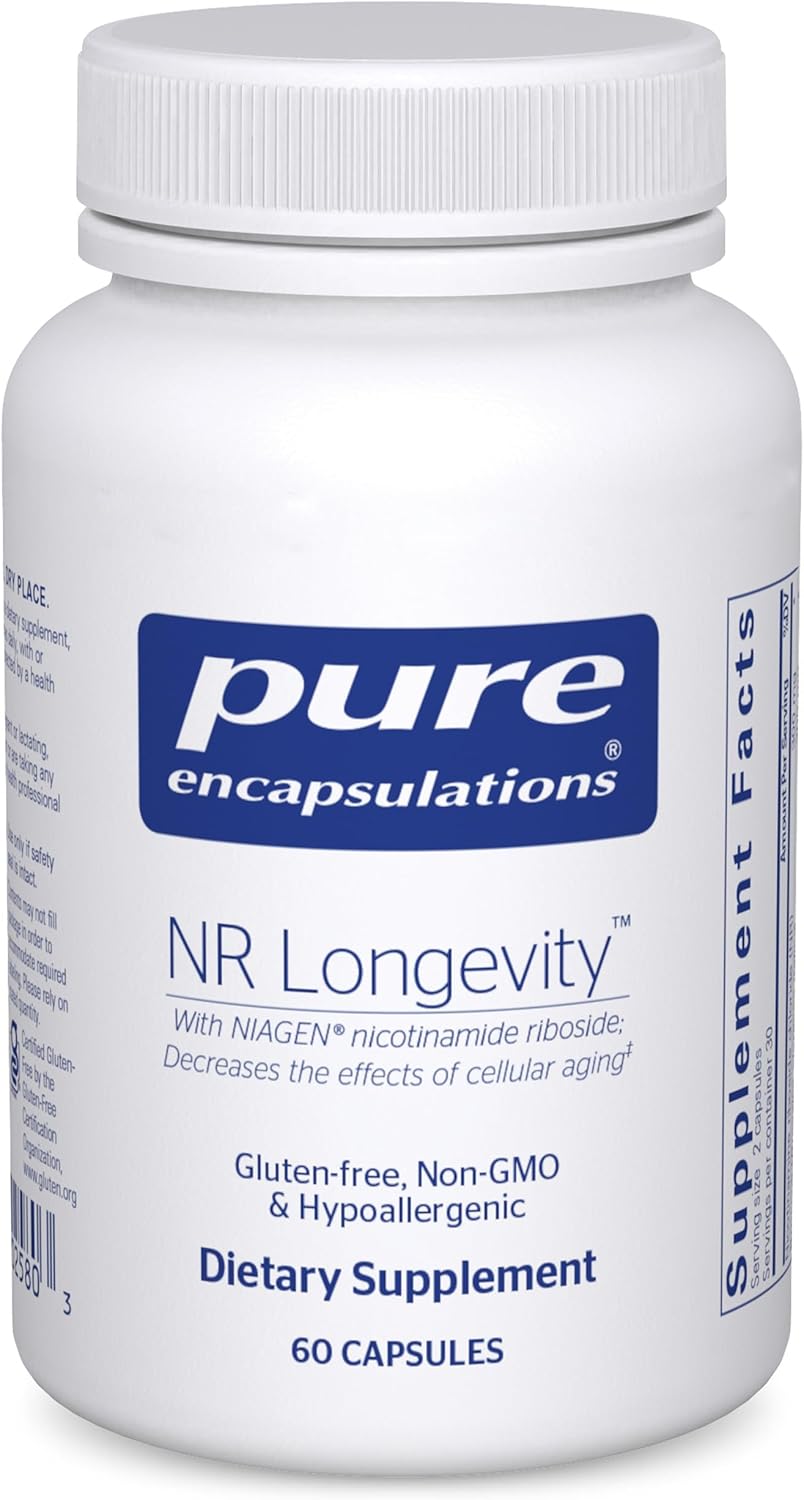
Pure Encapsulations NR Longevity NAD+
Nicotinamide Riboside · 60 capsules
$65.00
Check Price on Amazon →4. TMG: The Methylation Pair for NAD+
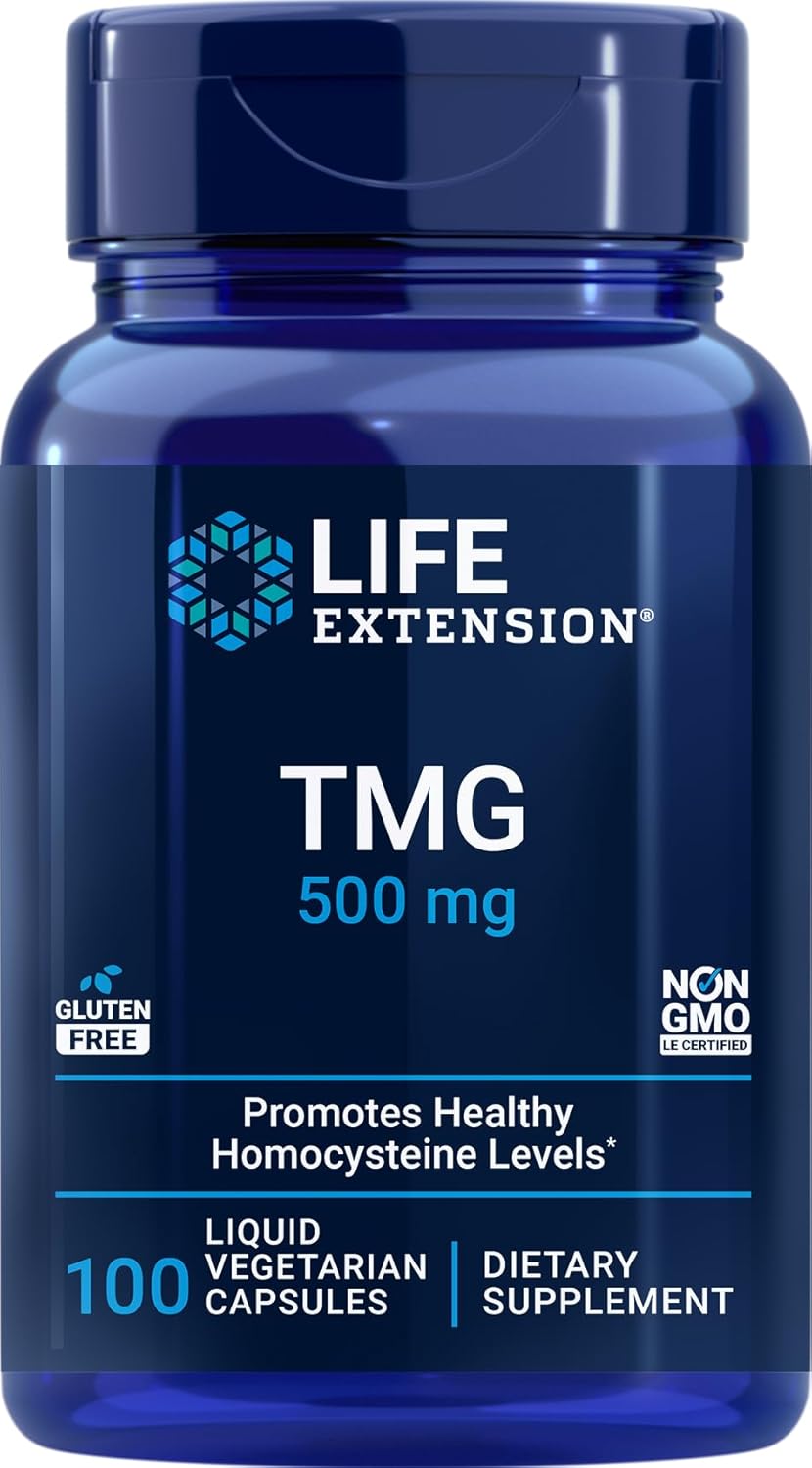
Trimethylglycine (TMG), also called Betaine, is one of those supplements that gets overlooked because it doesn't have a dramatic story. But if you're taking NAD+ precursors, it's not optional.
Here's the biology: NR and NMN raise NAD+ by consuming methyl groups in the process. Methyl groups are critical for DNA methylation, neurotransmitter production, and clearing homocysteine from the blood. If you deplete them faster than you're replacing them, you can raise homocysteine levels, which is a cardiovascular risk factor. TMG donates methyl groups and replenishes what NR consumes.
Beyond pairing with NR, TMG has its own evidence for liver health, gut integrity, and cardiovascular protection through homocysteine reduction. It's $35/month and the pairing argument alone makes it a clear decision.
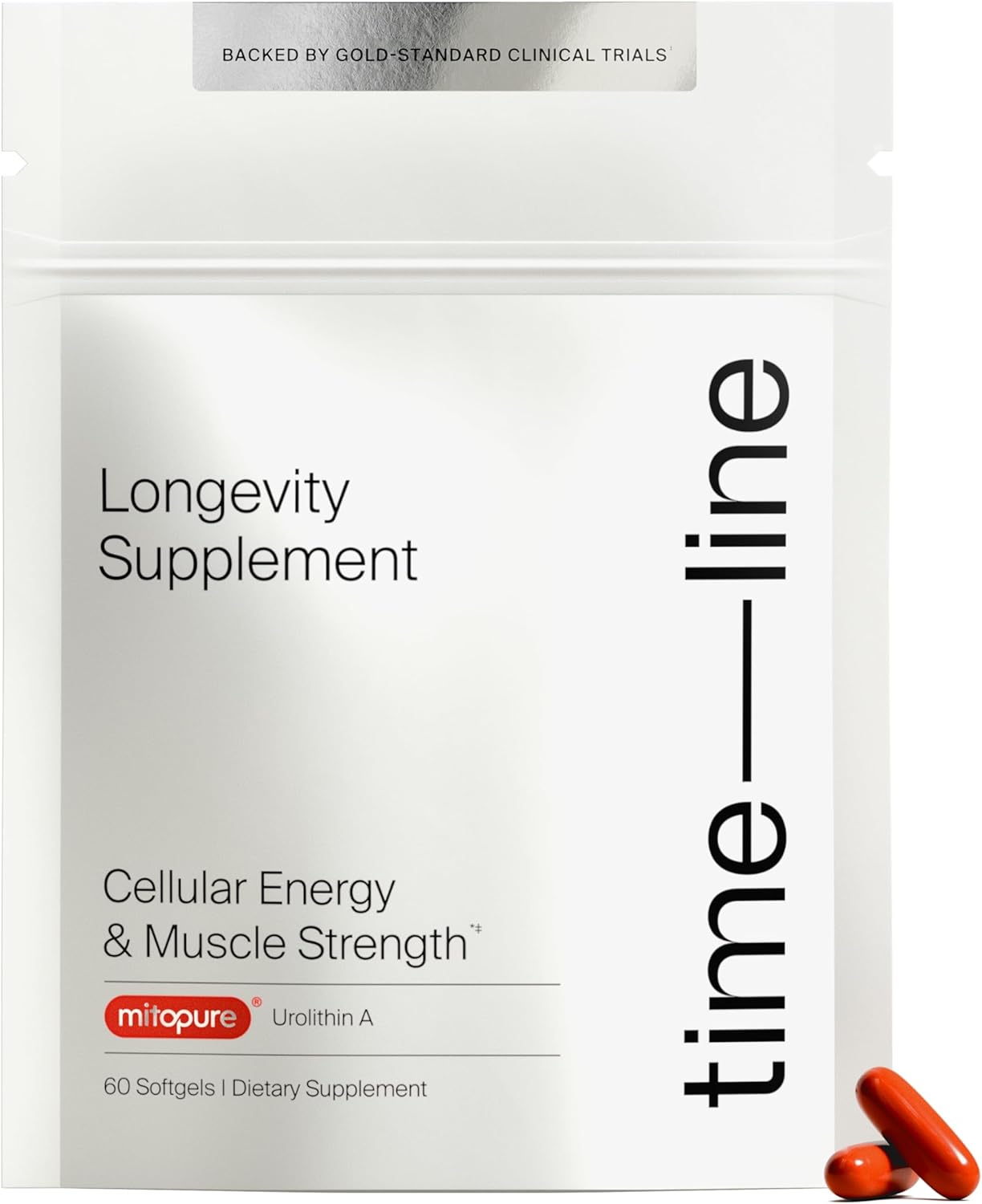
5. Urolithin A (Mitopure): The Mitochondrial Cleanup Crew
Urolithin A is the compound your gut bacteria make when you eat pomegranates and walnuts. The problem is that only about 40% of people can actually produce it in meaningful amounts - gut microbiome dependent. Timeline's Mitopure bypasses that variability entirely.
What it does is trigger mitophagy: the process by which your cells identify and break down dysfunctional mitochondria. Damaged mitochondria accumulate with age and are a key driver of the energy decline and inflammation that characterize aging at the cellular level. Urolithin A is the only supplement we've found with actual Phase 1 human clinical trial data showing improved mitochondrial function in skeletal muscle.
At $60/month it's the most expensive item on this list, and we want to be honest: it's the most cutting-edge pick here. The science is strong and plausible, but this is the supplement where you're paying a premium for early access to legitimate longevity research rather than decades of clinical validation. Our take: worth it if your budget allows, but prioritize the first four if you're being selective.
6. Pterostilbene: The Better Resveratrol
Resveratrol has been famous in longevity circles for two decades. The problem with Resveratrol is absorption - it has about 1% oral bioavailability. Most of what you swallow never makes it into circulation.
Pterostilbene is Resveratrol's structural cousin, found in blueberries. It's methylated, which makes it dramatically more bioavailable (roughly 80% absorbed) and gives it a longer half-life in the body. It activates the same sirtuin and AMPK pathways, crosses the blood-brain barrier better, and has specific data on LDL reduction and cognitive protection that Resveratrol lacks.
At $22/month, it's the best value on this advanced list. We pair it with Quercetin, which has synergistic effects on cellular senescence (clearing out old damaged cells) and bioavailability of both compounds improves when taken together.
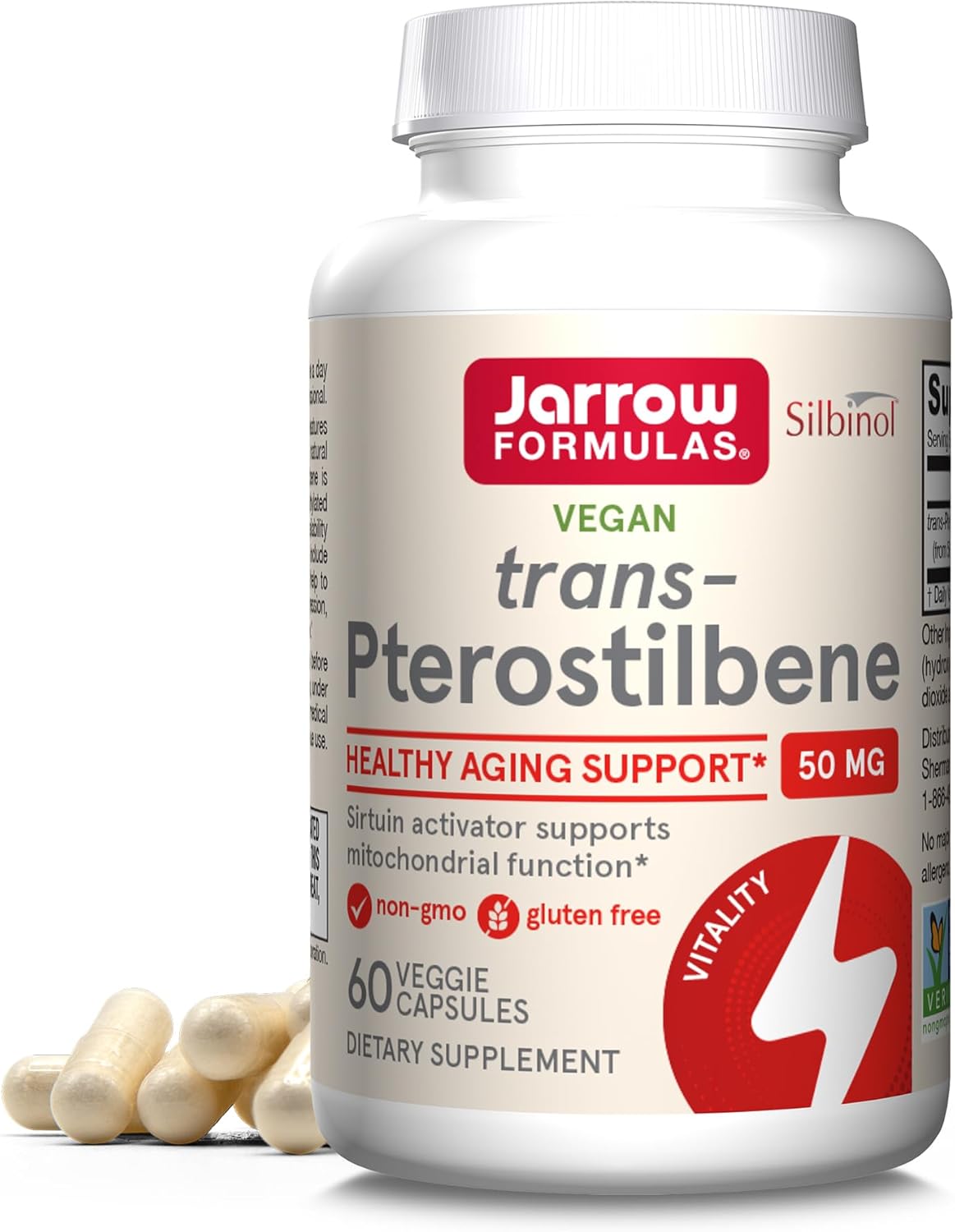
Jarrow Formulas trans-Pterostilbene 50mg
Silbinol branded · 60 capsules
$21.99
Check Price on Amazon →Stack Summary + Monthly Cost
| Supplement | Role | Monthly Cost |
|---|---|---|
| D3 + K2 | Bone, cardiovascular, immune | ~$35 |
| Magnesium Citrate | Sleep, metabolism, 300+ enzymes | ~$14 |
| NR (NAD+ precursor) | Cellular energy, DNA repair, sirtuins | ~$65 |
| TMG | Methylation, pairs with NR | ~$10 |
| Urolithin A (Mitopure) | Mitophagy, mitochondrial health | ~$99 |
| Pterostilbene | Sirtuin activation, LDL, cognition | ~$22 |
| Full stack total | ~$250/month | |
If $225/month is too much right now, start with D3+K2, Magnesium, and TMG. That's around $88/month and addresses the deficiencies and methylation baseline. Add NR next. Mitopure and Pterostilbene are the last tier to add.
What This Stack Won't Do
We want to be straight about this: supplements work best as optimization on top of the fundamentals. If you're sleeping 5 hours, eating processed food, and not moving, no supplement stack will rescue that. These are precision tools, not substitutes for basics. The stack above compounds on good habits. It doesn't replace them.
None of these are medical advice. Run bloodwork before starting D3 at high doses and after 3 months to dial in your levels. The target for most people is 50-70 ng/mL on the serum 25(OH)D test.
Frequently Asked Questions
What is the best vitamin stack for longevity?
The strongest evidence points to: Vitamin D3 with K2, Magnesium, NAD+ precursors (NR or NMN), TMG for methylation, Urolithin A for mitophagy, and a polyphenol pair like Pterostilbene and Quercetin for sirtuin activation.
How much should we spend on longevity supplements?
A solid core stack runs around $180 to $250 per month. A leaner entry stack of D3+K2, Magnesium, and TMG costs around $88/month. Add NAD+ precursors and Urolithin A as budget allows.
Do longevity supplements actually work?
Some have better evidence than others. D3, K2, and Magnesium have decades of clinical data. NR has solid human trial data for energy and cellular repair. Urolithin A (Mitopure) has Phase 1 human trial data on mitochondrial function. None replace sleep, diet, and exercise, but they compound on those habits.