Sleep is the one variable our team kept coming back to when we looked at what actually moved our health markers. Not supplements, not diet tweaks - sleep quality. So we started taking it as seriously as any other protocol. This is what we actually use, what the research supports, and what's made a measurable difference for us.
Quick Answer
- Magnesium is first: corrects the most common deficiency underlying poor sleep; works through GABA receptor modulation
- Glycine at 3g: reduces body temperature and anxiety to improve sleep onset and next-day cognitive function
- GABA supplementation: modest but real effects on sleep onset; works for some people, not others
- L-glutamine: supports gut repair and GABA precursor, useful for people with gut-related sleep disruption
Magnesium: The Deficiency Fix That Changes Sleep
Over 50% of Americans don't get the recommended daily intake of magnesium. Magnesium is involved in over 300 enzymatic reactions, but for sleep specifically, its role in the nervous system is paramount. Magnesium binds to and activates GABA-A receptors, promoting the inhibitory neurotransmission that enables the brain to calm down for sleep. It also antagonizes NMDA receptors, which are involved in excitatory neurotransmission. Low magnesium means more neurological excitability, which is exactly why magnesium-deficient people often report "racing thoughts" and difficulty relaxing into sleep.
The citrate form is our preference for sleep because it's well absorbed and doesn't cause the digestive issues that magnesium oxide commonly produces. Taking 300-400mg of elemental magnesium (as magnesium citrate) 30-60 minutes before bed is the standard recommendation. The effect on sleep is often noticeable within the first week for people who were deficient, with a fuller effect developing over 2-4 weeks as tissue magnesium levels rise.
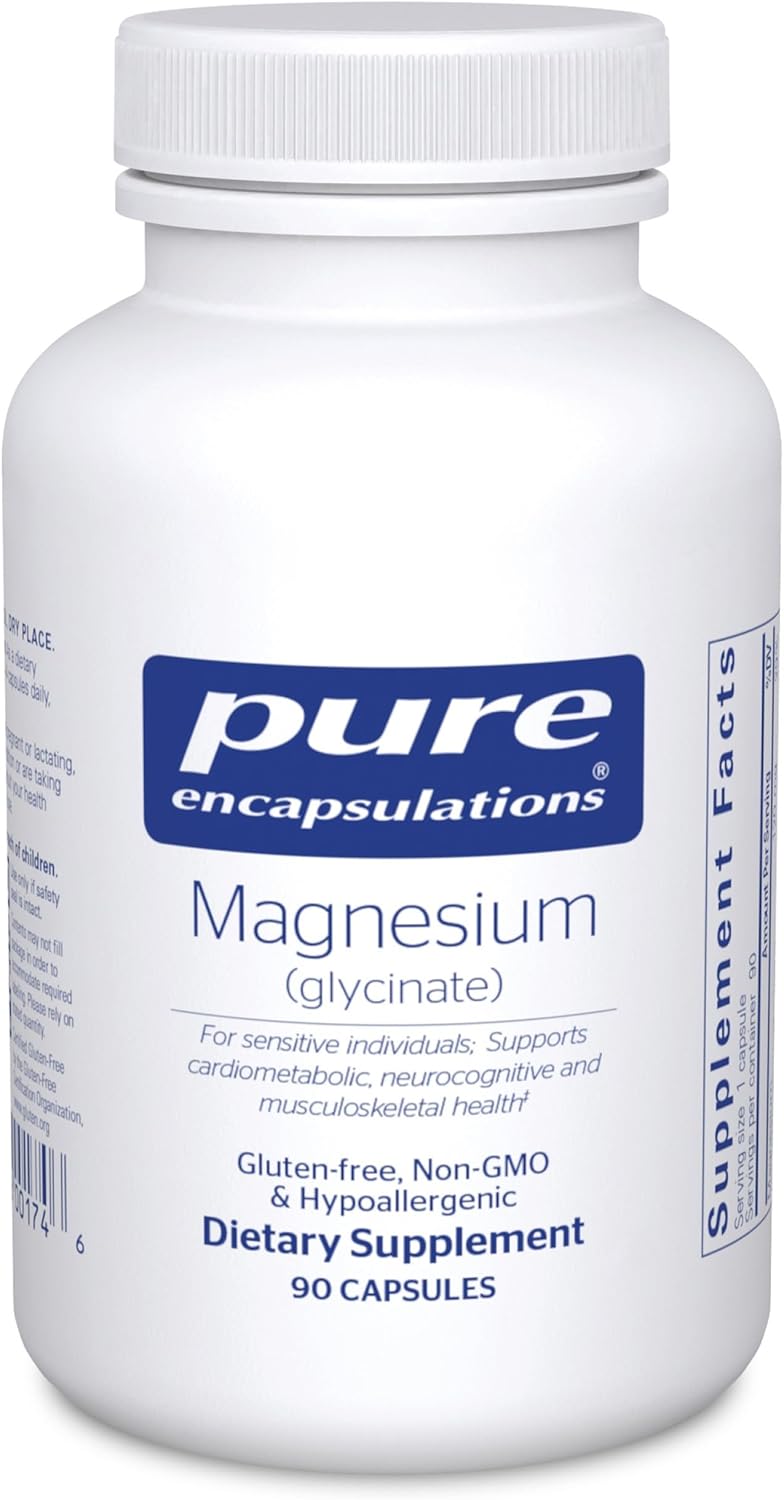
Pure Encapsulations Magnesium Citrate
150mg elemental magnesium per capsule, highly bioavailable citrate form
$27.00
Check Price on Amazon →Glycine: The Amino Acid That Lowers Body Temperature and Quiets the Mind
Glycine is a non-essential amino acid with specific sleep effects that operate through distinct mechanisms from magnesium. It lowers body core temperature by dilating peripheral blood vessels, which is one of the key signals that triggers sleep onset. It also acts as an inhibitory neurotransmitter in the spinal cord and brainstem through glycine receptors, reducing spinal cord excitability.
A 2012 randomized, double-blind, placebo-controlled trial in Neuropsychopharmacology tested 3g of glycine before bed in subjects with chronic sleep quality complaints. The glycine group reported significantly improved sleep quality, reduced fatigue the next day, and better performance on psychomotor tasks compared to placebo. A follow-up study specifically measuring polysomnography (sleep architecture) found glycine increased slow-wave sleep time, which is the most restorative sleep stage. These results have been replicated in subsequent studies.
Glycine at 3g is cheap and available as a powder or in collagen supplements. It has a slightly sweet taste, which makes it easy to take dissolved in water before bed. We take 3g of glycine powder in warm water 30 minutes before sleep; it's one of the most reliable sleep improvements we've found.
L-Glutamine: The Gut-Sleep Connection
The relationship between gut health and sleep quality is well documented but poorly understood by most people. Disruptions in gut barrier integrity, dysbiosis, and gut inflammation all correlate with sleep disruption through the gut-brain axis. L-glutamine is the primary fuel source for intestinal epithelial cells and is essential for maintaining gut barrier integrity. When the gut lining is compromised, bacterial endotoxins (LPS) can cross into the bloodstream and trigger systemic inflammation that disrupts sleep.
L-glutamine also serves as a precursor to GABA in the glutamate-GABA-glutamine cycle in the brain. Taking glutamine before bed may provide substrate for increased GABA synthesis, though this is less direct than the gut support mechanism. For people whose sleep issues correlate with digestive symptoms, stress-induced gut sensitivity, or exercise-induced gut damage (common in endurance athletes), L-glutamine at 5g before bed addresses a root cause that magnesium alone doesn't touch.
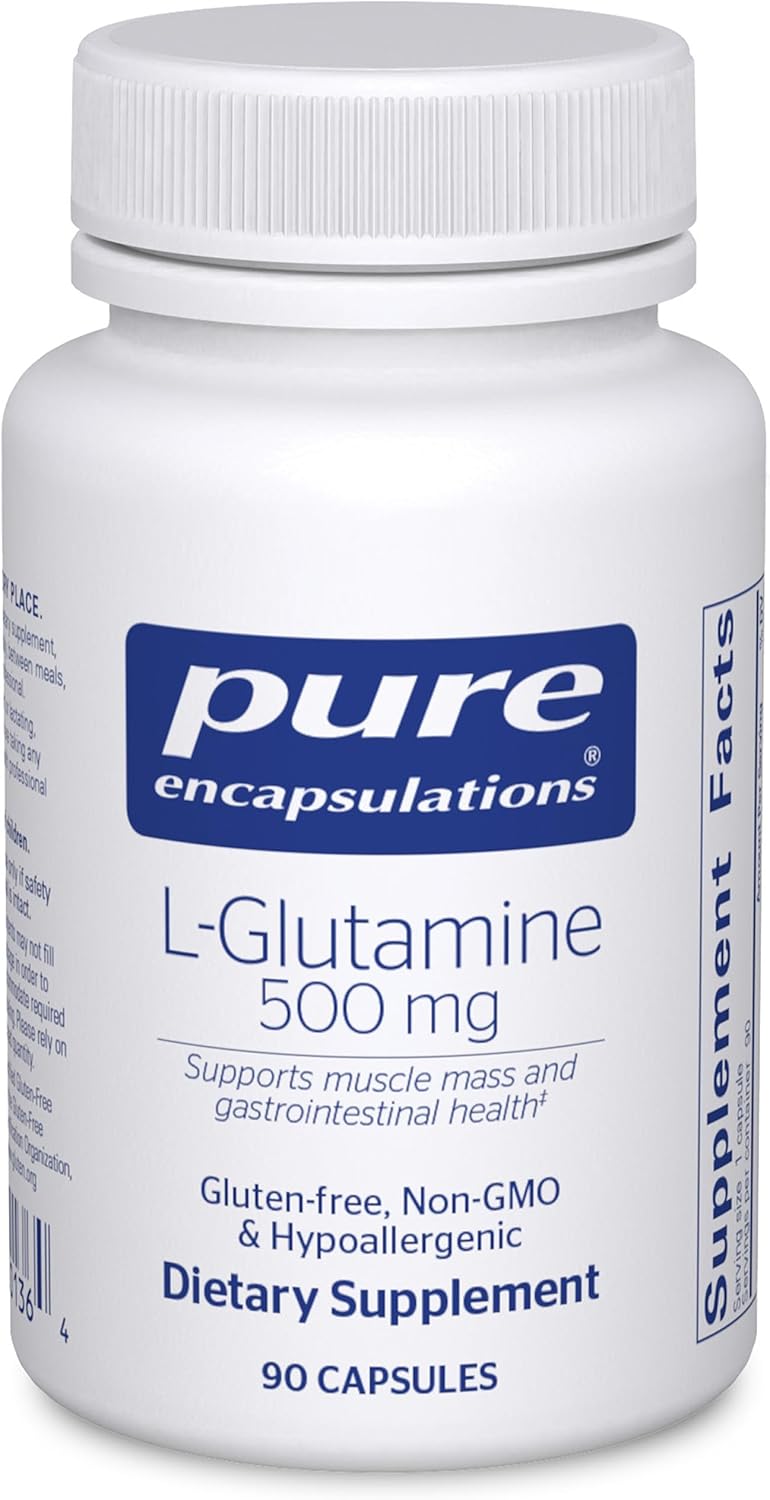
Pure Encapsulations L-Glutamine 500mg
500mg L-glutamine per capsule, hypoallergenic, pharmaceutical grade
$24.50
Check Price on Amazon →GABA: Modest but Real Sleep Onset Effects
GABA (gamma-aminobutyric acid) is the brain's primary inhibitory neurotransmitter. The question about GABA supplementation has always been whether oral GABA actually reaches the brain, given the blood-brain barrier. Emerging research suggests that while GABA crosses the barrier poorly, some fraction does cross and it may also work peripherally through the enteric nervous system. A 2018 meta-analysis found that GABA supplementation had significant but modest effects on sleep latency (time to fall asleep) across multiple trials.
The effect is smaller than magnesium for most people, but for those who find magnesium insufficient, GABA at 100-300mg provides a complementary mechanism. Pharmaceutical GABA analogs like phenibut work dramatically better, but carry addiction and withdrawal risks. Supplemental GABA is not in that category; its modest effect comes with essentially no safety concerns at normal doses.
Building a Sleep Stack That Makes Sense
The minimum effective sleep stack: magnesium citrate 300-400mg plus glycine 3g, taken 30-60 minutes before bed. This costs about $35-45 per month, addresses multiple mechanisms, and has solid clinical evidence. For people with gut-related sleep disruption or high training loads, adding L-glutamine at 5g brings the total to about $65/month. GABA at 200mg can be added if the first two aren't sufficient, but most people won't need it if they're actually deficient in magnesium (which more than half the population is).
The important caveat: supplements address biochemical factors in sleep. They don't fix the major behavioral disruptors: alcohol within 3 hours of bed, screens in the bedroom, irregular sleep timing, caffeine after 2pm. Magnesium citrate won't save a 1am bedtime with a glass of wine and a phone screen at your side.
Frequently Asked Questions
What is the best supplement for falling asleep faster?
Magnesium (glycinate or citrate) is the most broadly effective supplement for sleep onset and quality. It activates GABA receptors and reduces the neurological excitability that makes falling asleep difficult. Glycine at 3g is also well-studied for reducing sleep latency. Both work through different mechanisms and can be combined safely.
Does L-glutamine help with sleep?
L-glutamine serves as a precursor to GABA and supports gut lining integrity, which affects sleep through the gut-brain axis. It helps with sleep quality, particularly for people whose sleep issues are related to anxiety, gut health, or high training loads that disrupt the gut barrier.
Is melatonin better than magnesium for sleep?
They work differently. Melatonin is a circadian signal most useful for jet lag, shift work, and delayed sleep phase. Magnesium improves sleep quality and depth through GABA receptor modulation. For most people with general sleep quality issues (not timing issues), magnesium is more useful as a foundation.