The women on our team started tracking bloodwork more seriously in their late 30s and early 40s - partly out of curiosity, partly because the changes we were reading about in the research were already showing up in subtle ways. What we found shaped this stack: specific deficiencies that aren't optional to address if long-term health is the goal.
Quick Answer
- D3+K2: bone density protection and immune function, both under particular pressure after 40
- Magnesium citrate: sleep quality, anxiety reduction, and muscle function depend on it
- NAD+ precursor: cellular energy decline is real in midlife; NR addresses the root cause
- Liposomal glutathione: master antioxidant for oxidative stress defense and liver detox support
D3 + K2: The Bone Density Protection You Can't Ignore After 40
Bone density loss accelerates substantially in women beginning in perimenopause, typically around the early to mid-40s, and increases further after menopause as estrogen declines. Estrogen normally suppresses osteoclast activity (bone breakdown); without it, the rate of bone loss increases. Vitamin D is essential for calcium absorption from the gut, and without adequate D3, even a high-calcium diet doesn't translate into maintained bone density.
The K2 component here is particularly important for women. K2 (specifically MK-7) activates osteocalcin, a protein that binds calcium into bone matrix. Without K2, the calcium mobilized by vitamin D has no efficient pathway into bone and can instead deposit in soft tissues. Multiple trials have shown that K2 supplementation independently reduces bone loss in postmenopausal women, and combining it with D3 produces better outcomes than D3 alone.
Targeting serum 25(OH)D levels of 50-70 ng/mL typically requires 4,000-5,000 IU of D3 daily for most women, particularly in northern latitudes or with limited sun exposure. Testing first is ideal since individual variation in D3 conversion is significant.
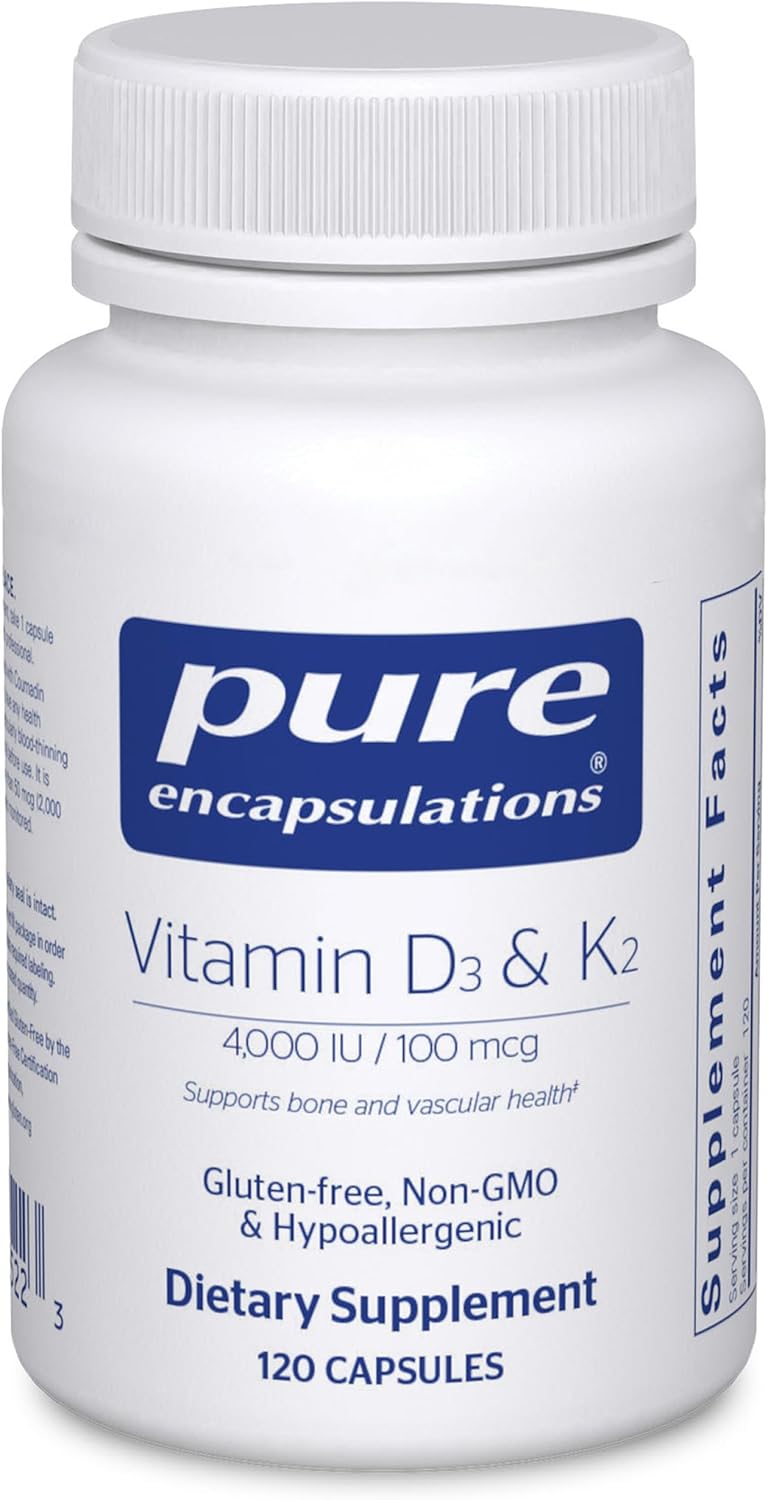
Pure Encapsulations D3 & K2
5,000 IU D3 with 180mcg MK-7 K2, hypoallergenic capsule
$35.50
Check Price on Amazon →Magnesium Citrate: Sleep and Stress Management Through Biochemistry
Magnesium is involved in over 300 enzymatic reactions, but its most tangible role for women in their 40s is in the nervous system. Magnesium binds to GABA receptors and promotes the calm, inhibitory neurotransmitter activity that's essential for sleep onset and quality. It also modulates the HPA axis, reducing cortisol response to stress. For women experiencing the sleep disruption and heightened anxiety that often accompanies perimenopause, magnesium deficiency is frequently a contributing factor that gets attributed entirely to hormones.
The citrate form absorbs well and is gentle on digestion. Taking 300-400mg of elemental magnesium (as magnesium citrate) 30-60 minutes before bed targets sleep specifically. Some women find that magnesium glycinate is even gentler on digestion; both forms work well.
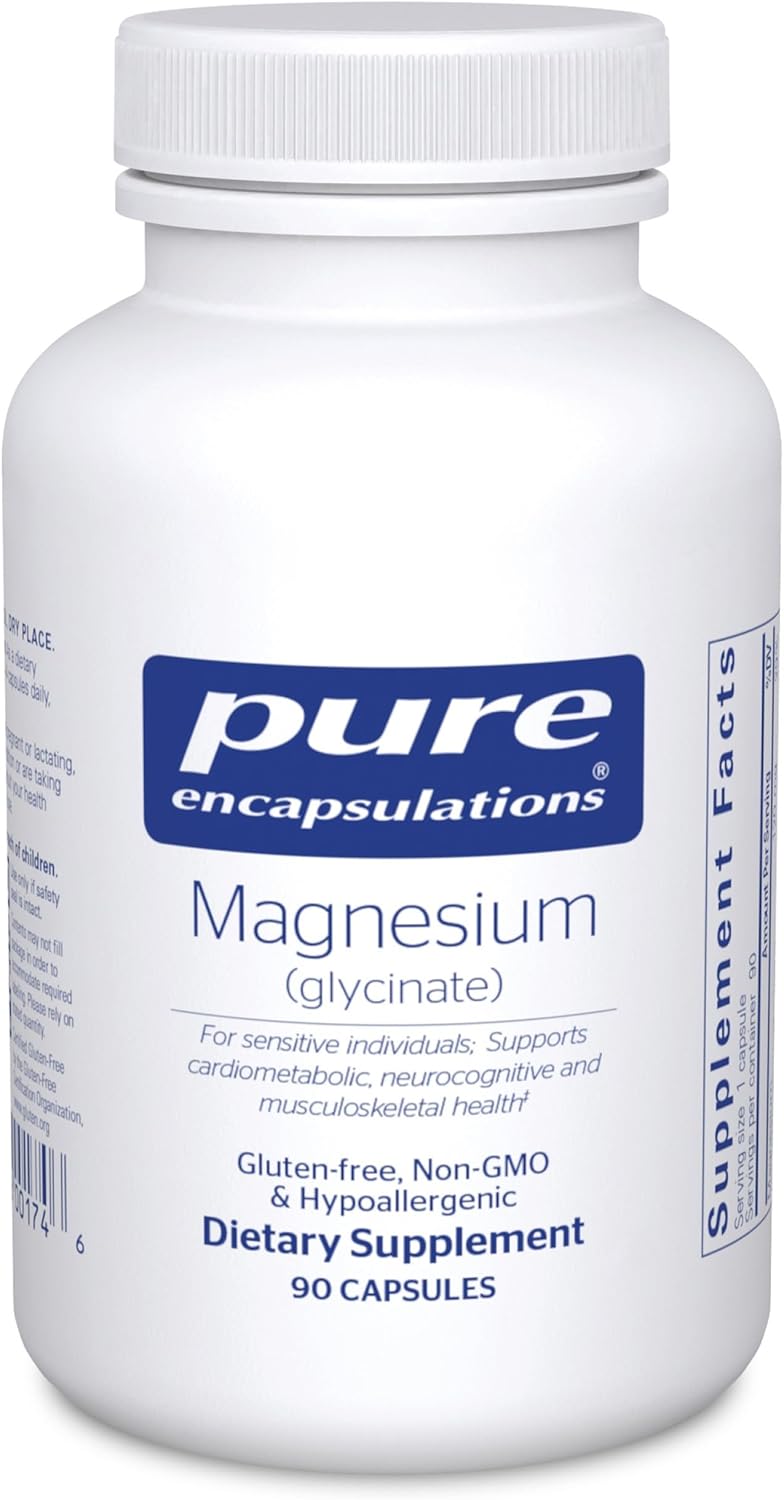
Pure Encapsulations Magnesium Citrate
150mg elemental magnesium per capsule, citrate form, no fillers
$27.00
Check Price on Amazon →NAD+ Precursors: Restoring the Cellular Energy Lost in Midlife
NAD+ decline isn't gender-specific, but the perimenopausal period adds insult to injury. The physiological stress of hormonal fluctuation, disrupted sleep, and increased inflammation accelerates the metabolic changes that NAD+ depletion drives. Fatigue that feels disproportionate to activity level, brain fog, and reduced exercise tolerance all map onto what cellular energy depletion looks like biochemically.
NR at 300-500mg daily, paired with TMG at 500mg, is the protocol we'd recommend. The improvement in energy and cognitive clarity is more noticeable for women whose fatigue has a mitochondrial component. It doesn't address hormonal fluctuation directly, and it's not a substitute for discussing hormone therapy with a physician if symptoms are significant. But as an adjunct that addresses a real, correctable biochemical deficit, it's well-supported.
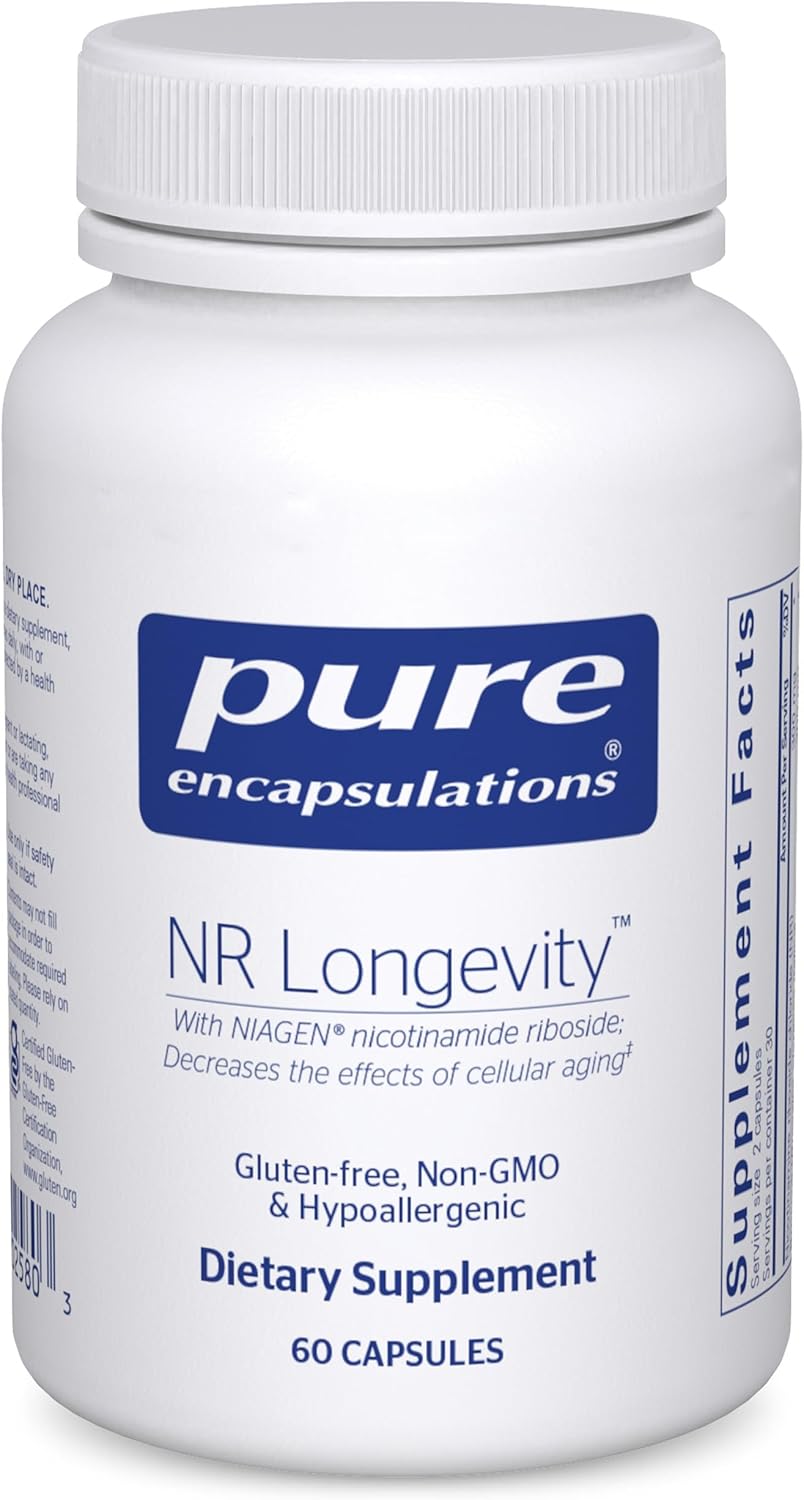
Pure Encapsulations NR Longevity NAD+
Pharmaceutical-grade nicotinamide riboside, no unnecessary additives
$65.00
Check Price on Amazon →Liposomal Glutathione: The Antioxidant Upgrade Worth the Premium
Glutathione is the body's primary intracellular antioxidant, and it declines steadily with age. It's made inside cells from cysteine, glycine, and glutamic acid, and it's critical for liver detoxification, immune function, and neutralizing reactive oxygen species. The challenge with supplementing glutathione is bioavailability: standard oral glutathione is largely broken down in the gut before reaching circulation. Liposomal encapsulation protects it through the digestive process and significantly improves delivery to cells.
For women over 40, glutathione support has particular relevance for skin oxidative stress (glutathione is involved in the skin's antioxidant defense), liver detox capacity (which becomes more important as the liver processes more metabolic byproducts), and immune regulation. This isn't a supplement everyone needs, but at $117 for a high-quality liposomal form, it's a meaningful investment for anyone with elevated oxidative stress markers or significant toxic exposure.
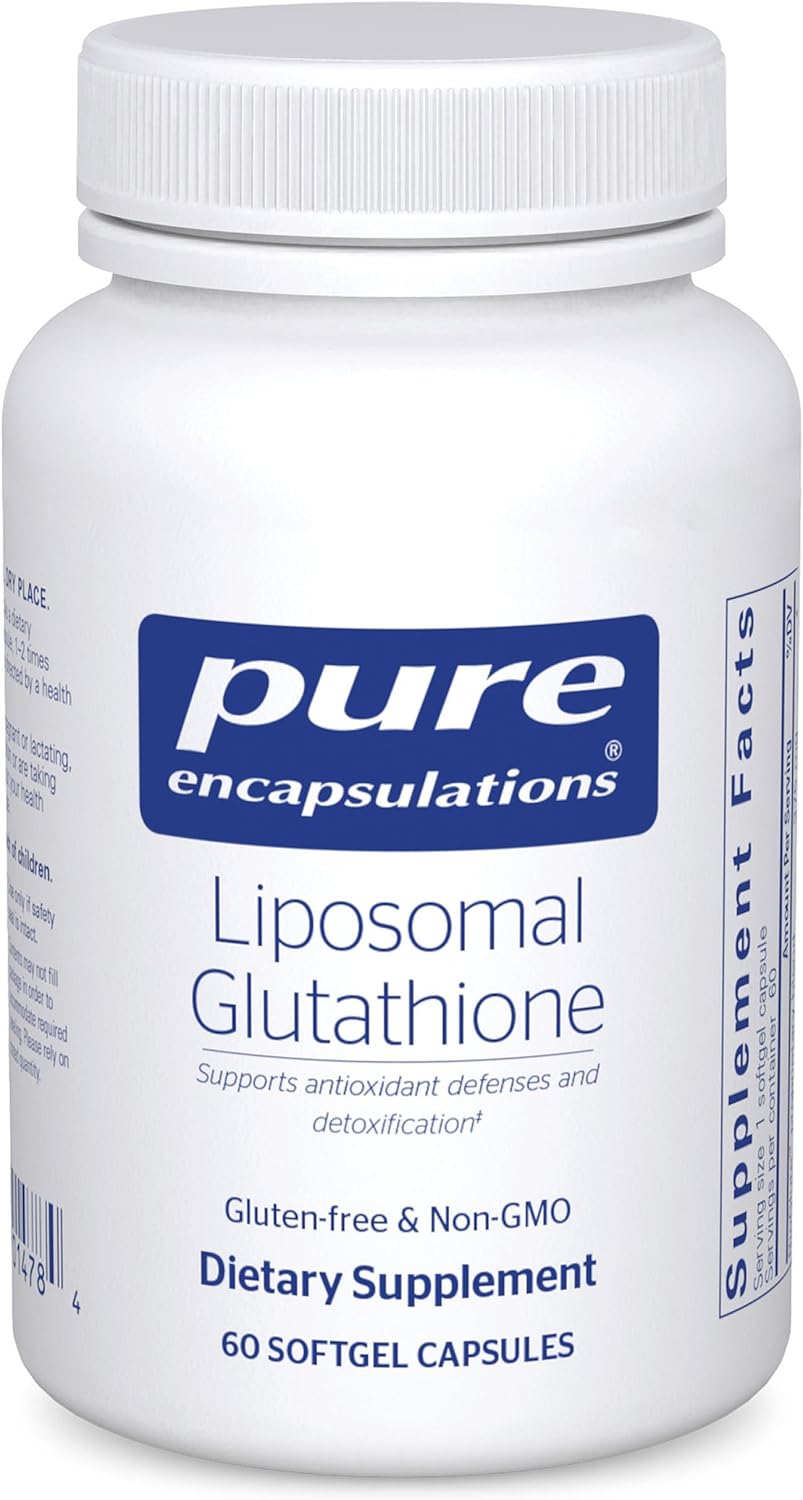
Pure Encapsulations Liposomal Glutathione
Liposomal delivery, 200mg reduced glutathione per serving
$117.00
Check Price on Amazon →Frequently Asked Questions
What supplements help most with perimenopause symptoms?
Magnesium is one of the most helpful because it addresses sleep disruption, anxiety, and mood changes through its role in GABA receptor function and cortisol regulation. Vitamin D deficiency correlates with worse perimenopausal symptoms. NAD+ precursors may help with energy and cognitive changes. These aren't hormone replacements but they address real deficiency mechanisms that worsen perimenopausal experience.
Is glutathione useful for women over 40?
Glutathione is the body's master antioxidant and declines significantly with age. In women, lower glutathione is associated with increased oxidative stress, reduced liver detox capacity, and accelerated skin aging. Liposomal glutathione absorbs substantially better than standard oral glutathione and maintains circulating levels that support ongoing antioxidant defense.
Do women over 40 need different supplements than men?
The core nutrients (D3, magnesium, omega-3, B vitamins) are relevant for both. Women over 40 have specific concerns that warrant emphasis: bone density loss accelerates after menopause, requiring D3+K2 and magnesium. Glutathione depletion may be more pronounced. Iron needs typically decrease after menopause, so iron supplementation should be based on blood work.