Glutathione is our body's master antioxidant. The problem our team ran into immediately: most oral glutathione supplements are broken down in the gut before they reach circulation. Liposomal delivery changes that equation. Here's how we evaluated the evidence and what we actually use.
Quick Answer
- Standard glutathione absorbs poorly: digestive enzymes break the tripeptide down before it reaches the bloodstream
- Liposomal encapsulation fixes this: phospholipid vesicles protect glutathione through digestion and deliver it to cells intact
- NAC is the budget alternative: precursor approach, equally effective for most people, at a fraction of the cost
- Liposomal wins for acute or high-demand situations: faster blood level increase, more direct delivery
Why Standard Oral Glutathione Doesn't Work Well
Glutathione is a tripeptide made of three amino acids: cysteine, glycine, and glutamic acid. When you swallow a glutathione capsule, the peptidases (protein-digesting enzymes) in your small intestine recognize it as a small peptide and break it down into its constituent amino acids before absorption. These amino acids then enter general circulation and can be used for glutathione synthesis, but the process is indirect, limited by cysteine availability, and no different from simply eating adequate protein.
Early clinical studies confirmed this. Oral glutathione supplementation at 500mg-1000mg daily produced minimal increases in blood glutathione levels when tested in pharmacokinetic studies. The molecule that makes it to your cells is largely not the glutathione you swallowed. This is a fundamental limitation of the tripeptide structure, not a formulation issue that better capsules solve.
How Liposomal Delivery Changes the Biology
Liposomes are spherical vesicles made of phospholipid bilayers, the same material that makes up cell membranes. When glutathione is encapsulated in a liposome, it's protected from digestive enzymes because the liposome shell isn't recognized as a peptide. The liposome is absorbed through the intestinal epithelium via endocytosis (the same process cells use to absorb fats and some drugs) and enters the lymphatic circulation before reaching blood, bypassing the peptidase exposure entirely.
A 2015 study published in the European Journal of Nutrition compared liposomal glutathione to unencapsulated glutathione and found that liposomal delivery produced significantly higher blood glutathione levels (41% increase vs. a modest 13% increase) at the same dose after 4 weeks. Importantly, liposomal glutathione also raised natural killer cell cytotoxicity, an immune function marker, while standard glutathione did not. This is the clearest head-to-head bioavailability data available.
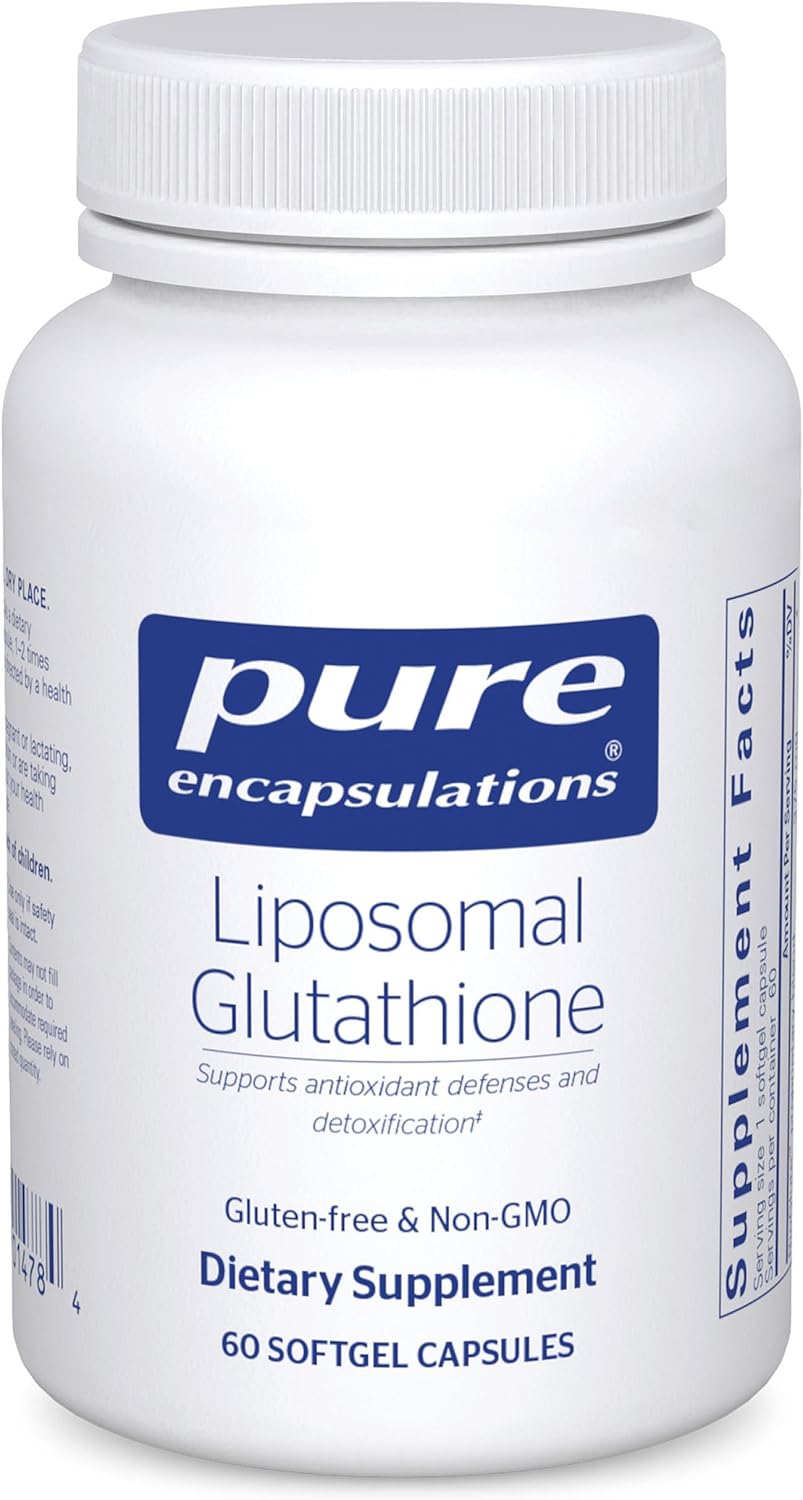
Pure Encapsulations Liposomal Glutathione
200mg reduced glutathione in liposomal complex per serving
$117.00
Check Price on Amazon →Who Should Use Liposomal Glutathione
The $117 price tag puts liposomal glutathione in the category of supplements for people with specific, higher-demand situations rather than baseline supplementation. The cases where it makes most sense: people with liver compromise (fatty liver, heavy alcohol history, significant medication load), heavy environmental or occupational toxin exposure, chronic illness with elevated oxidative stress, and those who specifically want the fastest possible rise in blood glutathione levels for therapeutic purposes.
For general anti-aging and antioxidant support in a healthy person with a reasonable diet and adequate protein intake, NAC at $56.50 for 3-4 months is the more efficient choice. NAC boosts cellular glutathione production at the rate-limiting step and costs roughly one-fifth the price. The result for most people is equivalent functional glutathione support.
There's also a middle-ground approach: take NAC as your daily glutathione support base, and use liposomal glutathione periodically or during periods of high stress, illness, or increased toxic exposure when your demand spikes. This hybrid strategy costs less than full-time liposomal supplementation while ensuring direct delivery when you most need it.
Dosing and Practical Notes
The research on liposomal glutathione used 500-1000mg daily in most studies, though Pure Encapsulations' product at 200mg per serving reflects the higher potency per milligram of liposomal vs standard forms. Start with one serving daily, ideally on an empty stomach for fastest absorption. Some practitioners recommend twice daily for people with significant oxidative stress or liver burden.
Take glutathione away from metal-containing supplements. Glutathione chelates metals, and taking it alongside zinc, iron, or selenium supplements may reduce absorption of both. A 2-hour separation is sufficient. Store it according to label instructions; liposomal formulations can be sensitive to temperature.
Frequently Asked Questions
Why doesn't regular oral glutathione absorb well?
Glutathione is a tripeptide. Peptidase enzymes in the small intestine break it down into its component amino acids before it can be absorbed intact. This enzymatic degradation is why standard oral glutathione produces only modest increases in blood glutathione levels, unlike injectable glutathione which bypasses the digestive system entirely.
How does liposomal glutathione work?
Liposomal glutathione encapsulates the glutathione molecule in a phospholipid bilayer that mimics the cell membrane. This protects the glutathione from digestive enzymes and allows it to be absorbed via the lymphatic system, significantly increasing the amount that reaches systemic circulation intact.
Should we take NAC or liposomal glutathione?
NAC is more economical and supports cellular glutathione synthesis by providing cysteine. Liposomal glutathione provides more direct glutathione supplementation and may raise blood levels faster. For budget-conscious supplementation, NAC is the better value. For people with high oxidative stress or liver challenges, the direct delivery of liposomal glutathione has advantages.