The biggest mistake we see people make is starting with the exciting stuff - NMN, Urolithin A, Spermidine - while being deficient in Vitamin D and running low on Magnesium. At iVitaLab, we build every stack in layers: fix the deficiencies first, build the foundation second, optimize third. This guide walks through exactly how we do it.
Quick Answer
- Tier 1 is deficiency correction: D3+K2 and magnesium address gaps that affect most adults
- Tier 2 is cellular optimization: NAD+ precursor plus TMG for mitochondrial and methylation support
- Tier 3 is longevity-specific: senolytics, autophagy support, and pathway-specific compounds
- Don't skip tiers: tier 3 without tier 1 is like tuning a car with a flat tire
Tier 1: Fix What's Actually Broken First
Before spending $100/month on exotic longevity compounds, it's worth knowing that roughly 40% of American adults are vitamin D deficient (serum levels below 20 ng/mL) and over 50% don't meet the recommended dietary intake for magnesium. These aren't fringe deficiencies. They affect energy, immune function, sleep quality, muscle function, and hormone production. Correcting them makes a measurable difference that most people feel within weeks.
Vitamin D3 should always be paired with K2 when supplementing. D3 increases calcium absorption, and K2 directs that calcium to bones and teeth rather than arteries. The arterial calcification risk from high-dose D3 without K2 is real and worth taking seriously. We take 5,000 IU of D3 with 100mcg of MK-7 form K2 daily. After 3 months of supplementation, our 25(OH)D went from 22 ng/mL to 58 ng/mL, which is roughly where the evidence suggests optimal immune and muscle function sits.
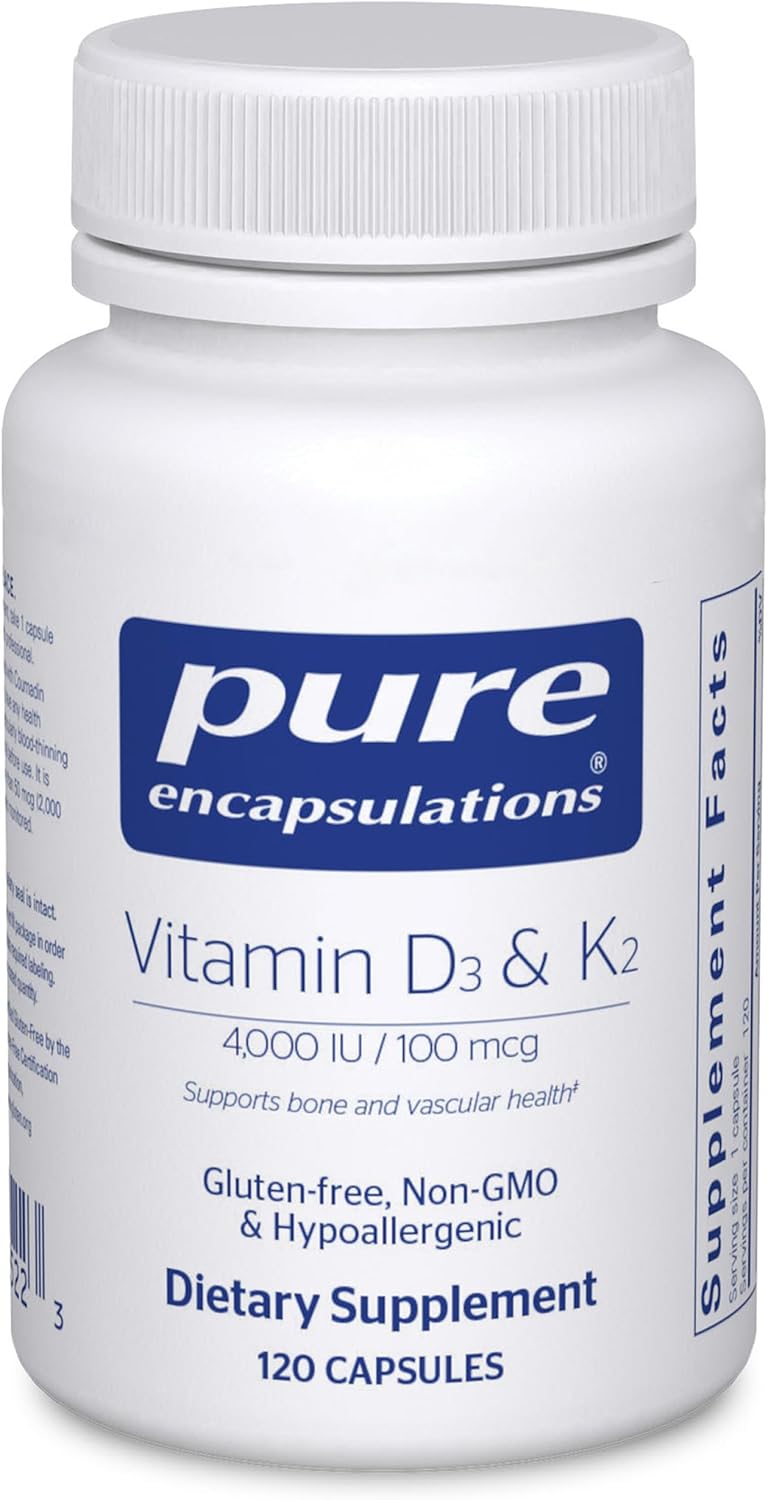
Pure Encapsulations D3 & K2
5,000 IU D3 with 180mcg MK-7 K2, hypoallergenic formula
$35.50
Check Price on Amazon →Magnesium citrate is our preferred form for general supplementation: it's well absorbed and gentle on the digestive system. 300-400mg at night supports sleep quality, muscle relaxation, and the enzymatic processes that affect everything from blood pressure to DNA repair. If you're taking high-dose D3, magnesium becomes even more important because magnesium is required to activate vitamin D in the body.
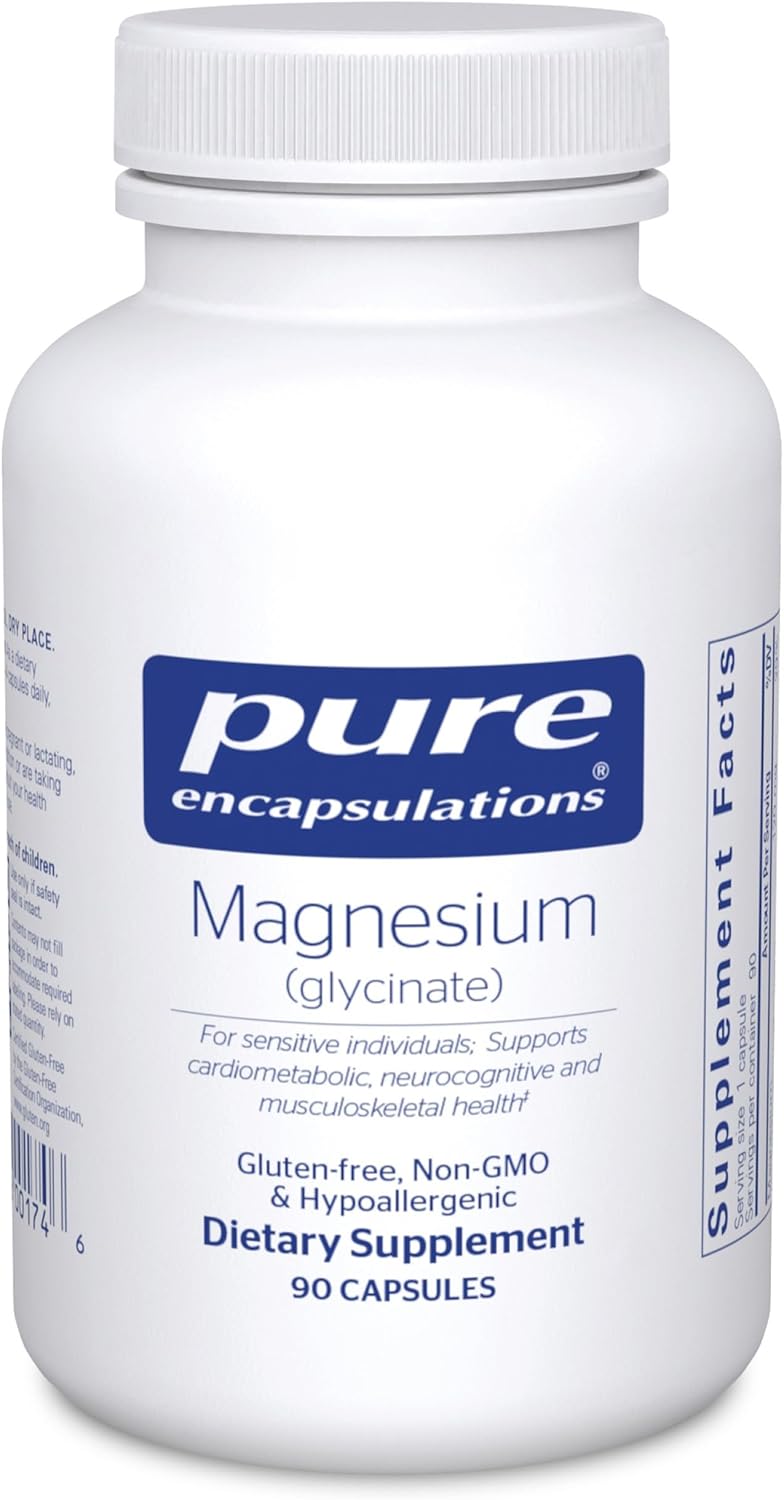
Pure Encapsulations Magnesium Citrate
150mg elemental magnesium per capsule, highly bioavailable citrate form
$27.00
Check Price on Amazon →Tier 2: Cellular Energy and Methylation Support
Once your foundational deficiencies are addressed, the next layer is cellular optimization. NAD+ levels decline 50% between ages 40 and 60, and that decline tracks directly with reduced mitochondrial output, slower cellular repair, and declining sirtuin activity. Restoring NAD+ through supplementation with NR or NMN is the most researched approach to this specific problem.
But NAD+ supplementation without methylation support is incomplete. The synthesis pathway consumes methyl groups, and running chronically depleted methylation capacity creates fatigue and mood issues that undermine the whole point. TMG at 500mg daily is the cheap insurance policy against this problem. At $19.95, it costs almost nothing relative to your NAD+ investment.
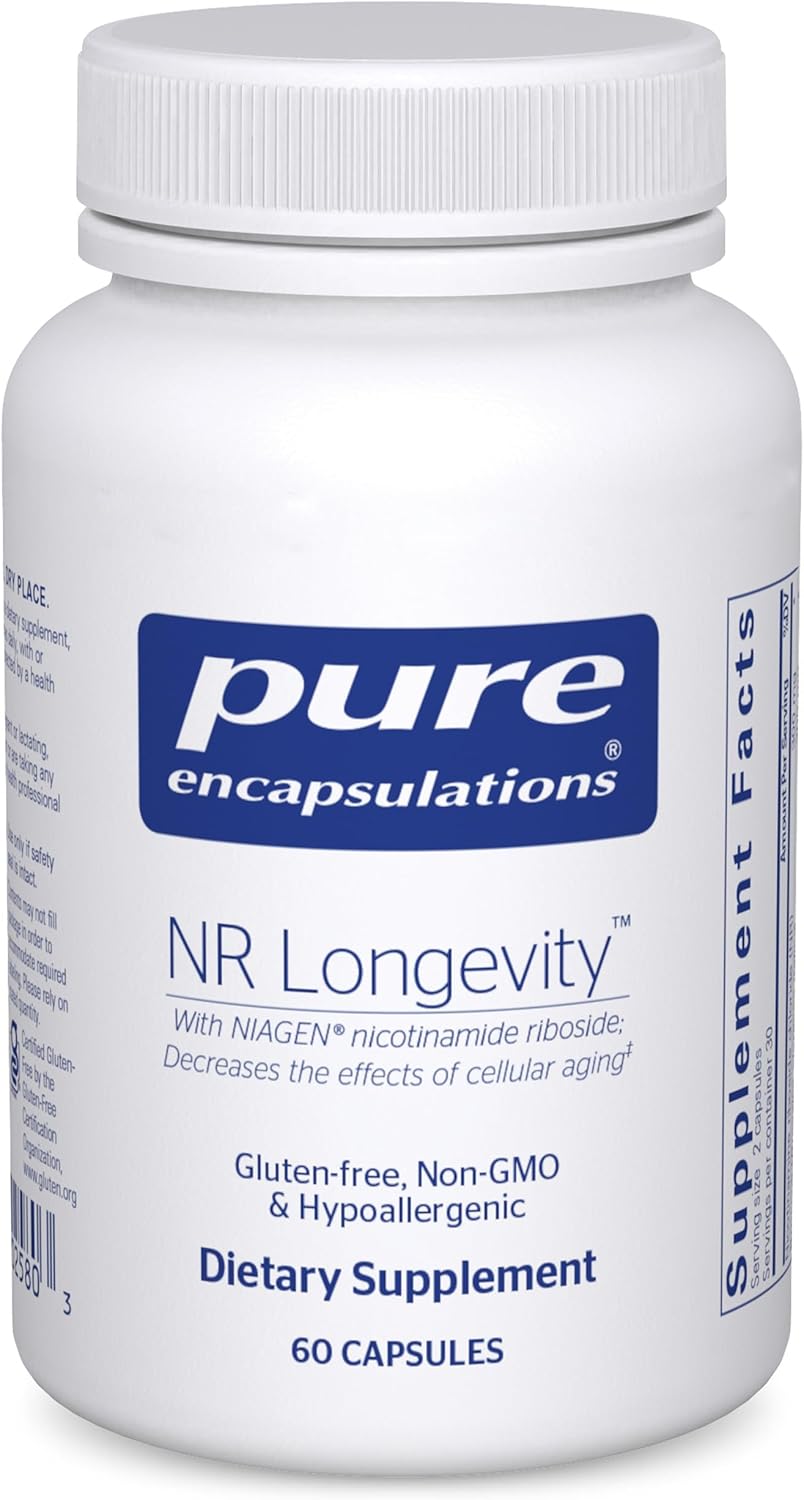
Pure Encapsulations NR Longevity NAD+
Nicotinamide riboside with NMN, resveratrol, and quercetin complex
$65.00
Check Price on Amazon →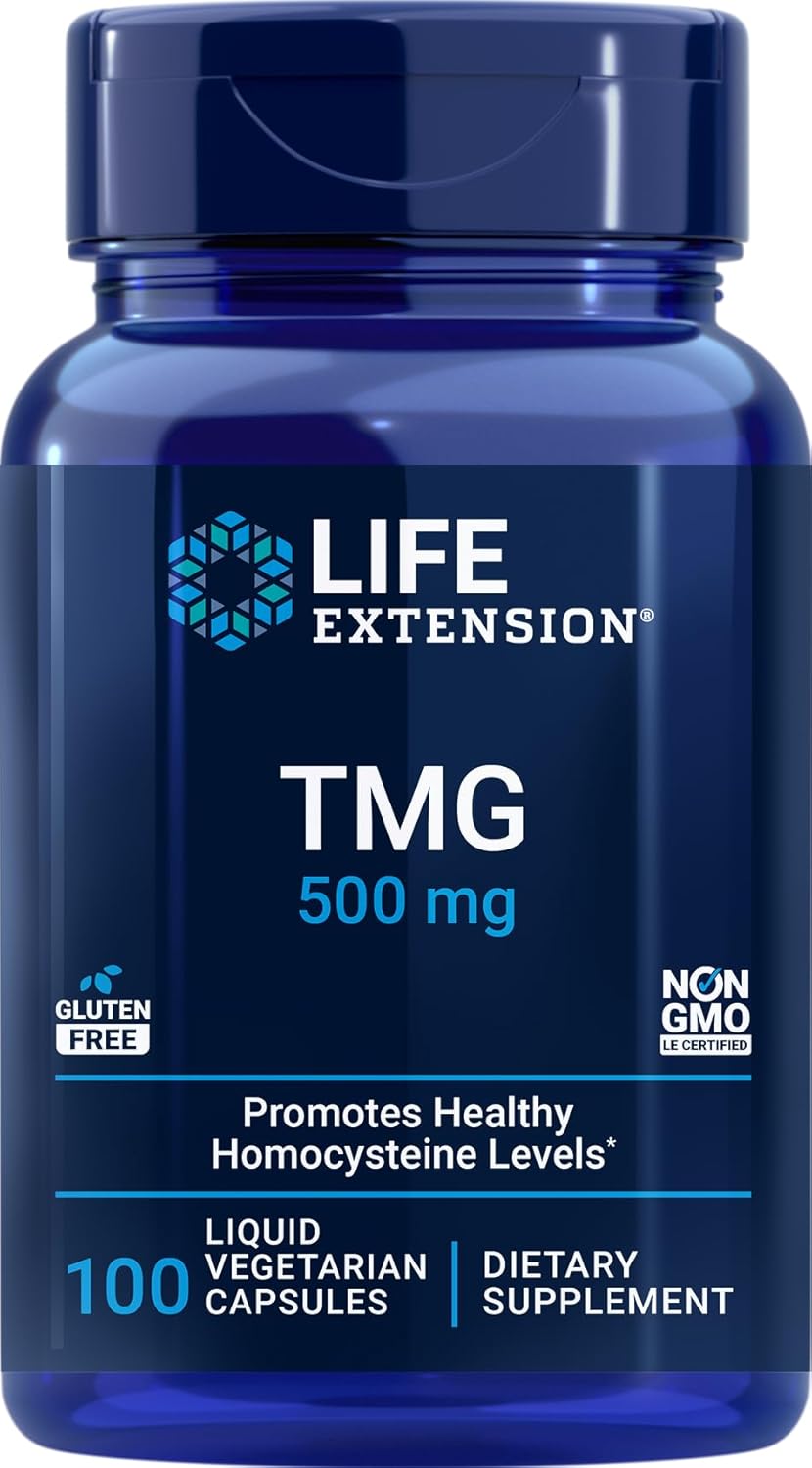
Life Extension TMG 500mg
Trimethylglycine, methyl donor for NAD+ and homocysteine support
$19.95
Check Price on Amazon →Tier 3: Longevity-Specific Compounds
Tier 3 is where the longevity space gets exciting and expensive. This includes senolytics like quercetin (which helps clear senescent cells), autophagy activators like spermidine, and mitochondrial biogenesis compounds like urolithin A. These are legitimate research targets with growing human trial data, but the evidence is less mature than tiers 1 and 2.
I don't recommend building here before tiers 1 and 2 are solid. The marginal benefit of quercetin is smaller than the marginal benefit of correcting a vitamin D deficiency from 22 to 58 ng/mL. Longevity research is seductive, and expensive tier-3 products get the marketing budgets and the podcast interviews, but the unglamorous vitamins and minerals are doing heavier lifting for most people.
Once you've been on tiers 1 and 2 for 3+ months and have the blood markers to prove they're working, tier 3 additions become meaningful increments rather than skipping steps.
The Real Cost of Building This Stack
Tier 1 only (D3+K2 at $35.50, magnesium at $27.00): roughly $62/month. Tier 1 plus tier 2 (add NR at $65, TMG at $19.95): roughly $147/month. That's the core stack we'd recommend to anyone serious about the longevity research and willing to invest meaningfully in it. For $147 per month, you're addressing vitamin D and K, magnesium, NAD+ restoration, and methylation support. That's a comprehensive cellular foundation.
Compare that to the cost of functional medicine consultations ($200-400 per visit) or one month of prescription NMN analogs ($200-400). Supplements aren't free, but they're not absurdly expensive relative to other health investments when you're getting what the research says you're getting.
Frequently Asked Questions
How much does a longevity supplement stack cost per month?
The foundational tier (D3+K2, magnesium) runs roughly $62 per month. Adding an NAD+ precursor and TMG brings the monthly cost to about $147. Tier 3 additions like urolithin A or quercetin can push it to $200+ monthly. Most people get meaningful results from tiers 1 and 2 alone.
What order should we add supplements when building a longevity stack?
Start with deficiency correction first: vitamin D, magnesium, and omega-3. These have the most evidence and the broadest population-level deficiency. Add NAD+ support second. Senolytic and longevity-specific compounds like quercetin or urolithin A come last once the foundation is solid.
How do we know if our longevity stack is working?
Track measurable markers: vitamin D blood levels (aim for 50-70 ng/mL), red blood cell magnesium, and omega-3 index. Subjective markers include sleep quality, energy levels, and exercise recovery. Biological age testing through methylation clocks provides longer-term feedback.