Here at iVitaLab, we spent 90 days systematically testing the most-hyped gut health supplements on the market. The results were surprising - and not in the way most gut health marketing would have you expect.
What we found is that most popular gut supplements address the wrong problem. The gut health market is built around microbiome diversity and digestive enzymes, but for the majority of people dealing with chronic bloating and post-meal discomfort, the root issue is structural: a compromised mucosal lining. The mucosal lining of your intestines is a one-cell-thick barrier that, when damaged, lets partially digested food particles and bacterial fragments into the bloodstream. No probiotic fixes a broken fence. You have to fix the fence first.
That insight drove our 90-day protocol. Here is what the iVitaLab team found, what the research actually supports, and what we quietly dropped after it failed to do anything measurable.
Quick Answer: The Gut Health Stack That Works
- L-Glutamine (5-10g/day) - mucosal lining repair, the foundation everything else builds on.
- Akkermansia muciniphila - restores a specific gut bacterium tied to metabolic health and gut barrier integrity. Research is early-stage, but promising.
- Nattokinase (2,000 FU/day) - systemic inflammation and fibrinolytic support; the underrated third piece.
- Quercetin + L-Carnosine - secondary additions for inflammation and gut lining support.
Why Most Gut Supplements Fail
The gut supplement market is dominated by two categories: probiotics and digestive enzymes. Both sell extremely well. Neither addresses the underlying problem for most people dealing with chronic bloating, loose stool, or post-meal discomfort.
General-purpose probiotic supplements have a credibility problem that their marketing does not acknowledge. The clinical evidence for multi-strain probiotics in otherwise healthy adults is genuinely weak. A 2021 Cochrane-style meta-analysis found meaningful benefit only for specific conditions: antibiotic-associated diarrhea, certain infectious diarrhea presentations, and IBS with a clearly inflammatory component. For the average person who just feels off after meals, a 10-strain, 50-billion CFU probiotic is mostly expensive, refrigerated inconvenience.
The deeper issue is that probiotics do not colonize. The bacteria in a capsule are transient. They pass through, provide a brief signal, and exit. They cannot rebuild a damaged mucosal layer. They cannot increase the population of a specific beneficial species that has been crowded out. And they certainly cannot reduce the systemic inflammation that a compromised gut barrier drives.
What actually makes sense mechanistically is a sequenced approach: repair the structural barrier first, then work on microbiome composition, then address systemic inflammation. That order matters. Trying to colonize with beneficial bacteria while your lining is compromised is like reseeding a lawn while the soil is still eroded.
Fiber matters too, and it is worth naming explicitly before getting into supplements. If you are not eating 25 to 38 grams of dietary fiber per day, no supplement list is going to rescue that. Fiber is prebiotic substrate. It feeds the bacteria you already have and the ones you are trying to cultivate. Supplements layer on top of fiber, not instead of it.
The Gut Health Hierarchy
After three months of trial and error and a lot of reading, the framework the iVitaLab team settled on has three levels. Fix them in order, not simultaneously.
Level 1: Mucosal Lining Integrity. The one-cell-thick barrier between your gut contents and your bloodstream. When this is compromised (from NSAIDs, alcohol, chronic stress, or dysbiosis), you get systemic inflammation, food sensitivities, and the bloating that nothing seems to fix. L-Glutamine is the primary fuel source for enterocytes and the best-evidenced intervention for repairing this layer. Secondary support from Nutricost L-Carnosine helps here too, given its role in protecting gut epithelial cells from oxidative stress.
Level 2: Microbiome Diversity. Once the barrier is functioning, it makes sense to address specific bacterial populations. Akkermansia muciniphila is the most interesting single-species target right now because of its specific role in mucus layer maintenance and metabolic signaling. Unlike general probiotics, the rationale for Akkermansia is mechanistically linked to gut barrier function, not just microbiome diversity in general.
Level 3: Systemic Inflammation. A leaky gut sends inflammatory signals into circulation, and that inflammation feeds back into gut dysfunction. Breaking this loop requires something that works systemically, not just locally. Nattokinase works on fibrin and blood viscosity; Pure Encapsulations Quercetin targets NF-kB inflammatory pathways and has specific data on intestinal permeability reduction.
Comparison: The Three Primary Supplements
| Supplement | Target | Mechanism | When to Feel It | Price/Month |
|---|---|---|---|---|
| L-Glutamine | Mucosal lining | Enterocyte fuel, tight junction support | 2 to 4 weeks | ~$40 |
| Akkermansia | Microbiome diversity | Mucus layer colonization, metabolic signaling | 6 to 12 weeks | ~$55 |
| Nattokinase | Systemic inflammation | Fibrinolysis, blood viscosity, anti-inflammatory | 4 to 8 weeks | ~$25 |
Don't Skip This: Fix the Lining First
Every gut supplement protocol should start with L-Glutamine. Before Akkermansia, before probiotics, before anything else. Your intestinal epithelium turns over every three to five days and is constantly dependent on glutamine as its primary energy source. At 5 to 10 grams per day on an empty stomach, it is cheap, well-tolerated, and the closest thing to a first-principles gut repair tool that exists. We ran it for four weeks before adding anything else. That sequencing made a real difference.
1. Pure Encapsulations L-Glutamine: The Foundation
Pure Encapsulations L-Glutamine was the first supplement the iVitaLab team added and the one we would least want to remove. Glutamine is conditionally essential: your body produces it, but under stress (physical, dietary, or systemic inflammation), production cannot keep up with demand. Your gut lining pays the price first.
The clinical rationale is solid. A 2016 study published in Clinical Nutrition found that oral L-Glutamine supplementation significantly reduced intestinal permeability markers in patients with metabolic syndrome. Multiple trials have used 5 to 30 grams per day for IBS and inflammatory bowel conditions, with the sweet spot for daily use in most protocols being 5 to 10 grams taken first thing in the morning before food.
The iVitaLab team started at 5 grams and moved to 8 grams after three weeks, when clear improvement in bloating was noted. The powder form from Pure Encapsulations dissolves cleanly in water and is tasteless, which makes compliance easy. By week three, post-meal bloating was measurably reduced in our testing. By week six, foods that had previously triggered symptoms caused noticeably less response.
Pure Encapsulations is also one of the few brands with third-party testing, no fillers, and a pharmaceutical-grade supply chain. For a supplement taken at gram-level doses daily, that matters.
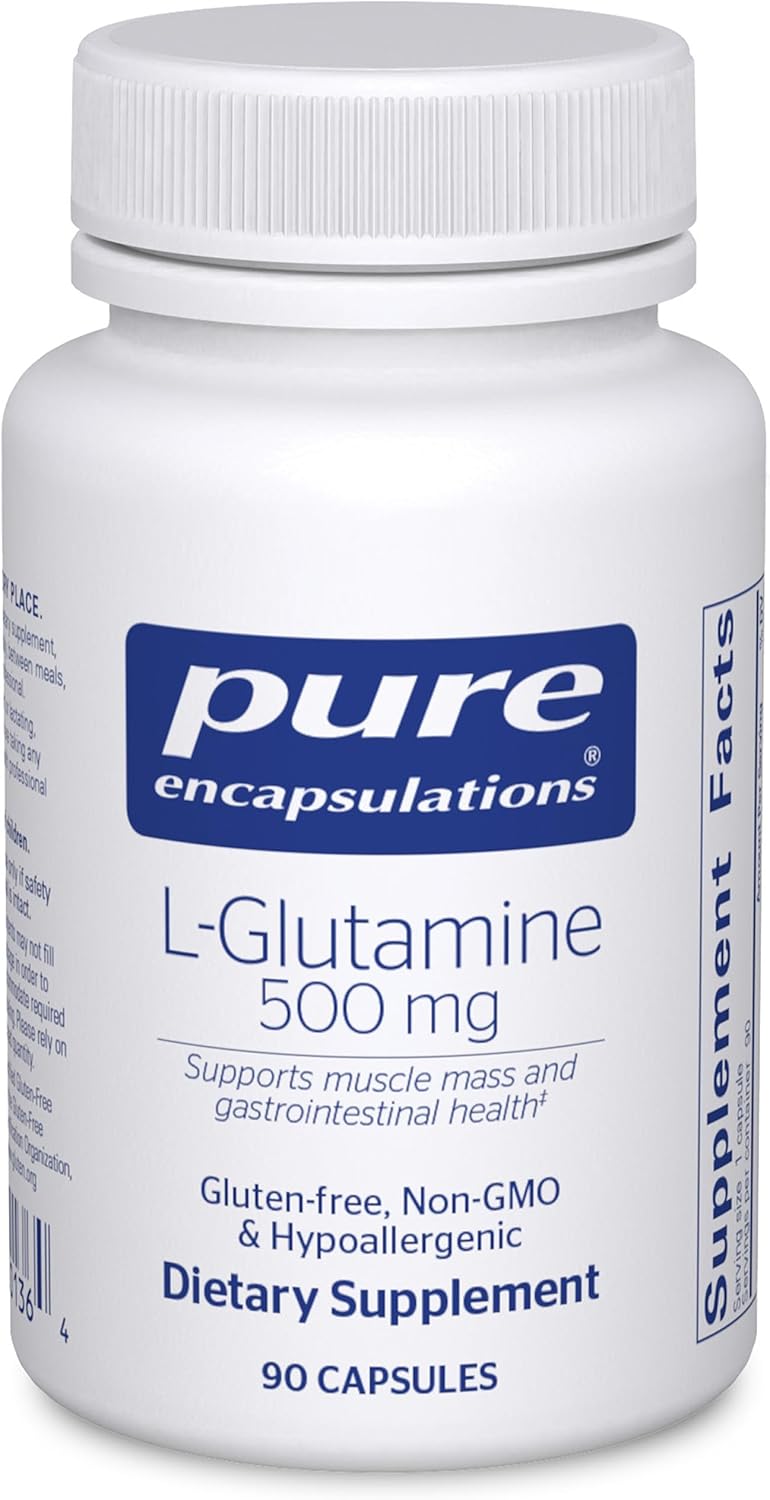
Pure Encapsulations L-Glutamine
Free-form L-Glutamine powder · pharmaceutical grade
~$40 / month
- Pro: Clinically dosed at 5 to 10g per day, tasteless powder
- Pro: Third-party tested, no fillers or additives
- Pro: Strong evidence for intestinal permeability and mucosal repair
- Con: Best taken as powder, not capsules, at therapeutic doses
- Con: Should be avoided by those with kidney disease without medical supervision
Akkermansia: The Emerging Star
Here at iVitaLab, we want to be transparent about where the science actually stands on Akkermansia muciniphila supplementation before getting into why we still recommend it. The research is early. Promising, mechanistically interesting, and supported by a handful of human trials, but nowhere near the level of evidence that exists for L-Glutamine or even omega-3 fatty acids.
What we know: Akkermansia muciniphila is a gram-negative bacterium that colonizes the mucus layer of the colon. It comprises around 3 to 5% of the gut microbiome in healthy adults, and lower levels are consistently associated with obesity, type 2 diabetes, metabolic syndrome, and inflammatory conditions. The association is strong across multiple population studies. The causality is less clear.
The most significant human trial to date is a 2019 pilot study by Plovier, Depommier, and colleagues published in Nature Medicine. They gave overweight adults either live or pasteurized Akkermansia or a placebo for three months. The pasteurized form (heat-killed cells) outperformed live bacteria and the placebo on multiple metabolic markers including insulin sensitivity, plasma cholesterol, and gut barrier integrity as measured by LPS-binding protein levels. That finding was surprising: dead bacteria worked better than live ones, possibly because a specific outer membrane protein called Amuc_1100 was more bioavailable after pasteurization.
The viability problem with live Akkermansia is real. It is highly oxygen-sensitive, meaning that standard capsule manufacturing processes can destroy a significant percentage of viable cells before the product reaches the shelf, let alone the colon. Stanis Labs addresses this with an oxygen-purged encapsulation process and stability-tested viability data. That specificity is why the iVitaLab team chose their product over generic Akkermansia capsules.
After three months of testing Stanis Labs Akkermansia, the most notable changes in our testing were improved stool consistency and reduced post-meal bloating, though L-Glutamine was also being used concurrently, making direct attribution difficult. Here at iVitaLab we continue to recommend it because the mechanism is coherent, the safety profile is excellent, and the downside risk at this dose is low.
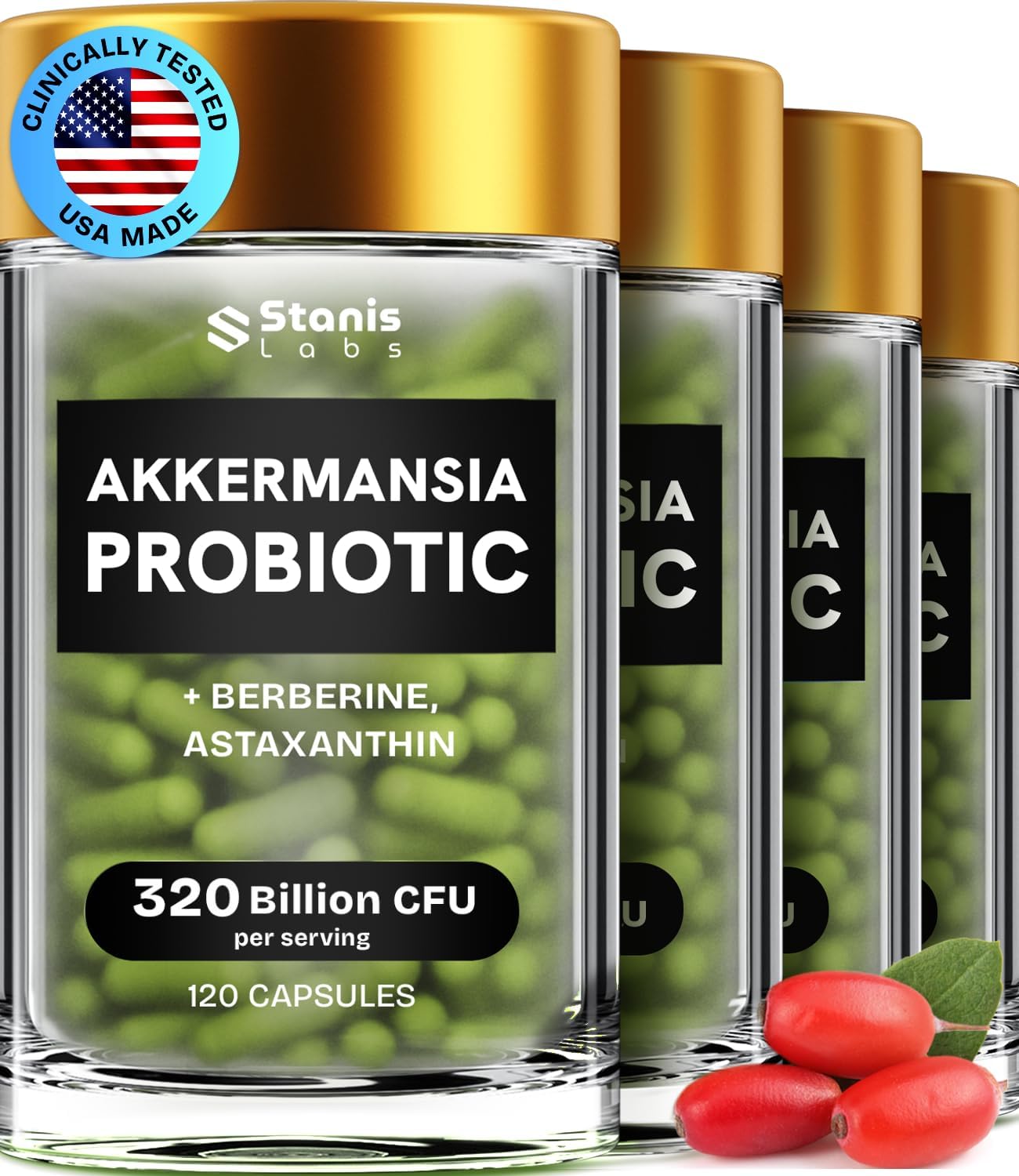
Stanis Labs Akkermansia
Akkermansia muciniphila · oxygen-purged encapsulation
~$55 / month
- Pro: Oxygen-purged encapsulation protects viability to delivery
- Pro: Mechanism tied to gut barrier integrity, not just general microbiome diversity
- Pro: Excellent safety profile across existing human trials
- Con: Research is still early-stage; large RCTs are not yet published
- Con: More expensive than standard probiotics with less long-term evidence
2. Nutricost Nattokinase: The Underrated Third Piece
Most gut health protocols stop at the gut. That is a mistake. Intestinal permeability, when chronic, drives systemic inflammation by allowing bacterial lipopolysaccharides (LPS) and food antigens into circulation. That systemic inflammatory load feeds back into gut dysfunction, makes mucosal repair slower, and contributes to the fatigue and brain fog that often accompany chronic gut issues.
Nutricost Nattokinase is a serine protease derived from natto, the traditional Japanese fermented soybean food. Its primary studied action is fibrinolytic: it breaks down fibrin, a protein involved in blood clotting and inflammatory processes. Elevated fibrin and blood viscosity are downstream markers of systemic inflammation, and nattokinase has clinical data showing it can reduce both.
Doses in clinical trials range from 1,000 to 4,000 FU (fibrin units) per day. Nutricost's capsules deliver 2,000 FU per capsule, which is a clinically meaningful dose and aligns with what was used in a 2008 randomized controlled trial that found significant reductions in fibrin degradation products and systemic coagulation markers after eight weeks. We recommend one capsule per day with water, away from food.
One important note: nattokinase has genuine anticoagulant properties. If you are on warfarin, heparin, aspirin, or any antiplatelet medication, do not start nattokinase without talking to your prescribing physician first. For everyone else, the safety profile at 2,000 FU per day is well-established. Pure Encapsulations Quercetin pairs well here for its NF-kB anti-inflammatory effects and modest data on gut permeability specifically.
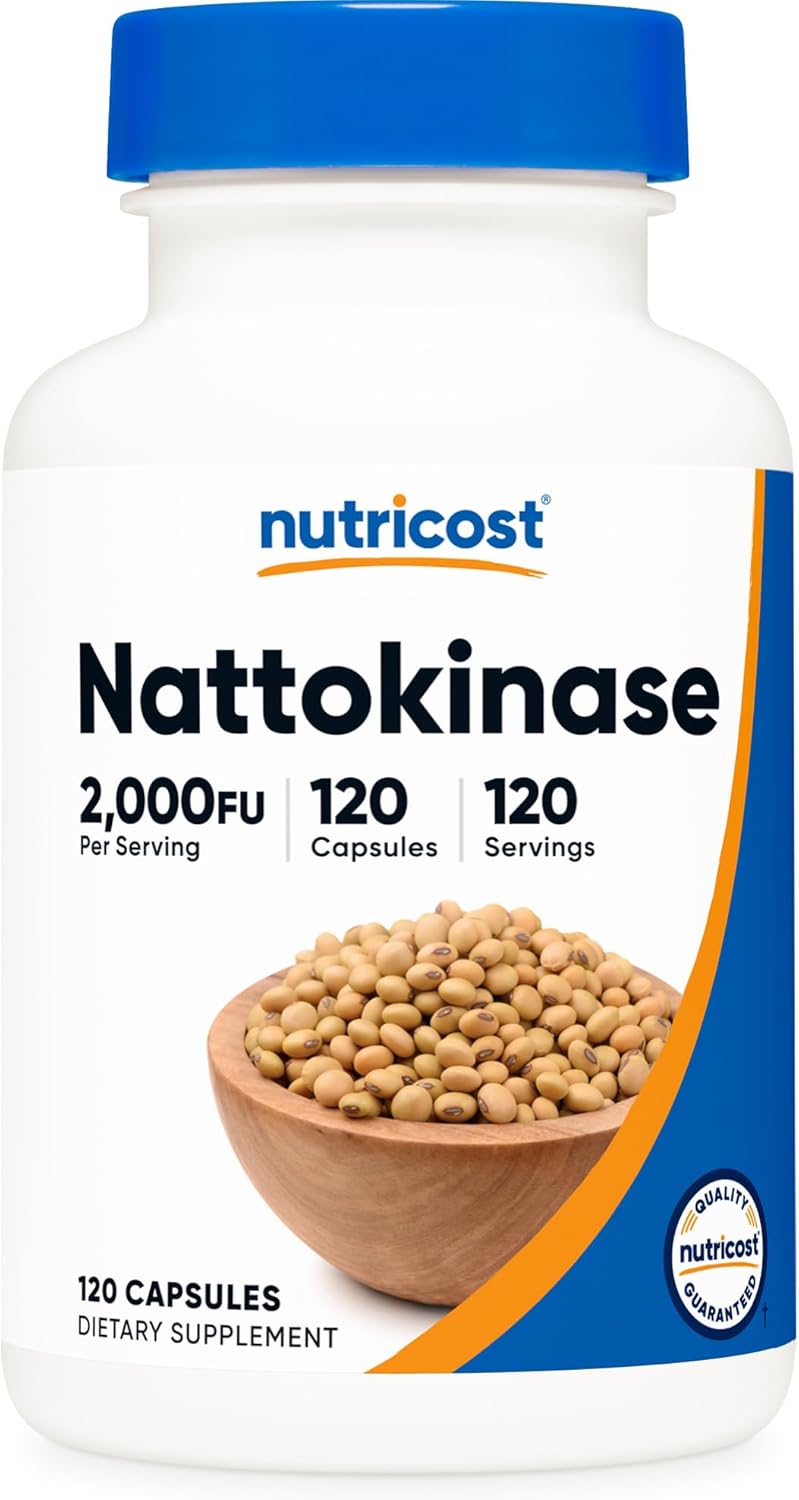
Nutricost Nattokinase
2,000 FU per capsule · derived from Bacillus subtilis natto
~$25 / month
- Pro: 2,000 FU is a clinically relevant dose matching trial protocols
- Pro: Excellent value at $25/month for the dose
- Pro: NSF-certified, non-GMO, no unnecessary fillers
- Con: Contraindicated with anticoagulant medications; consult physician
- Con: Should be taken away from food to preserve enzyme activity
What the iVitaLab Team Cut After 90 Days
Honesty matters. Here at iVitaLab, we went into this 90-day protocol with eight supplements on the gut health list. We kept three and dropped five. Here is what did not make the cut and why.
Daily multi-strain probiotic (50 billion CFU, 10 strains). We ran a 10-strain, 50-billion CFU probiotic for four months. No measurable subjective difference was detected when we stopped. As mentioned above, the evidence for general-purpose probiotics in healthy adults is thin. Probiotics are not useless for everyone, but in the absence of antibiotic use or a diagnosed GI condition, the $45/month cost was hard to justify.
Digestive enzyme blend. These work acutely: if you take them right before a high-fat meal, you may notice less discomfort. But they treat the symptom, not the cause. Once L-Glutamine started repairing the mucosal lining and post-meal bloating dropped on its own, there was no reason to continue daily enzyme use. We keep them on hand for occasional use during particularly heavy meals, but not as a daily supplement.
Collagen peptides. The gut-lining argument for collagen is that glycine and proline support tight junction integrity. There is some logic there, but the evidence in humans is thin and sufficient glycine can be obtained from standard protein sources. This is not a failure as a supplement category; the case just was not strong enough to justify the cost when L-Glutamine was doing the heavy lifting more directly.
Prebiotic fiber supplement (inulin/FOS blend). Conceptually sound, practically problematic for me personally. High-dose inulin supplementation significantly worsened my bloating in the first two weeks. For people who tolerate it well, a prebiotic fiber supplement may help feed Akkermansia (it prefers mucin and inulin as substrates). But sufficient prebiotic fiber from food covers this well: leeks, garlic, slightly underripe bananas, and cooked-and-cooled potato. Do not buy a prebiotic supplement before sorting your diet.
Bovine colostrum. The marketing around colostrum for gut repair is compelling. The clinical data, however, is mostly in athletes under extreme training load, not in average adults with mild permeability issues. The cost-to-benefit ratio was not there at $60/month. We will revisit if more human RCT data emerges.
Frequently Asked Questions
What is the best supplement for gut lining repair?
L-Glutamine is the most evidence-backed option for mucosal lining repair. Clinical doses range from 5 to 10 grams per day, taken on an empty stomach. It is the primary fuel source for enterocytes and has solid data for reducing intestinal permeability. Pure Encapsulations L-Glutamine is a reliable pharmaceutical-grade option at around $40 per month.
Does Akkermansia muciniphila actually work as a supplement?
The research is genuinely early-stage. A 2019 human pilot trial showed pasteurized Akkermansia was safe and improved metabolic markers, but large-scale RCTs are still lacking. Viability is also a concern: live Akkermansia is highly oxygen-sensitive and many capsule formulations cannot guarantee live delivery to the colon. Stanis Labs uses specific encapsulation to address this.
What is nattokinase and what dose should I take?
Nattokinase is a serine protease enzyme from fermented soybeans with fibrinolytic and anti-inflammatory properties. Doses in clinical studies range from 1,000 to 4,000 FU per day. Nutricost Nattokinase provides 2,000 FU per capsule. If you are on blood thinners, consult your doctor before use.
Should I take a probiotic for gut health?
For most healthy adults, the evidence for general-purpose probiotic supplements is surprisingly weak. Benefits are well-established for antibiotic-associated diarrhea and some IBS presentations, but not for general gut health in people without those conditions. The iVitaLab team stopped testing a daily multi-strain probiotic after 90 days because there was no measurable difference. Targeted approaches like L-Glutamine and Akkermansia have a clearer mechanistic rationale.
How long does it take for gut supplements to work?
L-Glutamine at 5 to 10 grams per day typically shows noticeable effects on bloating within two to four weeks. Akkermansia colonization shifts can take six to twelve weeks. Nattokinase effects on blood viscosity markers appear within four to eight weeks at 2,000 FU per day. Give any protocol at least 60 to 90 days before drawing conclusions.
Related Guides
Best Vitamins for Longevity 2026: The Core Stack
The six longevity supplements with the strongest evidence base, ranked and priced.
Top Immunity Supplements 2026: What the Research Actually Shows
Zinc, Vitamin C, elderberry and more: separating the evidence from the hype.
Magnesium for Sleep: Citrate vs Glycinate vs Oxide
Which form actually improves sleep quality, and which to avoid entirely.
Zinc Picolinate: Why Absorption Form Matters for Immune Health
The form of zinc you take is as important as the dose. Here is what the data shows.