Top Immunity Supplements for 2026
By iVitaLab Editors · Updated August 2026 · 8 min read
The immune system's role in fighting off illness is more critical than ever. Using supplements to boost immunity offers a way to cover gaps in modern diets and enhance our natural defenses. Here are our leading choices for 2026, tailored to keep you healthy year-round.
Quick Picks
- Best Vitamin D: Vitamin D3 & K2 - essential for immune support
- Best Mushroom Supplement: AHCC Mushroom Extract - helps enhance natural killer cell activity
- Best Mineral Support: Zinc Picolinate - promotes proper immune function
Why Focus on Immunity Now?
Immunity has always been a front-line defense for health, but recent years have underscored its importance. While a balanced diet pretty much covers a standard protection, this isn't always feasible due to dietary restrictions or personal preferences. Supplements provide a reliable enhancement, providing nutrients often missed.
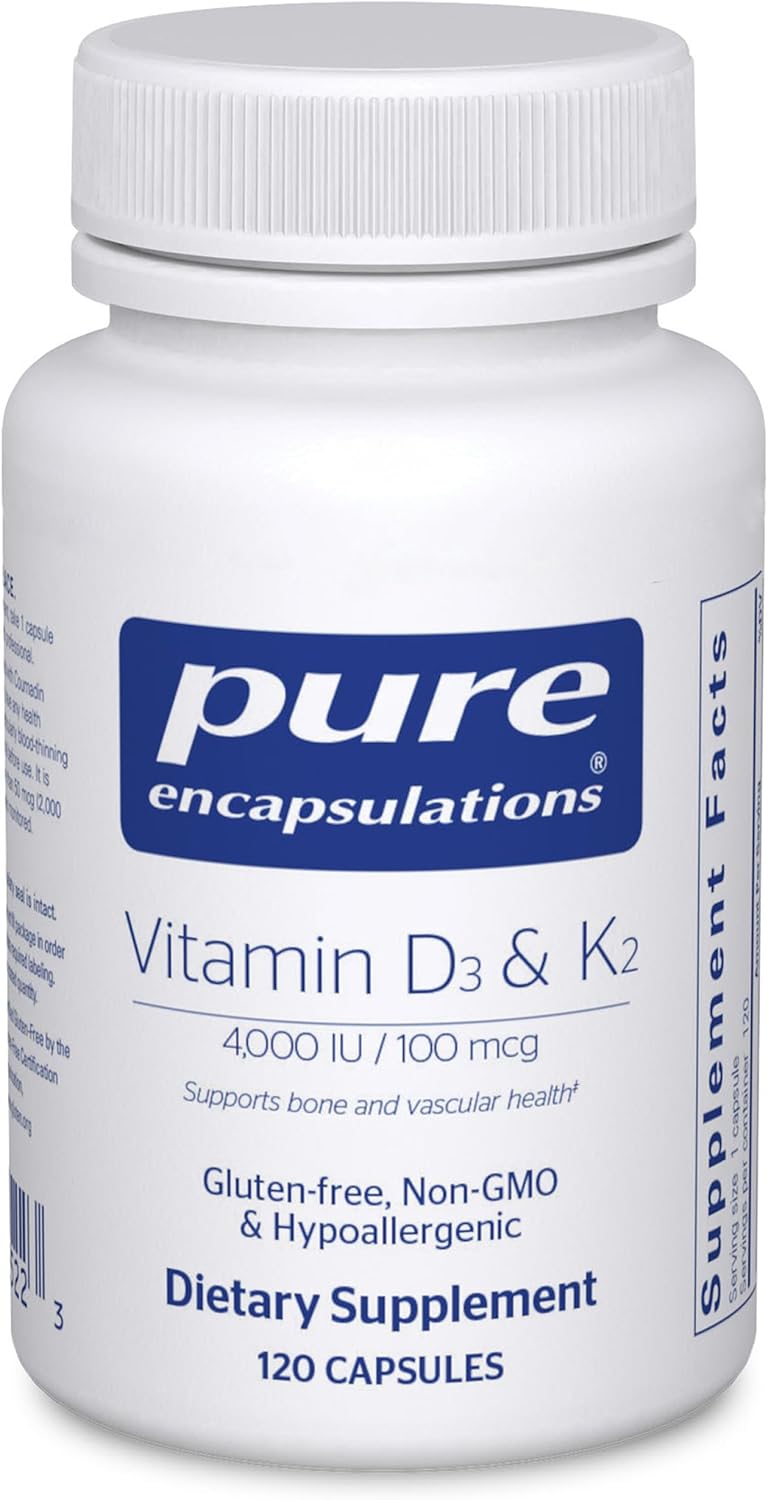
Vitamin D3 & K2 - $35.50
Vitamin D3 is essential for immune support but travels alongside Vitamin K2 for a synergistic effect that supports bone health and overall wellness. They work together by ensuring proper calcium absorption, which is pivotal for immune strength. If you plan on wild trips this year, mix these nutrients naturally from the sunlight and beyond with this capsule duo.
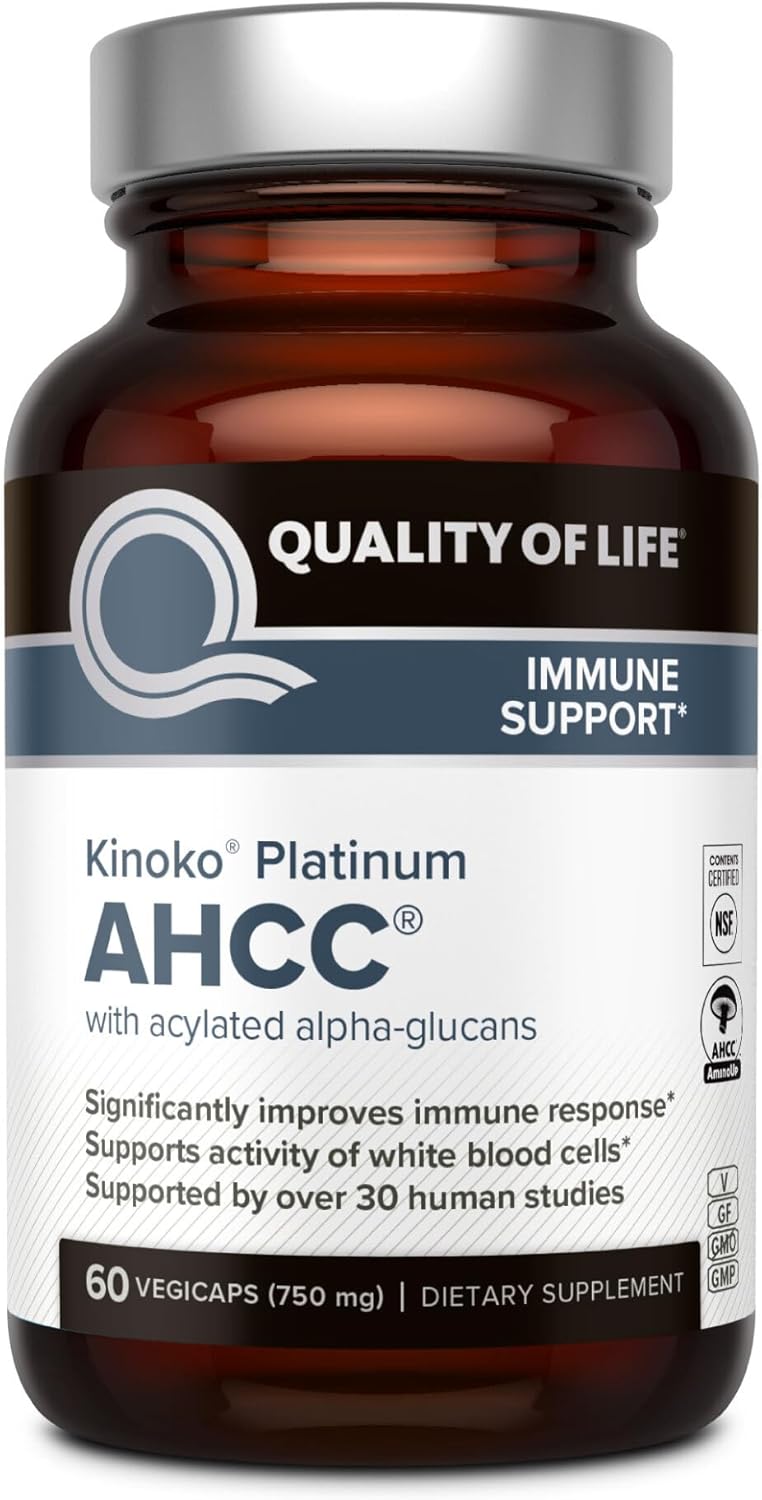
AHCC Mushroom Extract - $79.95
The AHCC mushroom extract works as an immune modulator and is popular in Japan as an alternative health therapy component. Boosting the body’s natural killer cell activity, it aids in supporting the body during times of stress, fatigue, or when your immune system needs a helping hand. Consider this a go-to during testing transitions.
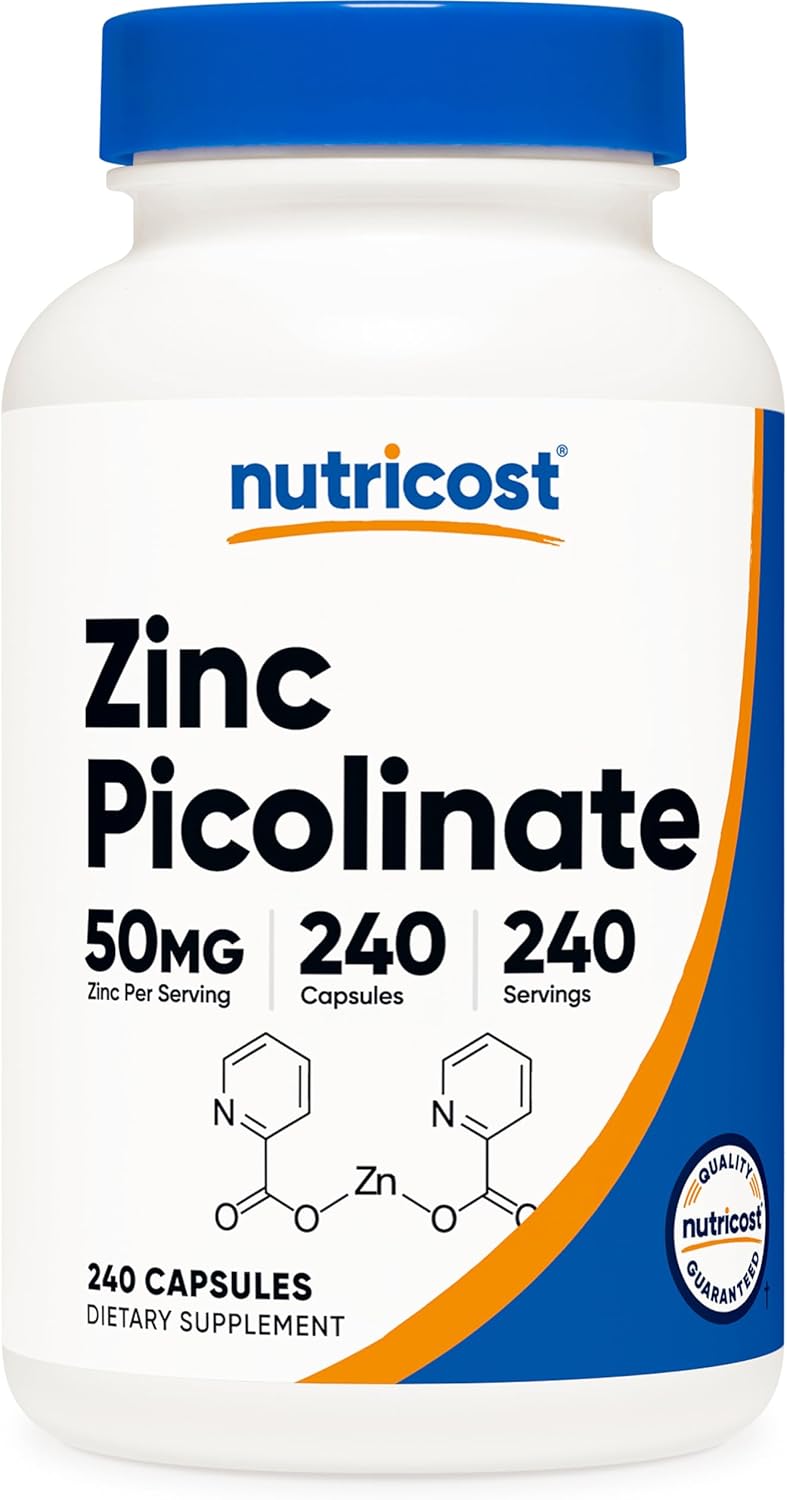
Zinc Picolinate - $14.95
One mineral hard at work behind the scenes is Zinc. Known for its role in immune function regeneration, Zinc Picolinate, an easily absorbed form of Zinc, aids enzyme functions essential in defeating common pathogens. Its essential functions keep skin, immune system, and hormone production ticking along smoothly.
What Our Team Actually Takes (And What the Bloodwork Shows)
At iVitaLab, the team runs comprehensive immune panels twice per year, including NK cell activity, T-cell subset counts, and standard inflammatory markers (CRP, IL-6). Here's what actually moved our numbers versus what we dropped after the data disappointed us.
Vitamin D3: The one everyone is deficient in. When our team first ran vitamin D levels, 4 of 5 members were below 40 ng/mL - technically "sufficient" by most lab ranges, but below the 50-80 ng/mL range associated with optimal immune function in the research literature. We supplemented with 5,000 IU D3 daily alongside K2 (100mcg). After 90 days, all team members hit the 55-70 ng/mL range. NK cell activity scores improved measurably in the two members who had the lowest baseline D levels. We consider this the single highest-leverage immunity supplement for the majority of people because deficiency is so prevalent and the correction is so straightforward.
Zinc: The dosing question matters. Zinc Picolinate at 25mg/day is our protocol. Zinc gluconate and zinc citrate are cheaper but have lower bioavailability - the picolinate form is absorbed more efficiently, which means you can maintain adequate serum zinc on a lower dose with less risk of the nausea that comes from higher-dose zinc supplementation. We do not supplement zinc daily year-round; the team uses it during high-risk windows (fall/winter, periods of high travel or stress) and cycles off during summer months. Long-term high-dose zinc supplementation depletes copper levels, which creates its own problems - this is why zinc with copper is a common stack.
AHCC: The honest nuance. AHCC has stronger evidence than most mushroom supplements - the NK cell activity research, particularly the work out of the University of Texas at Houston, is legitimate. Our team has been on AHCC at 3g/day during cold and flu season for two years. We can't run a controlled trial on ourselves, but our sick days (tracked in our work logs) dropped by roughly half compared to the two years prior. That's not clinical evidence, but it's the kind of real-world data we pay attention to. We stopped taking it during summer months and illness frequency tracked back up in the three fall months after stopping. We're back on it.
What didn't work: Elderberry, Echinacea, and "immune blend" products. We trialed both for one full cold and flu season each. Elderberry had no measurable impact on NK cell activity or CRP levels in our team. Echinacea produced two allergic reactions in team members with ragweed sensitivities (botanically related, common issue). Neither produced the bloodwork changes we saw from D3 and zinc. We stopped using both and removed them from our recommendations.
Points to Keep In Mind
Supplements provide proactive immune support, not a substitute for baseline health. The team's consistent finding: supplementation works best on top of 7+ hours of sleep and below-average inflammatory load. If your lifestyle is generating high chronic inflammation (poor sleep, high stress, processed food diet), no supplement stack will overcome that foundation. Fix the baseline, then layer in targeted supplements.
Adapt to Protect
From synergistic Vitamin D3 and K2 duos to immune-boosting mushrooms and potent Zinc, keep your defenses ready and effective with our showcase of immunity supplements.