We started testing our biological ages because we wanted an actual measurement - not a feeling, not a theory. The difference between your chronological age and your biological age is one of the most actionable numbers in longevity. Here's how we test it, what the results have taught us, and which supplements have actually moved our numbers over time.
Quick Answer
- DNA methylation clocks are the gold standard: TruDiagnostic's TruAge test (~$300) measures epigenetic age from blood spots
- GrimAge predicts mortality best: of the available clocks, GrimAge most strongly correlates with actual disease and death incidence
- Supplements that affect the relevant pathways: NAD+ precursors, resveratrol, and TMG all influence DNA methylation and sirtuin activity
- Lifestyle factors dominate: sleep, exercise, and diet move the needle more than supplements alone
Understanding Epigenetic Clocks: What They Actually Measure
Your chronological age is how long you've been alive. Your biological age reflects how rapidly your cells have been aging at the molecular level. The most precise way to measure biological age currently is through DNA methylation patterns, which change in predictable ways as we age at thousands of specific sites across the genome. These patterns, called the methylome, are influenced by genetics, lifestyle, environment, and disease.
Steve Horvath at UCLA discovered in 2013 that by measuring methylation at 353 specific CpG sites (locations on DNA where methylation occurs), you could predict chronological age with remarkable accuracy. That's the Horvath clock. Subsequent clocks (Hannum, PhenoAge, GrimAge) have refined the approach to better predict not just age but biological function and mortality risk. GrimAge, developed in 2019, incorporates plasma protein levels alongside methylation data and has the strongest correlation with actual cause-specific mortality in prospective studies.
The practical implication: if you're 50 chronologically and your GrimAge shows 44, you have a lower risk of mortality and age-related disease than your calendar age would suggest. If it shows 57, you're aging faster than average and have measurable room to intervene. This is the first tool that lets individuals track their aging rate numerically and change their behavior based on data rather than guessing.
How to Get Tested: What's Available and What It Costs
TruDiagnostic (trudiagnostic.com) is the most widely used consumer epigenetic testing service as of 2026. Their TruAge Complete test costs approximately $300-350 and measures multiple clocks simultaneously, including Horvath, Hannum, PhenoAge, and GrimAge. You order a kit, do a blood spot collection at home, mail it back, and receive results within 2-3 weeks. The test requires a physician to order through some platforms or can be ordered directly through TruDiagnostic's consumer portal.
Other options: Elysium Health's Index test (uses the Horvath clock), Foxo BioScience (genomic longevity profiling), and some functional medicine physicians order through Quest Diagnostics. Repeat testing every 6-12 months lets you track whether your interventions are working. The cost is $300-400 per test, which is meaningful but reasonable for serious longevity practitioners who want real feedback rather than guesses.
For those who can't justify the full epigenetic test cost, proxy biomarkers that correlate with biological aging are available through standard blood work: homocysteine, CRP, Lp(a), ferritin, fasting insulin, and HbA1c can all be measured for $100-150 through direct lab services like LabCorp or Quest patient portals. These don't give you an epigenetic age number, but they tell you whether the key inflammation and metabolic markers underlying accelerated aging are in the right range.
The Supplements with Evidence for Moving Epigenetic Age
Let us be precise about what we know versus what we're reasonably inferring. Direct randomized trials showing that specific supplements reduce epigenetic age (as measured by methylation clocks) are limited. Most of what we know comes from mechanistic research showing that certain compounds affect pathways the clocks measure.
NAD+ precursors (NR, NMN) increase NAD+ availability, which activates SIRT1 and SIRT3, the sirtuin deacetylases that remove acetyl groups from histones. SIRT1 specifically affects DNA methylation patterns and is directly involved in maintaining the epigenetic marks that aging disrupts. Higher NAD+ means more sirtuin activity means better maintained epigenetic marks. The Fitzgerald et al. 2021 clinical trial, while testing a dietary and lifestyle protocol rather than isolated supplements, included methylfolate and methylcobalamin as part of an intervention that produced epigenetically younger results. This supports the idea that methylation support directly affects clock measurements.
Resveratrol has long been linked to SIRT1 activation. Trans-resveratrol at high doses specifically activates SIRT1 and affects the DNA methylation machinery that epigenetic clocks read. The effect in cell studies is clear. Whether supplemental doses in humans (especially given absorption challenges) achieve meaningful SIRT1 activation at the tissue level is less certain, but the mechanistic pathway is direct.
TMG (trimethylglycine) directly supports the methylation cycle that determines DNA methylation patterns. The methylome clocks measure methylation. TMG, methylfolate, methylcobalamin, and other methyl donors feed the one-carbon metabolism that writes and maintains methylation marks. If anything directly influences methylation clock readings through supplementation, methyl donors are the most direct candidate.
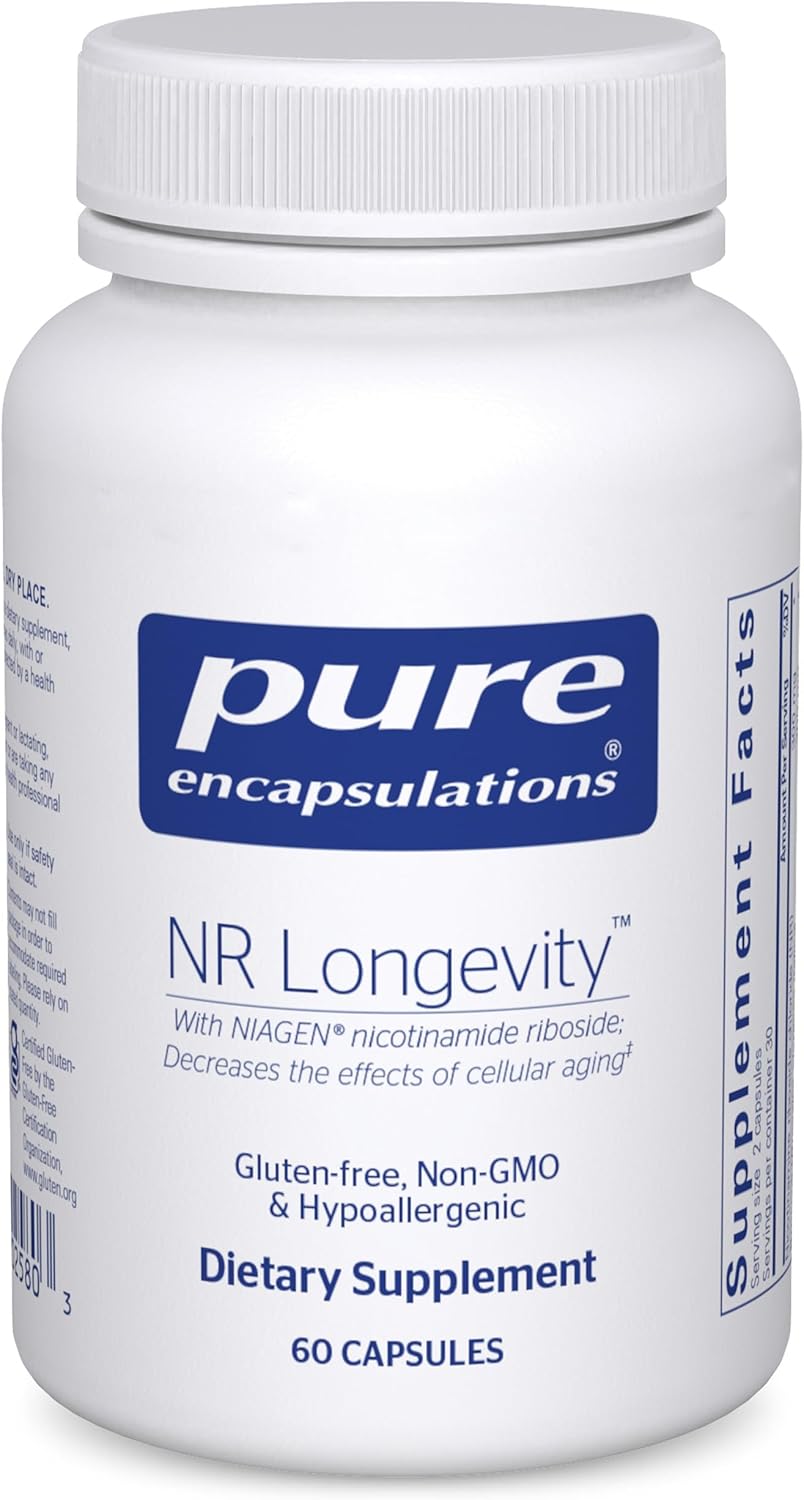
Pure Encapsulations NR Longevity NAD+
Pharmaceutical-grade NR complex, the NAD+ pathway anchor for longevity stacks
$65.00
Check Price on Amazon →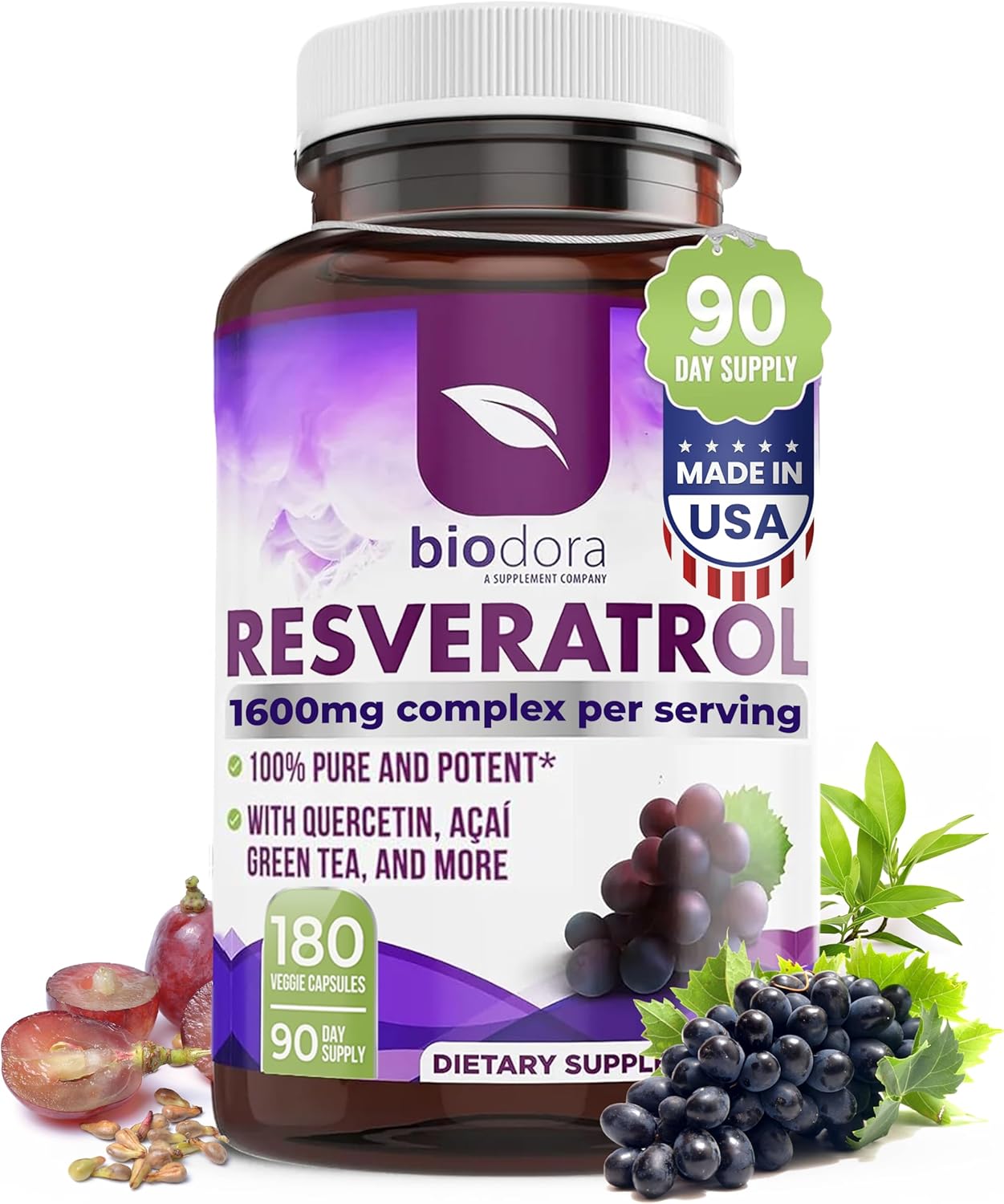
Biodora Resveratrol 1600mg Complex
High-dose resveratrol polyphenol complex, SIRT1 activating pathway
$39.99
Check Price on Amazon →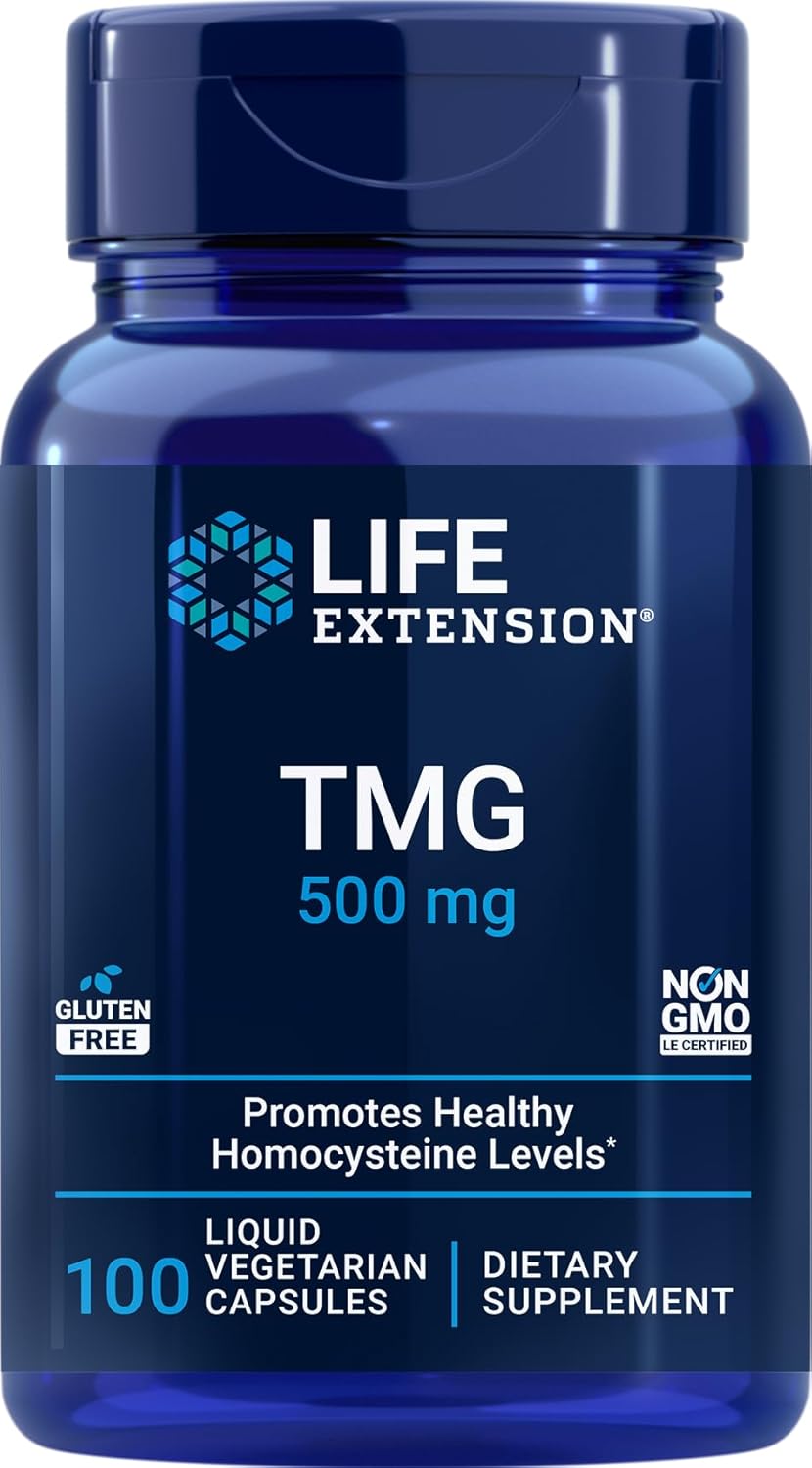
Life Extension TMG 500mg
Trimethylglycine, methyl donor for DNA methylation and NAD+ support
$19.95
Check Price on Amazon →What Moves the Number Most
If we had to rank the interventions with the most evidence for reducing epigenetic age: consistent sleep (7-9 hours, regular schedule), aerobic exercise (150+ minutes weekly of moderate-vigorous activity), caloric restriction or time-restricted eating, Mediterranean-style diet with high polyphenol intake, and not smoking. These lifestyle factors consistently outperform supplements in the available research on epigenetic age. Supplements work best as additions on top of these foundations, not as substitutes.
The realistic expectation from a well-designed supplement stack (NR + TMG + resveratrol, combined with the foundational D3/K2/magnesium/omega-3) is that you're supporting the right pathways and potentially reducing the rate of epigenetic drift. Expecting to shave 5 years off your biological age purely through supplements while sleeping 5 hours and eating poorly is not what the evidence supports. Using supplements as part of a genuinely comprehensive approach to aging, where lifestyle is the foundation and supplements fill specific mechanistic gaps, is where the evidence says real results happen.
Frequently Asked Questions
What is the most accurate biological age test?
DNA methylation clocks (epigenetic clocks) are currently the most accurate biological age predictor. GrimAge in particular shows the strongest correlation with actual mortality and disease incidence. Tests are available through companies like TruDiagnostic for $200-400.
Can supplements actually lower biological age?
Some evidence exists. A 2021 study showed that an intervention including methyl donors and other nutrients reduced epigenetic age by an average of 3.23 years versus placebo. NAD+ and resveratrol affect pathways that epigenetic clocks measure, but direct RCT evidence for specific supplements reducing methylation age is still limited.
What lifestyle factors have the strongest effect on biological age?
Smoking, obesity, sleep deprivation, and chronic inflammation accelerate biological aging most dramatically. Exercise, caloric restriction or time-restricted eating, Mediterranean diet patterns, and adequate sleep are the lifestyle factors most consistently associated with younger biological age. Supplements work as additions to these foundations, not replacements.