TMG entered our stack not as a longevity play on its own, but as a necessary support for the NAD+ precursors we were already taking. Once we understood that NR and NMN consume methyl groups as a metabolic byproduct - and that depleted methylation raises homocysteine - this became non-negotiable. At $20 a month, it's the easiest decision in our stack.
Quick Answer
- NAD+ synthesis consumes methyl groups: NR and NMN supplementation increases demand for methyl donors through the NNMT enzyme pathway
- Methylation affects mood, energy, and DNA: deplete it and you get fatigue, irritability, and cognitive symptoms
- TMG is the most efficient methyl donor: provides three methyl groups per molecule and converts homocysteine to methionine
- It's cheap: $19.95 for 200 capsules, less than $10 per month at standard doses
The Methylation Problem Hidden in Your NAD+ Supplement
When nicotinamide (the core of NR and NMN) is converted to NAD+ and then used by enzymes in your cells, it produces nicotinamide as a byproduct. Your body then handles this nicotinamide through an enzyme called NNMT (nicotinamide N-methyltransferase), which methylates the nicotinamide to allow its excretion. Each methylation step uses a methyl group from SAM (S-adenosylmethionine), the body's primary methyl donor.
SAM is central to dozens of critical biochemical processes: DNA methylation (epigenetic regulation), neurotransmitter synthesis (including serotonin, dopamine, adrenaline), detoxification pathways, gene expression control, and more. When you substantially increase NAD+ precursor throughput via supplementation, you increase the demand on this methylation system. Without replenishing the methyl pool, the system can gradually become depleted.
The symptoms of methyl depletion look a lot like the opposite of what NAD+ supplementation should produce: fatigue, brain fog, irritability, sleep disruption, and mood changes. Some people notice this within weeks of starting high-dose NAD+ supplements; others take months. Either way, it's a real, correctable problem that most product marketing never mentions.
Why TMG Is the Best Methyl Donor for This Purpose
There are multiple methyl donors: methionine, SAM directly, methylfolate, methylcobalamin (B12), and betaine (TMG). For the specific purpose of methyl repletion in a NAD+ protocol, TMG is the most efficient and practical choice for several reasons. First, TMG directly donates a methyl group to homocysteine, converting it to methionine in a reaction catalyzed by betaine-homocysteine methyltransferase (BHMT). This is a high-capacity, high-flux pathway that can process large amounts of methyl groups efficiently.
Second, TMG provides three methyl groups per molecule (hence trimethylglycine), making it methyl-dense. Third, it's stable, well-absorbed, and inexpensive. Fourth, unlike methylfolate or methylcobalamin, which are more carefully titrated for methylation cycle support in people with MTHFR variants, TMG can be taken at higher doses without the overmethylation symptoms that some people experience with high-dose methyl B vitamins.
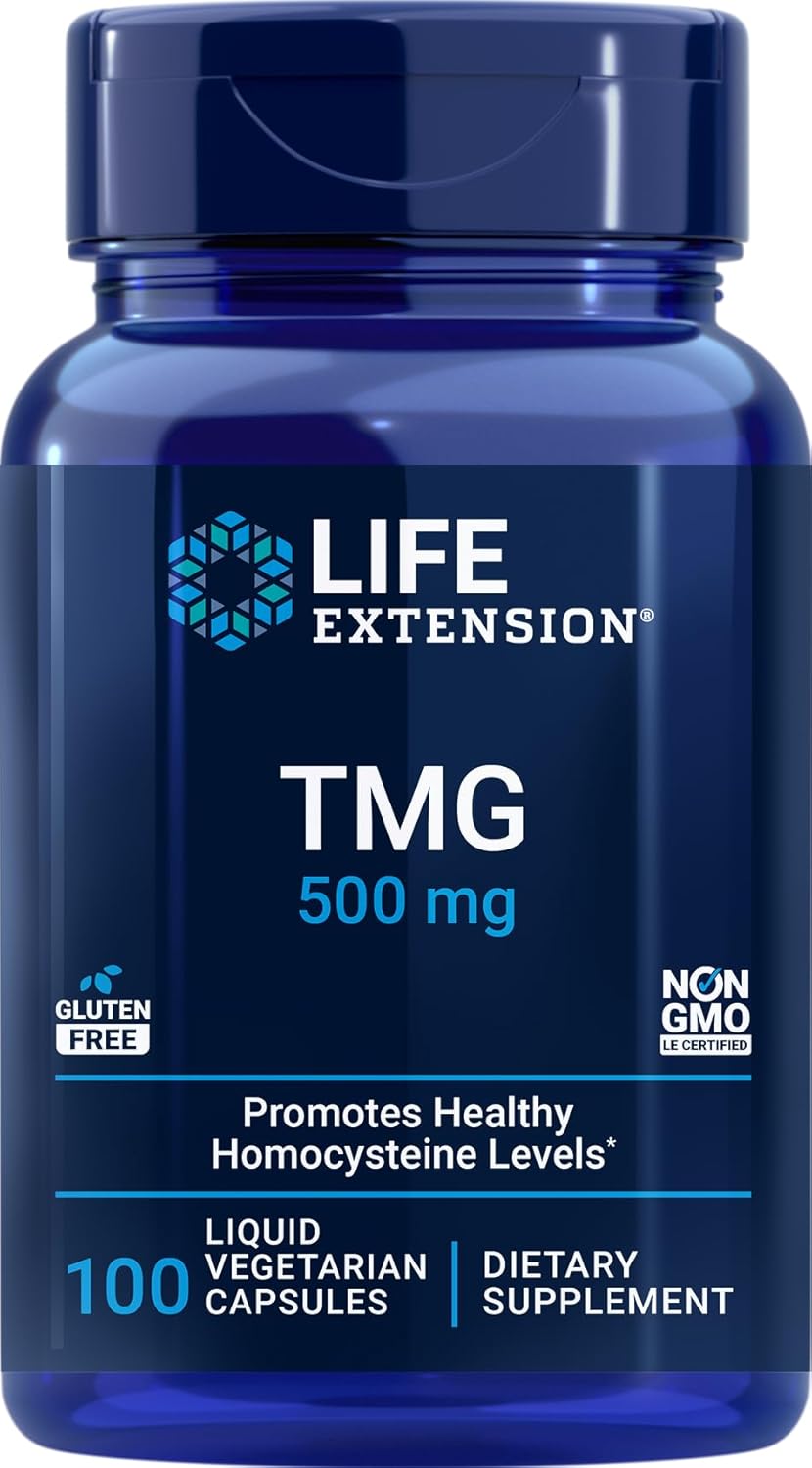
Life Extension TMG 500mg
Trimethylglycine 500mg per capsule, 200 capsules, pharmaceutical grade
$19.95
Check Price on Amazon →The Homocysteine Benefit: A Bonus Beyond NAD+ Support
TMG's role in converting homocysteine to methionine has significant cardiovascular implications. Elevated homocysteine is a recognized cardiovascular risk factor, associated with endothelial dysfunction, arterial stiffness, and increased thrombosis risk. It's also strongly associated with cognitive decline and dementia risk. Multiple meta-analyses have confirmed that TMG supplementation meaningfully reduces homocysteine levels.
A clinical trial in individuals with elevated homocysteine found that 6 grams of betaine (TMG) daily for 6 weeks reduced plasma homocysteine by 20%. Smaller reductions occur at lower doses. For people with elevated homocysteine (ideally below 10 umol/L, with higher levels increasingly concerning), TMG supplementation has a second reason to be taken beyond its role as a NAD+ complement.
This is why we describe TMG as pulling double duty: it insures your methylation capacity while you run a NAD+ protocol, and it simultaneously addresses one of the more reliable cardiovascular and cognitive risk markers. At $19.95 for 200 capsules (6-7 months at one capsule daily), it's one of the most cost-effective supplements in this space.
How I Use It and When to Take It
We take 500mg of TMG with breakfast at the same time as our NR supplement. Taking them together ensures methyl replenishment is happening in close timing to the NAD+ synthesis demand. Some practitioners recommend 1000mg for people taking higher doses of NAD+ precursors (500mg+ of NR or NMN daily). If you feel any fatigue, mood changes, or brain fog within 4-6 weeks of starting an NAD+ precursor, increasing TMG to 1000mg is the first thing to try before assuming the NAD+ supplement isn't working.
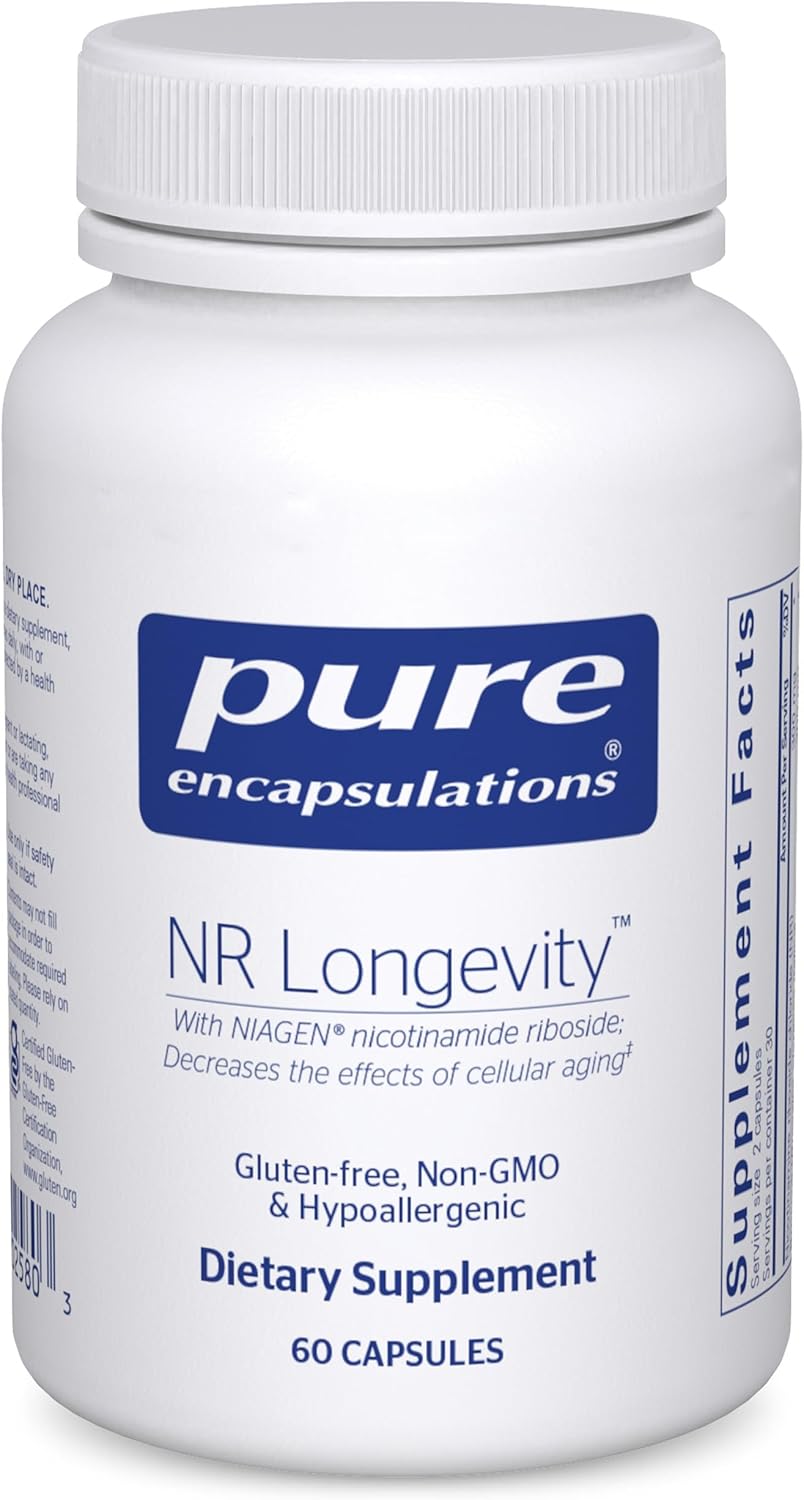
Pure Encapsulations NR Longevity NAD+
Nicotinamide riboside complex, pharmaceutical-grade, pairs with TMG
$65.00
Check Price on Amazon →Frequently Asked Questions
What is TMG and why is it important for NAD+ users?
TMG (trimethylglycine) is a methyl donor that provides methyl groups for biochemical reactions. NAD+ synthesis and recycling consumes methyl groups, and running high-dose NR or NMN without methyl support can deplete your methylation capacity over time. TMG replenishes those methyl groups efficiently and cheaply.
Does TMG lower homocysteine?
Yes. TMG donates a methyl group to homocysteine (converting it to methionine), directly reducing homocysteine levels. Elevated homocysteine is a well-established cardiovascular risk factor and is associated with cognitive decline. Multiple clinical trials have confirmed that TMG supplementation significantly reduces homocysteine levels.
What dose of TMG should we take?
For general methylation support and NAD+ pairing, 500-1000mg daily is appropriate. For significant homocysteine reduction in people with elevated levels, 1500-3000mg daily has been used in trials. Start at 500mg once daily with breakfast and increase if needed based on blood markers.