Senolytics - compounds that help clear out dysfunctional aging cells - are one of the most exciting areas in longevity research right now. Quercetin is the most accessible entry point into that category. Our team started tracking the senolytic research seriously about two years ago, and quercetin has stayed near the top of what we'd recommend to someone building their first longevity stack.
Quick Answer
- Senolytic mechanism: quercetin disrupts the survival pathways that keep zombie cells alive, triggering their apoptosis
- Pulse dosing for senolysis: 500-1000mg for 2 days per month is the protocol used in research, not daily dosing
- Stack with pterostilbene: complementary pathways amplify the anti-aging benefit
- Also an anti-inflammatory: daily lower doses support immune regulation and reduce chronic inflammation markers
What Senescent Cells Are and Why They Matter
Every cell in your body has a built-in replication limit, determined by the shortening of telomeres with each division. When a cell reaches that limit, or when it experiences significant DNA damage, it can enter senescence: a state where it stops dividing, avoids apoptosis (normal cell death), and begins producing what researchers call the senescence-associated secretory phenotype (SASP). The SASP includes inflammatory cytokines, matrix metalloproteinases, and growth factors that chronically inflame surrounding tissue.
In youth, your immune system efficiently clears senescent cells. With age, the clearance rate slows while the accumulation rate increases. The result is a growing burden of senescent cells in tissues throughout the body, contributing to fibrosis, inflammation, and impaired tissue regeneration. The landmark 2016 study from the Mayo Clinic showed that removing senescent cells in aged mice using genetic tools extended their remaining lifespan by 25% and improved physical function and cognition. That result drove enormous interest in pharmacological senolytics that could replicate the effect without genetic manipulation.
The Clinical Evidence for Quercetin as a Senolytic
Quercetin came onto the senolytic radar partly because it was one of the compounds identified through a systematic screen of drugs and natural molecules for the ability to selectively kill senescent cells in culture. Combined with dasatinib (a chemotherapy drug), quercetin reduced senescent cell burden in multiple mouse models. The first human pilot trial, published in EBioMedicine in 2019, tested this combination in patients with idiopathic pulmonary fibrosis, a disease driven partly by senescent cell accumulation. The results showed meaningful reductions in senescent cell markers and improvements in physical function in just 3 weeks.
A 2021 study published in Journals of Gerontology tested quercetin plus dasatinib in diabetic kidney disease and found significant reductions in senescent cell markers alongside improvements in kidney function. These are small studies, and dasatinib is a prescription drug with significant side effects that isn't appropriate for healthy aging supplementation. But they validate the biological mechanism and support the use of quercetin specifically.
Quercetin alone (without dasatinib) has less direct senolytic trial data but has well-documented anti-inflammatory effects through NF-kB pathway inhibition, mast cell stabilization, and antioxidant activity that collectively reduce the inflammatory burden associated with senescent cell accumulation.
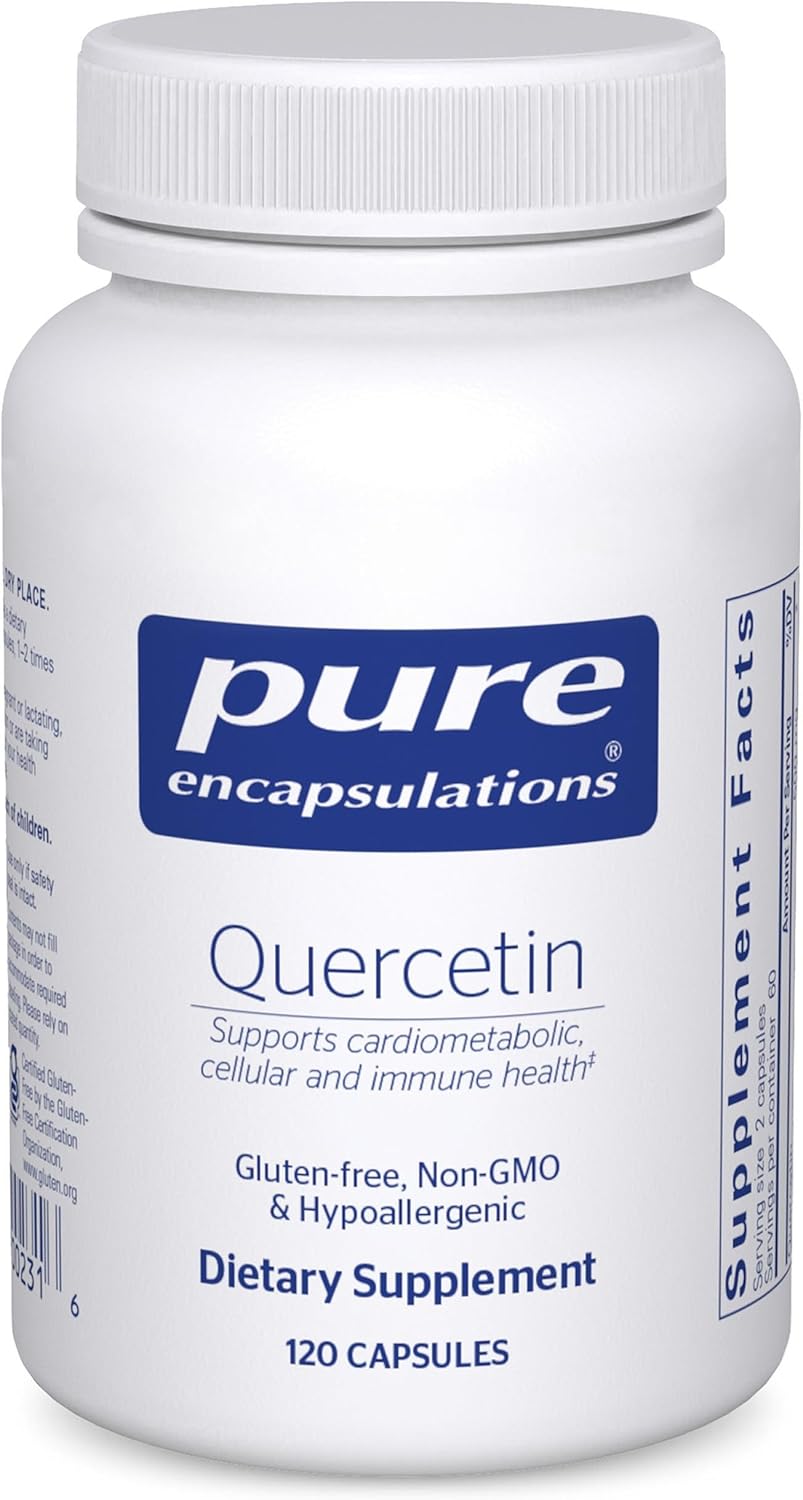
Pure Encapsulations Quercetin 500mg
500mg quercetin per capsule, hypoallergenic, no artificial fillers
$50.50
Check Price on Amazon →The Pterostilbene Stack for Enhanced Effect
Pterostilbene is a methylated form of resveratrol that crosses the blood-brain barrier more efficiently and activates SIRT1, the longevity sirtuin that quercetin doesn't directly target. The two compounds work through complementary but non-overlapping pathways: quercetin through NF-kB suppression and direct senolytic activity, pterostilbene through SIRT1 activation and AMPK signaling. Together, they cover more longevity-relevant ground than either alone.
This combination is not just theoretical marketing synergy. Both compounds are flavonoids and polyphenols that appear in the same plants and foods, which suggests they evolved to work together. At $21.99 for a month's supply of Jarrow's trans-Pterostilbene, adding it to a quercetin protocol is one of the cheaper longevity upgrades available.
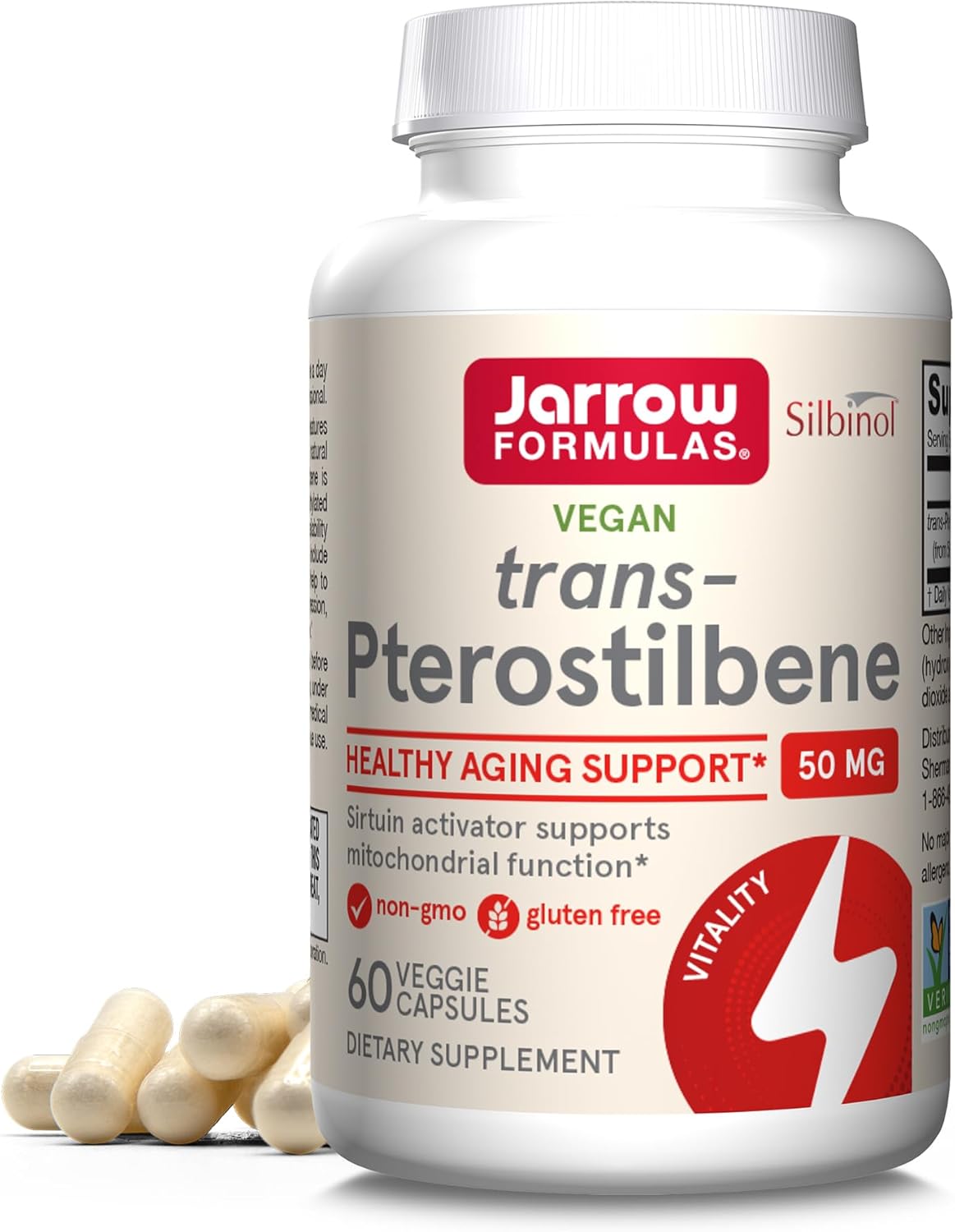
Jarrow Formulas trans-Pterostilbene 50mg
pTeroPure brand pterostilbene, 50mg per capsule, SIRT1 activator
$21.99
Check Price on Amazon →Dosing: Daily Anti-Inflammatory vs Pulse Senolytic Protocol
Quercetin is used in two distinct ways depending on the goal. For general anti-inflammatory and antioxidant support, 250-500mg daily is the common approach. This fits into a daily supplement routine easily, and the NF-kB inhibition and antioxidant effects are dose-related. You don't need to cycle for this purpose.
For senolytic effect specifically, the research points toward pulse dosing: higher doses taken intermittently rather than continuously. The rationale is that senolytic activity requires sufficient quercetin concentration to push senescent cells into apoptosis, and that clearance happens over days rather than requiring daily exposure. A common protocol is 1,000mg for 2 consecutive days per month. Some longevity practitioners use a 5-days-on, 2-weeks-off approach. The honest answer is that we don't have definitive human dose-response data for senolysis yet, so these protocols are educated extrapolations from cell and animal data.
Quercetin absorbs better with fat. Always take it with a fatty meal. Bioavailability from standard quercetin supplements is modest (roughly 50-60%), but pairing with bromelain or piperine can improve absorption significantly.
Frequently Asked Questions
What is a senolytic and how does quercetin work as one?
A senolytic is a compound that selectively kills senescent cells, also called zombie cells. These are cells that have stopped dividing but haven't died, and they secrete inflammatory signals that damage surrounding tissue. Quercetin disrupts the survival signals that keep senescent cells alive, causing them to undergo apoptosis.
How should we take quercetin as a senolytic?
Senolytic protocols typically use pulse dosing rather than daily dosing: 500-1000mg of quercetin for 2 consecutive days per month, rather than every day. This mimics the way clinical researchers have used it. Daily quercetin use at lower doses (250-500mg) is also common for general anti-inflammatory and antioxidant purposes.
Does quercetin pair well with other supplements?
Quercetin pairs synergistically with pterostilbene, which activates SIRT1 and AMPK pathways that complement quercetin's senolytic and anti-inflammatory effects. Some longevity practitioners also stack quercetin with fisetin for enhanced senescent cell clearance.