L-Carnitine kept appearing in two separate areas of research our team was tracking: fat metabolism and cardiac function. That crossover - a compound showing up in both performance and longevity literature - tends to get our attention. What we found when we dug in was a more evidence-backed supplement than its fitness-marketing reputation would suggest.
Quick Answer
- Fat transport, not fat burning magic: carnitine shuttles fatty acids into mitochondria; supplementing it only helps if you're deficient or exercising hard
- Strong cardiac evidence: improves heart failure outcomes, reduces post-heart attack complications, and supports cardiac energy production
- Exercise recovery: reduces muscle soreness and damage markers after high-intensity exercise
- TMAO concern is real but nuanced: gut bacteria can convert carnitine to a cardiovascular risk marker
The Fat Transport Mechanism: Reality vs Marketing
L-carnitine's role in fat metabolism is real and specific: it's the transporter that carries long-chain fatty acids across the inner mitochondrial membrane so they can be burned for energy. Without carnitine, fat can't enter the mitochondria. That's the mechanistic basis for the fat burning claims. The problem is that most people produce sufficient carnitine endogenously (primarily in the liver and kidneys from lysine and methionine) and get additional carnitine from dietary meat. Unless you're carnitine deficient, supplementing more doesn't necessarily increase the rate of fat oxidation.
The research is more nuanced. A 2016 systematic review and meta-analysis in the Journal of Nutrition found that L-carnitine supplementation produced modest but statistically significant weight loss in overweight and obese subjects. However, the effect size was relatively small (approximately 1kg more than placebo) and most positive trials involved some exercise intervention. Carnitine appears to improve the efficiency of fat oxidation during exercise, meaning it helps more for people who are actually exercising than for sedentary supplementers expecting the fat to disappear on its own.
The Cardiac Evidence: Where Carnitine Really Shines
The heart is the organ with the highest carnitine concentration in the body, and for good reason: the heart muscle primarily runs on fatty acid oxidation, which requires carnitine. Under ischemic conditions (reduced blood flow) or in heart failure, cardiac carnitine levels drop, impairing the heart's ability to produce ATP from fat. Supplemental carnitine under these conditions is genuinely therapeutic, not just supportive.
A major 2013 meta-analysis published in Mayo Clinic Proceedings pooled 13 controlled trials involving 3,629 patients and found that carnitine significantly reduced all-cause mortality, ventricular arrhythmias, and angina after heart attack compared to controls. Arrhythmias were reduced by 65% and angina by 40%. These are clinical outcomes, not surrogate markers. For patients with established coronary disease or heart failure, the evidence for carnitine supplementation is substantially stronger than most cardiologists acknowledge in practice.
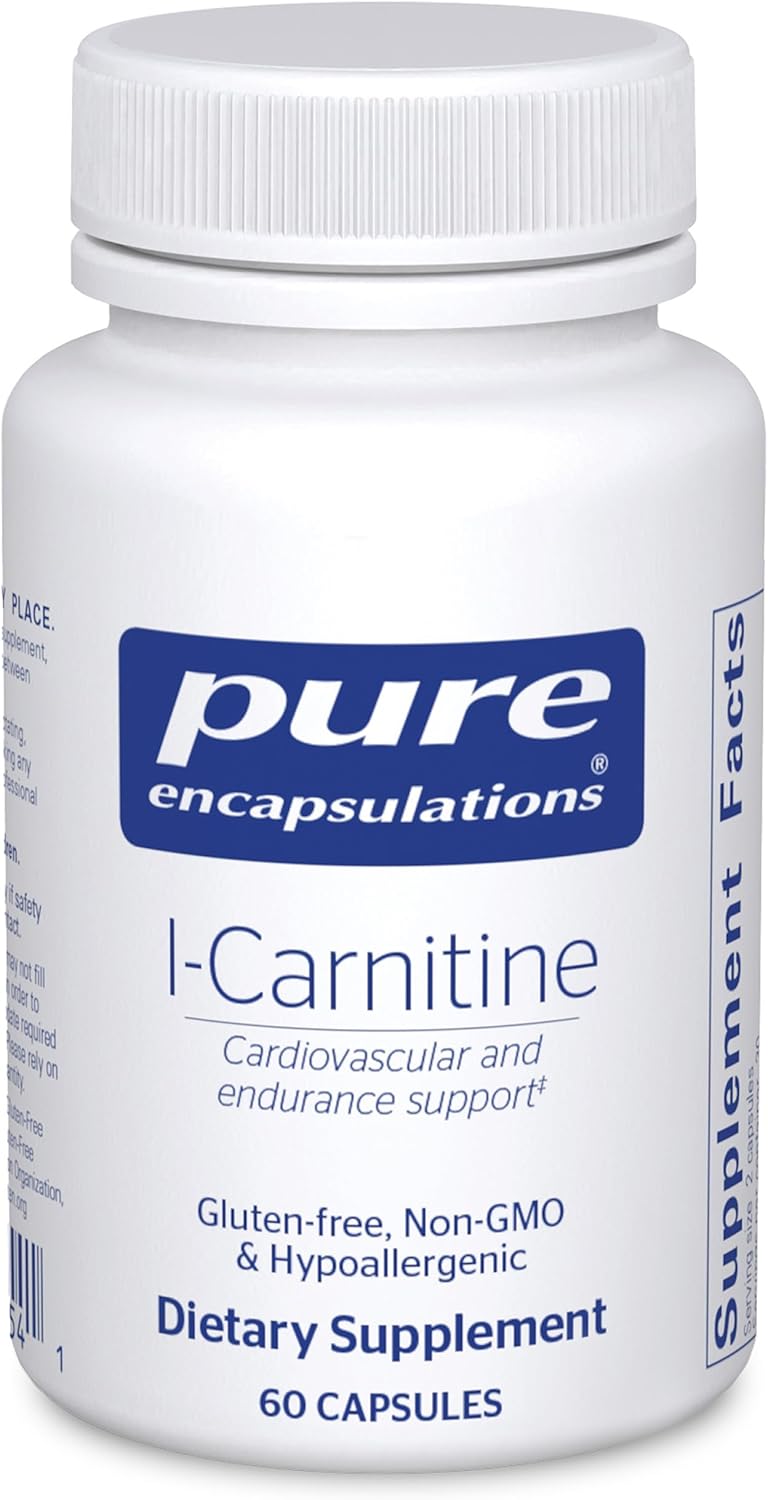
Pure Encapsulations L-Carnitine
Free-form L-carnitine, hypoallergenic, pharmaceutical grade
$52.50
Check Price on Amazon →Exercise Recovery: A Solid Secondary Use
Multiple randomized trials have confirmed that L-carnitine supplementation reduces exercise-induced muscle damage markers (creatine kinase, myoglobin) and reduces perceived muscle soreness after high-intensity exercise. The mechanism involves carnitine's role in acetyl-CoA buffering, which reduces the accumulation of metabolic waste products in muscle tissue during intense exertion.
A 2015 study found that 2g of L-carnitine daily for 3 weeks before a demanding exercise protocol significantly reduced markers of oxidative stress and muscle damage compared to placebo. Athletes who train at high volume or intensity, particularly masters athletes (over 40) whose natural carnitine synthesis and absorption from diet may be declining, are the population most likely to feel the recovery effect. This isn't a dramatic performance enhancer; it's more of a recovery smoother that shows up over weeks of consistent training.
The TMAO Question: Worth Understanding
In 2013, a study published in Nature Medicine found that gut bacteria convert L-carnitine (and choline) to trimethylamine (TMA), which the liver then converts to TMAO (trimethylamine N-oxide). Elevated TMAO was associated with increased cardiovascular risk in this study. This generated significant media attention and concern about carnitine supplementation.
The picture is more complicated than the headlines suggested. TMAO production from carnitine varies enormously based on gut microbiome composition. Vegans and vegetarians, who lack the carnitine-metabolizing bacteria due to low meat intake, produce dramatically less TMAO from carnitine supplements than omnivores. Additionally, the association between TMAO and cardiovascular risk may reflect the underlying dietary pattern (high red meat consumption) rather than TMAO itself being directly causal. The data isn't settled, but the concern is worth noting, particularly for omnivores supplementing at high doses long-term.
Frequently Asked Questions
Does L-carnitine actually burn fat?
L-carnitine is essential for transporting long-chain fatty acids into mitochondria for oxidation, but most people's bodies produce enough carnitine for normal fat metabolism. Research on supplemental L-carnitine for weight loss is mixed: a 2016 meta-analysis found modest but significant effects on body weight in overweight subjects, but the mechanism requires exercise to work optimally. Without exercise, supplemental carnitine doesn't meaningfully accelerate fat loss.
Is the TMAO concern about L-carnitine legitimate?
A 2013 study raised concern that gut bacteria convert carnitine to TMAO, a compound associated with cardiovascular risk. This is a real phenomenon, but its clinical significance is debated. The TMAO effect is most pronounced in people with certain gut microbiome compositions. Vegans and vegetarians produce much less TMAO from carnitine than omnivores.
What are the best uses of L-carnitine beyond weight loss?
The evidence for L-carnitine is strongest for heart failure (improving exercise tolerance and cardiac function), peripheral arterial disease (reducing pain and improving walking distance), male infertility (improving sperm quality), and recovery from heart attacks. A 2013 meta-analysis found carnitine significantly reduced arrhythmias and angina post-MI.