The probiotic supplement market is enormous and largely confusing. Products range from $10 capsules at the grocery store to $80 specialized formulas, and the marketing for most of them is identical: billions of CFUs, diverse strains, improved gut health, better immunity. What most of these labels do not tell you is which strains are actually present in viable amounts, whether those strains survive your stomach acid, or whether there is any clinical evidence that they do what the bottle claims.
Here at iVitaLab, we reviewed the current evidence and identified the key variables that separate effective probiotic supplementation from expensive theater. This guide covers what CFU counts actually mean, why strain selection matters more than the number, the case for spore-based and next-generation probiotics, and how to choose the right product for your specific goals.
Quick Answer: What Actually Matters in a Probiotic
- Strain specificity over CFU count: A 10B CFU product with the right strains beats 100B CFU of poorly chosen ones.
- Survival matters: Strains must reach the colon alive. Enteric coating, spore-based strains, or verified shelf-stability are key markers.
- Akkermansia is a category apart: The keystone mucus-layer bacterium that most standard probiotics do not include at all.
- Prebiotics amplify results: Probiotics without prebiotic fiber or dietary fiber support have a shorter colonization window.
- Third-party testing is essential: Many probiotic products fail to contain the strains or CFU counts stated on the label at expiry.
- Refrigerated vs shelf-stable: Depends entirely on the strains used, not a quality indicator by itself.
CFU Counts: What They Mean and What They Don't
CFU stands for colony-forming units, a measure of viable bacteria in a dose. It sounds like more CFUs always means better results, but this framing misses the point entirely.
The clinical evidence for most probiotic outcomes sits in the 1 billion to 50 billion CFU range. Trials at 100 billion CFU have been run, but they do not consistently produce better outcomes than well-formulated 10 billion CFU products. The reason is simple: survival to the colon, not the dose at the capsule, determines effectiveness.
Standard Lactobacillus and Bifidobacterium strains face a hostile journey from capsule to colon. Stomach acid (pH 1.5 to 3.5) kills a large percentage before they reach the small intestine. Bile salts in the duodenum kill more. The result is that a product listing 50 billion CFU may deliver 2 to 5 billion viable cells to the colon, while a product listing 10 billion CFU in enteric-coated capsules or spore form may deliver more viable cells to the same destination.
What to look for: CFU count guaranteed at expiry (not at manufacture), enteric coating for Lactobacillus and Bifidobacterium products, or spore-forming strains that are inherently acid-resistant.
Strain Diversity: How Many Is Enough?
Multi-strain probiotics are marketed as superior to single-strain formulas, and the reasoning is intuitive: the gut microbiome contains hundreds of species, so more diverse supplementation should be better. The reality is more nuanced.
For specific therapeutic applications (antibiotic-associated diarrhea, IBS, infant colic), the strongest evidence is often for specific single strains, particularly Lactobacillus rhamnosus GG, Lactobacillus acidophilus NCFM, and Bifidobacterium longum BB536. Multi-strain formulas in these contexts sometimes dilute the effective dose of the strain with actual evidence.
For general gut health maintenance and microbiome diversity support, a multi-strain formula with 5 to 15 well-characterized strains covering both Lactobacillus and Bifidobacterium genera is a reasonable approach. The iVitaLab team's position: strain identity (the specific strain designation, not just the species) matters more than strain count. Always look for strains that are identified to the strain level, for example Lactobacillus acidophilus NCFM, not just "Lactobacillus acidophilus."
Spore-Based Probiotics: The Survival Advantage
Spore-forming bacteria, primarily Bacillus species, represent a fundamentally different category from Lactobacillus and Bifidobacterium products. Bacillus strains produce endospores under adverse conditions: dormant, highly protected structures that can survive extreme heat, stomach acid, bile salts, and even cooking temperatures. When the spore reaches the colon, environmental signals trigger germination and the bacteria become metabolically active.
The practical advantages are significant. Spore probiotics are genuinely shelf-stable at room temperature for their full shelf life. They have essentially 100% survival through the stomach acid barrier. They can be taken with or without food, with or without antibiotics (though timing matters), and require no refrigeration even after opening.
Clinically studied Bacillus strains include Bacillus coagulans IS-2, Bacillus subtilis HU58, and Bacillus clausii. Research shows these strains modulate the immune system, crowd out pathogenic bacteria through competitive exclusion, and produce short-chain fatty acids that feed the gut lining. For travelers, for people with irregular schedules, or for anyone who has found conventional probiotics inconsistent, spore-based products are the more reliable option.
Akkermansia Muciniphila: The Next-Generation Keystone Strain
Akkermansia muciniphila is in a category of its own. It is not a conventional probiotic strain and it cannot be manufactured using conventional probiotic processes. Akkermansia thrives in the mucus layer of the gut, where it feeds on mucin (the protein that makes up gut mucus) and in doing so, stimulates the gut to produce more mucus in response. This dynamic maintains the critical barrier between gut contents and the bloodstream.
Low Akkermansia abundance is one of the most consistent findings across metabolic disease research. It is associated with obesity, type 2 diabetes, non-alcoholic fatty liver disease, inflammatory bowel conditions, and colorectal cancer. Conversely, higher Akkermansia abundance is associated with better metabolic health markers, stronger gut barrier function, and reduced systemic inflammation.
The challenge has always been getting Akkermansia into a supplement form that works. Akkermansia is strictly anaerobic and cannot survive conventional freeze-drying or heat processes. The solution developed by researchers at UC San Diego, and now commercially available, is pasteurization: a precise heat treatment that kills live Akkermansia while preserving the surface proteins (primarily Amuc_1100) responsible for its bioactive effects. This pasteurized form has passed clinical trials showing it is safe and delivers the metabolic benefits of live Akkermansia.
The iVitaLab team found Stanis Labs Akkermansia Probiotic 320B CFU to be the standout product in this category. At 320 billion CFU equivalent of pasteurized Akkermansia muciniphila, it delivers a clinically relevant dose in a shelf-stable format. This is not the same as the conventional probiotics discussed above; it is a targeted intervention for gut lining integrity and metabolic health. For anyone with gut permeability concerns, metabolic syndrome, or suboptimal microbiome diversity, Akkermansia supplementation is one of the highest-leverage interventions in the probiotic space.
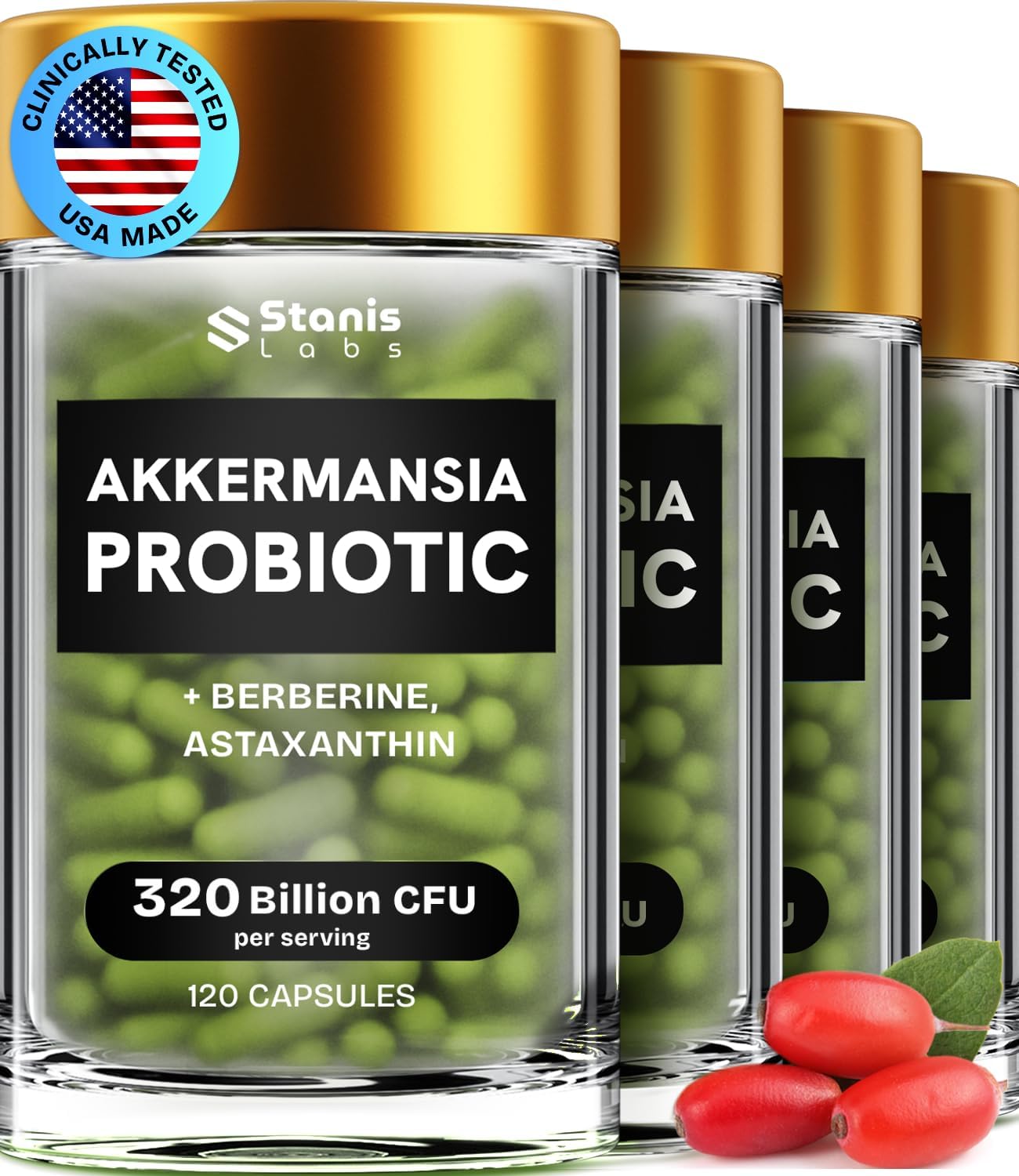
Stanis Labs Akkermansia Probiotic 320B CFU
320 Billion CFU pasteurized Akkermansia muciniphila · 30 capsules · Shelf-stable
$60.00
Check Price on Amazon →Prebiotics: Why Your Probiotics Need Fuel
Probiotics and prebiotics are not the same thing. Probiotics are live microorganisms. Prebiotics are the non-digestible fibers and compounds that feed beneficial bacteria in the colon. Without adequate prebiotic substrate, supplemented probiotic strains have a shorter colonization window and produce fewer short-chain fatty acids (SCFAs), the metabolic byproducts that do much of the work.
The primary prebiotic fibers with clinical evidence are inulin and FOS (fructooligosaccharides), GOS (galactooligosaccharides), and resistant starch. Lactulose and human milk oligosaccharides (HMOs) are more specialized. Dietary sources include garlic, onions, leeks, asparagus, chicory root, green bananas, and cooked-then-cooled potatoes and rice.
Symbiotic products (probiotics that include prebiotics in the same capsule) are a convenient format, but the doses of prebiotic fiber in most capsules are too small to matter much. Actual dietary fiber from whole food sources is far more impactful for microbiome diversity than the 200mg of inulin in a typical synbiotic capsule.
For comprehensive gut barrier support alongside probiotic supplementation, Pure Encapsulations Quercetin 500mg is a valuable addition. Quercetin is a flavonoid with well-documented effects on tight junction proteins, the molecular locks that control gut permeability. By strengthening the gut barrier from the inside, quercetin complements what Akkermansia achieves from the mucus layer side. The iVitaLab team uses this pairing specifically for gut integrity goals.
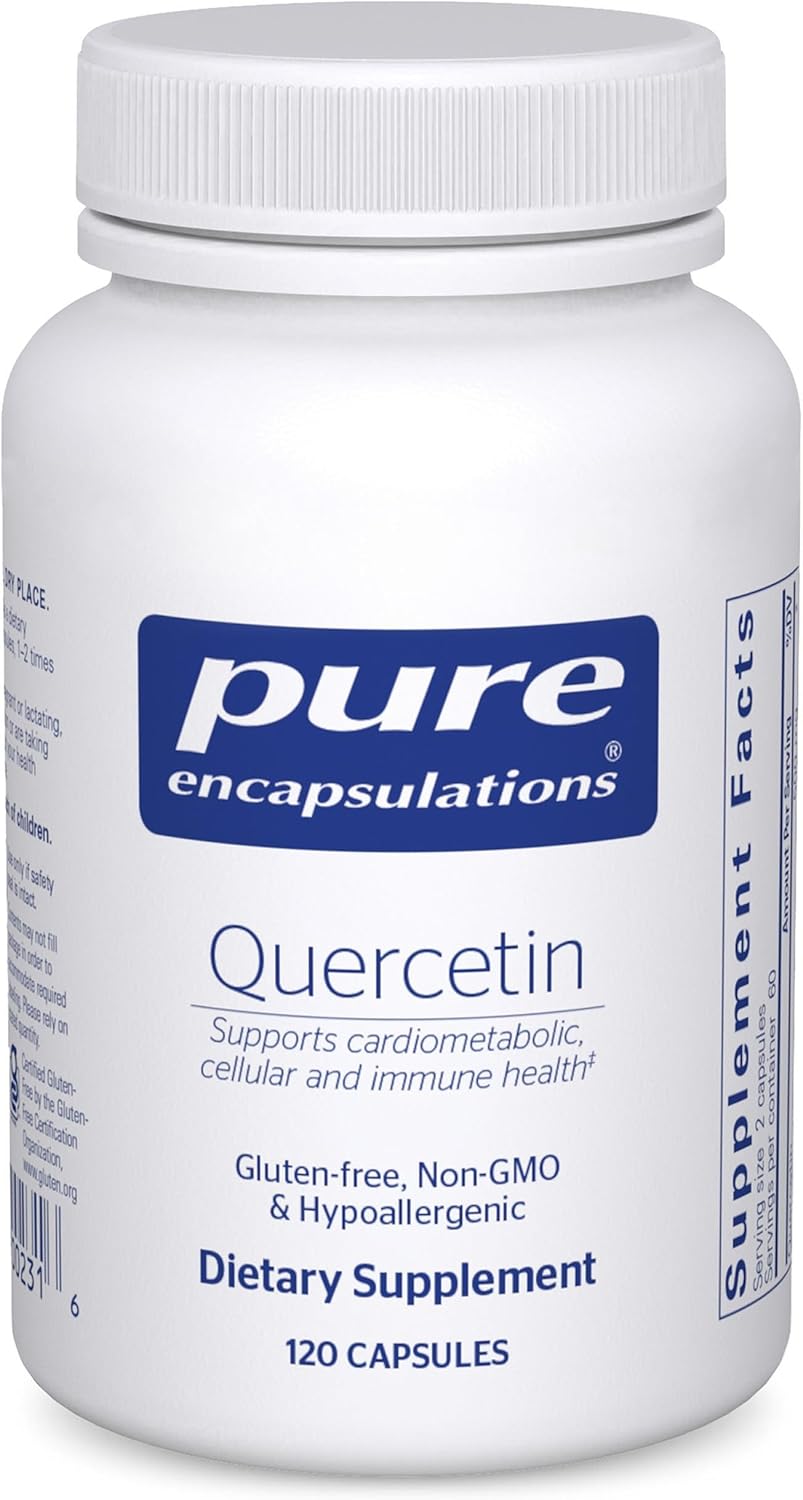
Pure Encapsulations Quercetin 500mg
Gut barrier, anti-inflammatory, senolytic · 60 capsules
$50.50
Check Price on Amazon →Probiotics for Immunity: The Gut-Immune Axis
Approximately 70% of the immune system is located in or around the gut, specifically in gut-associated lymphoid tissue (GALT). The microbiome directly trains and regulates immune responses, and dysbiosis, an imbalanced microbiome, is associated with both overactive immune responses (allergies, autoimmunity) and underactive responses (susceptibility to infection).
The most robust probiotic evidence for immune modulation comes from Lactobacillus rhamnosus GG and Bifidobacterium animalis subsp. lactis BB-12, both of which have multiple trials showing reduced duration and severity of upper respiratory infections. Bifidobacterium longum and Lactobacillus acidophilus have data on IgA secretion and systemic inflammatory markers.
Stanis Labs Akkermansia Probiotic contributes to immune regulation through a different mechanism: strengthening the gut barrier reduces translocation of bacterial lipopolysaccharides (LPS) into systemic circulation. LPS is a potent trigger of systemic inflammation and immune activation. A tighter gut barrier means less inflammatory signal reaching the immune system chronically, which supports balanced immune function rather than constant low-grade activation.
For additional immune and antioxidant support at the gut level, Pure Encapsulations NAC 900mg is a valuable addition to any gut health stack. N-acetylcysteine is the rate-limiting precursor to glutathione, the primary antioxidant in gut epithelial cells. NAC also directly thins mucus secretions and has documented benefits for gut oxidative stress. For people dealing with chronic gut inflammation or recovering from bowel issues, NAC pairs well with both conventional probiotics and Akkermansia.
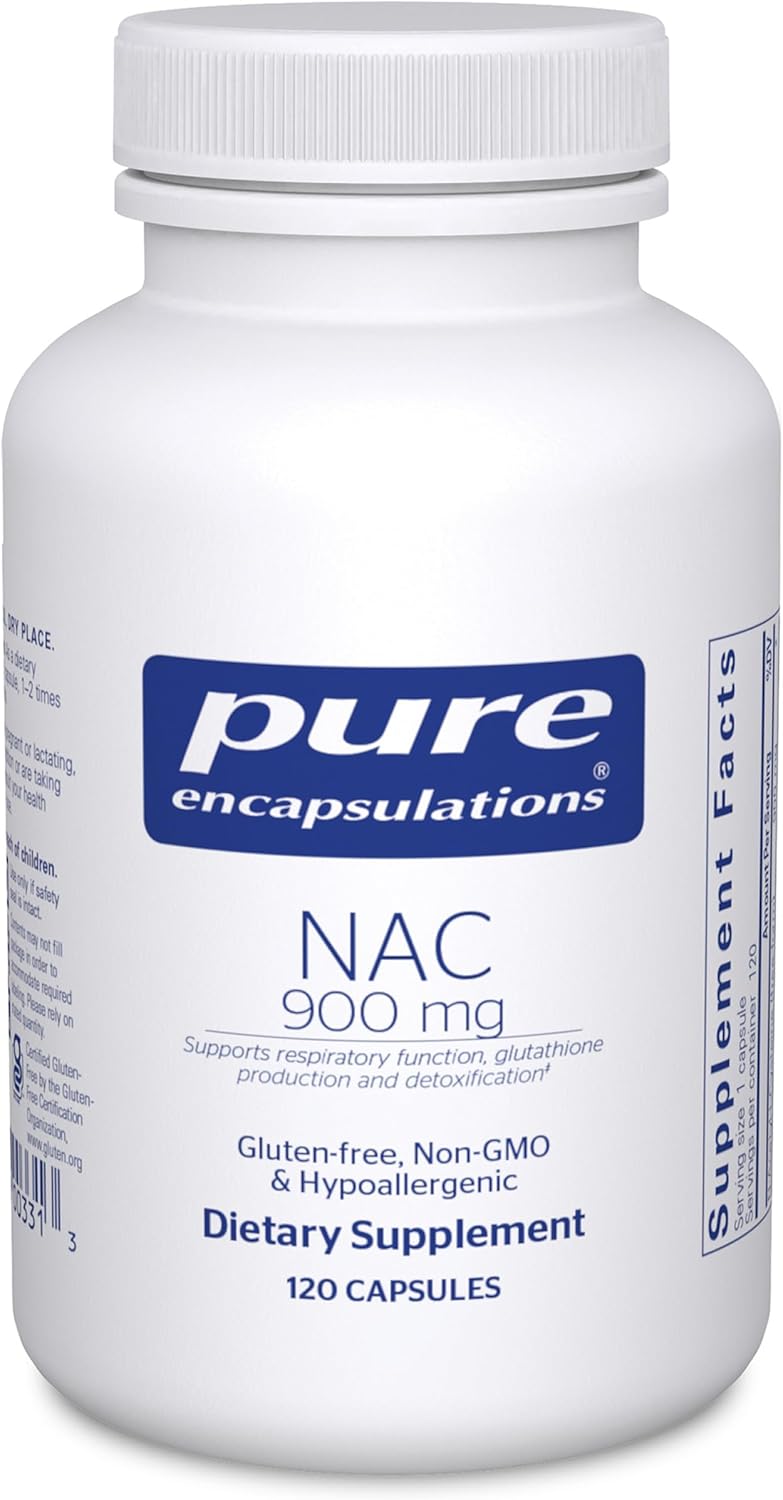
Pure Encapsulations NAC 900mg
N-Acetyl Cysteine · Glutathione precursor · 120 capsules
$56.50
Check Price on Amazon →Probiotics for Women's Health
The vaginal microbiome is dominated by Lactobacillus species, primarily Lactobacillus crispatus and Lactobacillus iners, which maintain an acidic environment that inhibits pathogenic organisms. Disruption of this community is associated with bacterial vaginosis (BV), yeast infections, and increased susceptibility to sexually transmitted infections.
Oral Lactobacillus supplementation has evidence for reducing BV recurrence and improving vaginal microbiome composition. The key strains are Lactobacillus rhamnosus GR-1 and Lactobacillus reuteri RC-14, which have published RCT data for vaginal health specifically. These are distinct from the gastrointestinal-focused strains and should be specifically sought out if vaginal health is the primary goal.
For women focused on comprehensive gut and hormonal health, gut microbiome diversity affects estrogen metabolism through the estrobolome, the subset of gut bacteria that metabolize estrogens. A diverse, healthy microbiome supports optimal estrogen clearance, which has implications for hormone balance, mood, and long-term breast health. The Stanis Labs Akkermansia Probiotic and omega-3 fatty acids, like those in Carlson Cod Liver Oil, support the gut environment that allows the estrobolome to function optimally.
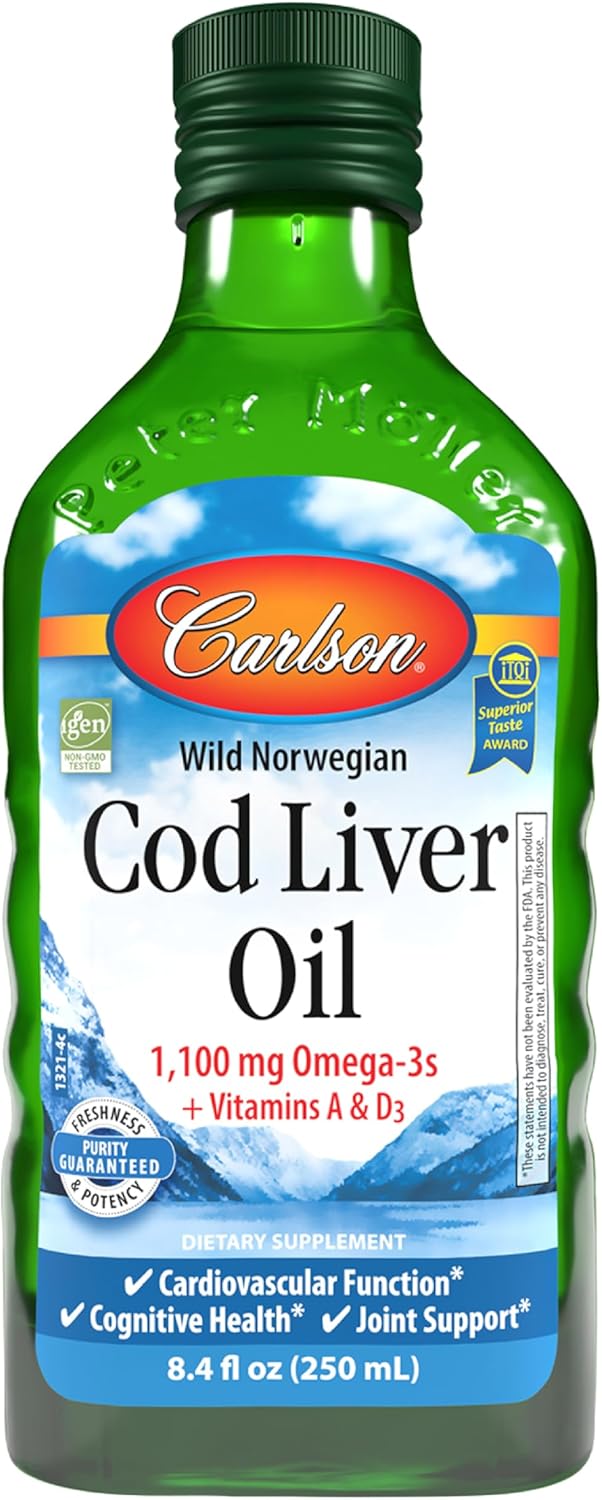
Carlson Cod Liver Oil 1100mg Omega-3
EPA + DHA + Vitamins A & D · 250 softgels
$31.00
Check Price on Amazon →Gut Motility: Magnesium and the Gut-Nervous System Connection
Gut motility, the rhythmic contractions that move contents through the digestive tract, is regulated by the enteric nervous system (ENS), often called the second brain. Magnesium plays a direct role in ENS function as a cofactor for the enzymes involved in neurotransmitter production and as a smooth muscle relaxant that supports peristalsis.
Chronic low magnesium is one of the most common drivers of constipation and poor gut transit in otherwise healthy adults. Improving gut transit time is directly beneficial for probiotic supplementation: shorter transit time means less contact time for fermentation of food in the wrong parts of the bowel and faster elimination of waste products that dysbiotic bacteria use as substrate.
Pure Encapsulations Magnesium Citrate is the iVitaLab team's standard recommendation for anyone working on gut health. Citrate form is well-absorbed and has a gentle osmotic laxative effect at standard doses, which supports healthy transit without cramping. We recommend 200 to 300mg elemental magnesium daily, taken in the evening.
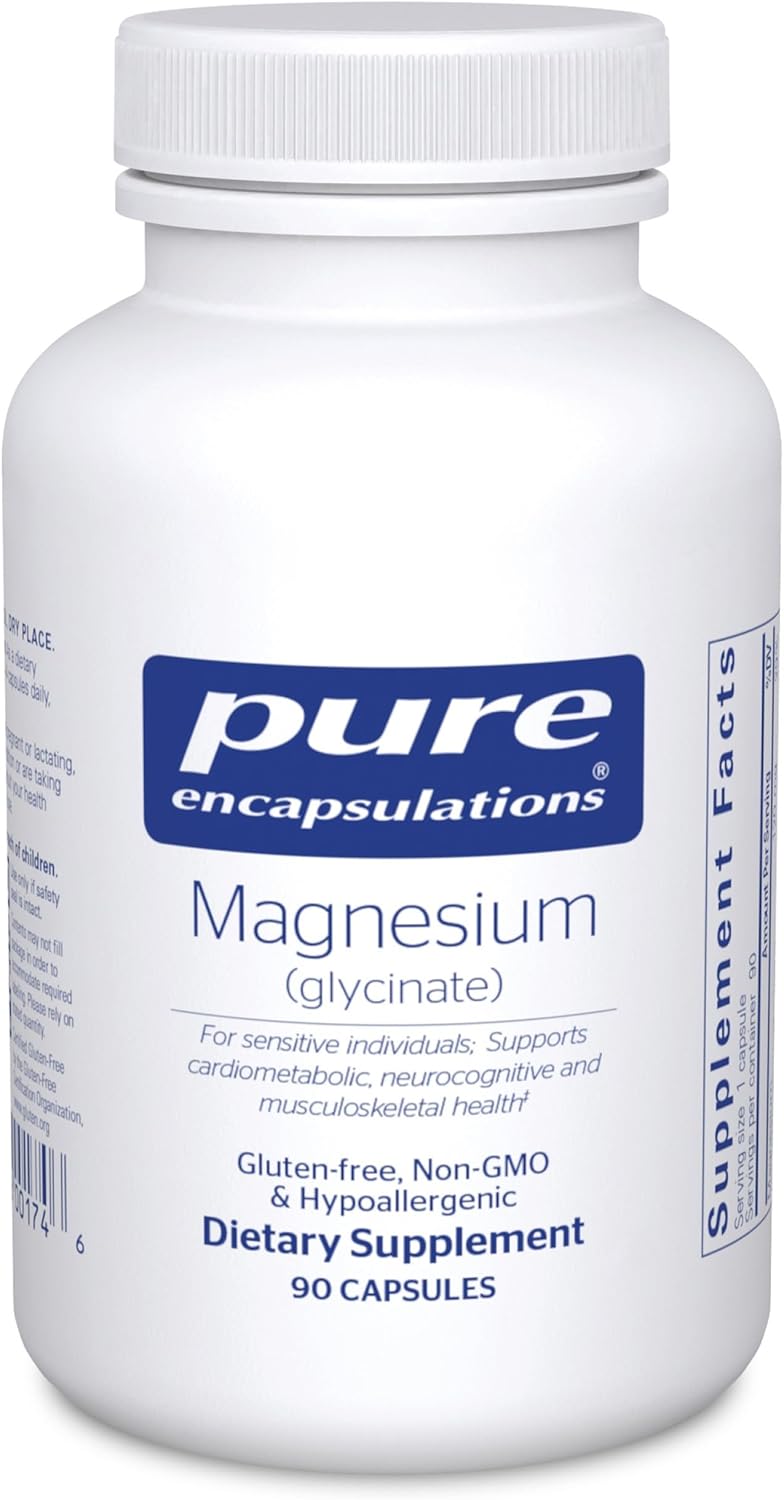
Pure Encapsulations Magnesium Citrate
150mg elemental magnesium · 180 capsules
$27.00
Check Price on Amazon →Top Probiotic Picks by Goal
Best for General Gut Health Maintenance
A multi-strain Lactobacillus and Bifidobacterium product with 10 to 30 billion CFU, enteric-coated, from a brand that third-party tests its products. Look for specific strain designations on the label. Pair with adequate dietary fiber and, if gut barrier is a concern, add Stanis Labs Akkermansia Probiotic as a monthly cycle.
Best for Metabolic Health and Weight Management
Stanis Labs Akkermansia Probiotic 320B CFU is the most evidence-backed option here. Human trials with pasteurized Akkermansia have shown improvements in insulin sensitivity, waist circumference, and metabolic biomarkers. Combined with dietary fiber and Magnesium Citrate for gut motility, this addresses the gut-metabolic axis directly.
Best for Immune Support
Look for products containing Lactobacillus rhamnosus GG and Bifidobacterium lactis BB-12. Pair with Pure Encapsulations Vitamin C 1000mg for immune synergy, and Pure Encapsulations NAC 900mg for mucosal antioxidant support.
Best for Travel and Convenience
A spore-based probiotic using Bacillus coagulans IS-2 or a combination of Bacillus species. Genuinely shelf-stable, survives stomach acid without enteric coating, and tolerates the temperature fluctuations of travel bags. Look for NSF or Informed Sport certification to ensure quality.
What Conventional Probiotic Products Get Wrong
The iVitaLab team's honest assessment after reviewing this category:
- Species-level only strain labeling: "Lactobacillus acidophilus" tells you almost nothing. The clinical data is on specific strains. Demand strain-level disclosure.
- CFU guaranteed at manufacture vs expiry: If the label says "guaranteed at time of manufacture," assume the product contains far fewer viable organisms when you open it. Always prefer "guaranteed at expiry."
- No third-party testing: A 2019 ConsumerLab audit found that several top-selling probiotic supplements contained significantly fewer CFUs than labeled and in some cases contained strains not listed on the label. Third-party testing is not optional in this category.
- Refrigerated washing out competitive advantage: Refrigerated probiotics are not inherently better than shelf-stable ones. Spore-based strains stored at room temperature are more shelf-stable than refrigerated Lactobacillus products that have been allowed to warm in transit.
- Missing Akkermansia entirely: The most consequential gut strain for metabolic and barrier health is absent from virtually all conventional probiotic formulas. Stanis Labs Akkermansia Probiotic addresses this gap directly.
The Gut Health Stack: Monthly Cost Summary
| Supplement | Role | Monthly Cost |
|---|---|---|
| Stanis Labs Akkermansia 320B CFU | Gut lining, metabolic health, keystone strain | $60 |
| Quercetin 500mg | Tight junctions, anti-inflammatory, senolytic | ~$50 |
| Magnesium Citrate | Gut motility, ENS support, transit time | ~$14 |
| NAC 900mg | Gut antioxidant, glutathione precursor | ~$57 |
| Cod Liver Oil (Omega-3) | Gut lining, anti-inflammation, estrobolome | ~$16 |
| Full gut health stack total | ~$197/month | |
The lean starting point for gut health: Stanis Labs Akkermansia Probiotic for barrier function plus Pure Encapsulations Magnesium Citrate for motility. That combination addresses the two most impactful variables for the majority of people. Add Quercetin next for tight junction support, and then NAC for antioxidant protection of the gut lining.
Frequently Asked Questions
How many CFUs do I actually need in a probiotic?
The clinical evidence for most outcomes sits in the 1 billion to 50 billion CFU range. Survival to the colon matters more than the starting count. A well-formulated 10 billion CFU product with enteric coating or spore-based strains will outperform a 100 billion CFU product with poorly chosen strains in unprotected capsules. Always look for CFU guaranteed at expiry, not at manufacture.
What is Akkermansia muciniphila and why does it matter?
Akkermansia is a keystone gut bacterium that lives in the mucus layer and maintains the gut barrier. Low Akkermansia is consistently linked to metabolic disease, obesity, and gut permeability. Stanis Labs Akkermansia Probiotic 320B CFU uses a pasteurized form that delivers bioactive effects from the surface proteins responsible for Akkermansia's health benefits, in a shelf-stable format standard probiotics cannot match.
Do I need to refrigerate probiotic supplements?
It depends on the strains. Lactobacillus and Bifidobacterium products benefit from refrigeration. Spore-forming Bacillus species are inherently stable at room temperature and do not need refrigeration. Refrigeration is a quality indicator for Lactobacillus products but not a universal measure of probiotic quality.