Collagen is the most abundant protein in the human body, accounting for roughly 30% of total protein mass. It holds your skin together, cushions your joints, supports gut wall integrity, and scaffolds your bones. After age 25, your body produces less of it every year, which is why joint stiffness, skin changes, and slower recovery are so closely tied to the aging process.
The iVitaLab team spent time reviewing the clinical literature and sorting through a crowded category that is full of marketing claims and underdosed products. Here is what we found: collagen supplementation has a genuinely solid evidence base when the form is right, the dose is adequate, and the co-factors are in place. This guide covers all three.
Quick Answer: What You Need to Know
- Type I + III (bovine or marine): for skin, hair, nails, gut lining, and tendons.
- Type II (undenatured UC-II or hydrolyzed): for cartilage and joint health specifically.
- Hydrolyzed (collagen peptides): superior absorption over gelatin or whole collagen.
- Dose: 2.5g to 10g daily, the range with clinical evidence for skin and joint outcomes.
- Vitamin C is mandatory, collagen synthesis is biochemically impossible without it.
- Zinc supports collagen cross-linking, a second co-factor most people overlook.
Understanding the Three Main Collagen Types
Not all collagen is the same. There are at least 28 known types in the human body, but three account for the vast majority of what is relevant to supplementation.
Type I Collagen: The Structural Foundation
Type I is the most abundant collagen in the body and the primary structural protein in skin, tendons, ligaments, bones, and teeth. It forms thick, densely packed fibers that give tissue its tensile strength. When you are thinking about skin firmness, wrinkle reduction, or tendon health, Type I is the target.
Bovine (cow) and marine (fish) collagen are both predominantly Type I. Marine collagen peptides tend to be slightly smaller in molecular weight, which may improve absorption speed. However, the practical difference in outcomes between well-processed bovine and marine Type I collagen is modest in the literature.
Type II Collagen: The Cartilage Protein
Type II collagen is the structural matrix of cartilage. It is softer and more flexible than Type I, designed to handle compressive loads in joints. Supplementing with Type II is the specific strategy for osteoarthritis, knee pain, and general joint comfort.
There are two forms: hydrolyzed Type II (broken down into peptides) and undenatured Type II (UC-II), which works through an entirely different mechanism called oral tolerance. UC-II at 40mg per day has shown results in clinical trials, while hydrolyzed Type II typically requires higher doses in the 5 to 10g range. They are not interchangeable.
Type III Collagen: Youth and Elasticity
Type III collagen is found alongside Type I in skin and blood vessels, and it is particularly concentrated in younger, more elastic tissue. As we age, the ratio of Type I to Type III in skin shifts, contributing to loss of elasticity. Most bovine collagen supplements include both Type I and III, which is one reason bovine is the more comprehensive choice for anti-aging skin support.
Hydrolyzed vs Regular Collagen: Why the Form Matters
Whole collagen protein, like gelatin, is too large to be absorbed meaningfully through the gut wall. The molecules are simply too big. Hydrolysis breaks collagen into smaller peptide chains, typically 2 to 10 kilodaltons, which pass through intestinal epithelium intact and enter circulation as bioactive signaling molecules.
Once absorbed, collagen peptides do two things: they provide the raw amino acids (glycine, proline, hydroxyproline) for collagen synthesis, and they act as signals that tell dermal fibroblasts to ramp up endogenous collagen production. This second mechanism, the signaling effect, is what makes hydrolyzed collagen peptides more effective than simply eating more protein.
The iVitaLab team recommends looking for products that specify "hydrolyzed collagen peptides" with a molecular weight below 5 kDa. Gelatin supplements, bone broth powders, and whole collagen protein are less effective delivery formats for the skin and joint outcomes you are probably targeting.
Marine vs Bovine: Which Source Wins?
This is the most common question we get on collagen, and the honest answer is that both work well when properly sourced and hydrolyzed. Here is the practical breakdown:
Marine collagen is Type I dominant, has slightly smaller peptide sizes (which may mean faster absorption), and is the preferred option for pescatarians or anyone avoiding beef. Wild-caught marine collagen is generally sourced from fish skin and scales, byproducts that would otherwise be discarded. The main downsides are cost (typically higher than bovine) and a fish odor in lower-quality products.
Bovine collagen provides both Type I and Type III, making it the more complete option for skin and connective tissue support. Grass-fed bovine is the quality benchmark. Bovine is more affordable per gram of collagen peptides and the most widely studied form in skin elasticity trials.
For joint health specifically, you want a product that includes or focuses on Type II collagen, which means looking at chicken-sourced or dedicated joint formulas rather than standard bovine or marine powders.
The Co-Factors That Make Collagen Work
This is the piece that most collagen guides skip, and it is arguably more important than which brand you choose. Collagen synthesis is a multi-step enzymatic process, and two micronutrients are non-negotiable co-factors.
Vitamin C: The Rate-Limiting Co-Factor
Collagen synthesis requires the enzymes prolyl hydroxylase and lysyl hydroxylase to cross-link collagen strands. Both require Vitamin C as a co-factor. Without adequate Vitamin C, the hydroxylation step fails, producing unstable, nonfunctional collagen. This is the mechanism behind scurvy, which is essentially collagen failure from Vitamin C deficiency.
You do not need massive doses. The research on skin collagen synthesis points to 500mg to 1000mg daily as an effective range for adults. The iVitaLab team uses Pure Encapsulations Vitamin C 1000mg as our reference standard: clean formulation, no fillers, 1000mg ascorbic acid per capsule. When taking collagen supplements, Vitamin C should be taken at the same time to maximize the synthesis window.
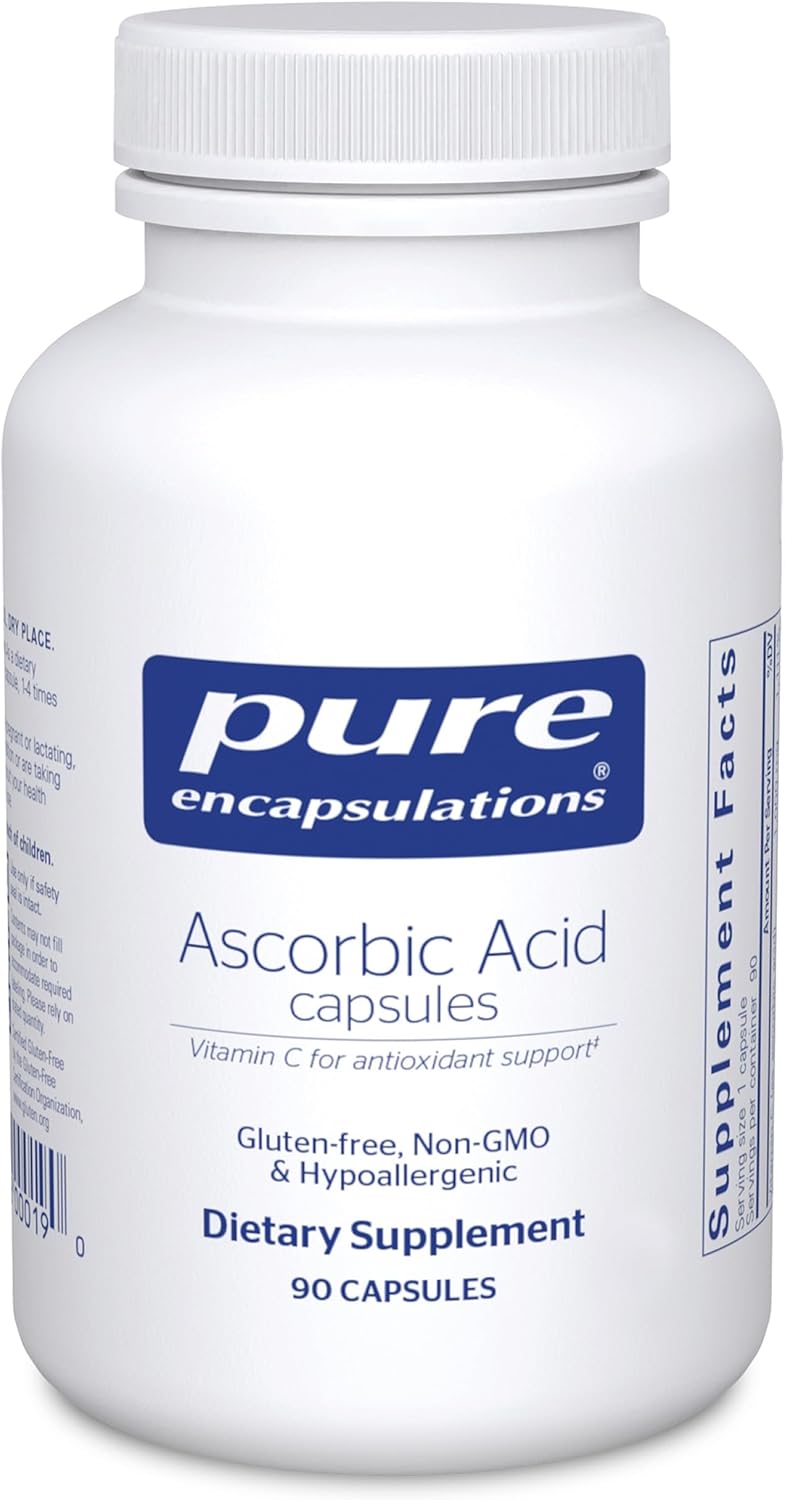
Pure Encapsulations Vitamin C 1000mg
Ascorbic Acid · 90 capsules · Hypoallergenic
$22.50
Check Price on Amazon →Zinc: The Overlooked Cross-Linker
Zinc is required for the activity of matrix metalloproteinases, which remodel collagen tissue, as well as for the zinc-dependent enzymes involved in collagen cross-linking. Zinc deficiency is associated with poor wound healing, skin fragility, and slow tendon repair, all of which are collagen-dependent processes.
The iVitaLab team found that many collagen supplement buyers are unknowingly zinc deficient, especially men over 40 whose diets are low in shellfish and red meat. Nutricost Zinc Picolinate 50mg is our preferred form for zinc supplementation. Picolinate is one of the better-absorbed forms, and the 50mg dose at 3 to 4 times per week gives most adults a sustainable baseline without risk of copper depletion from daily high-dose zinc.
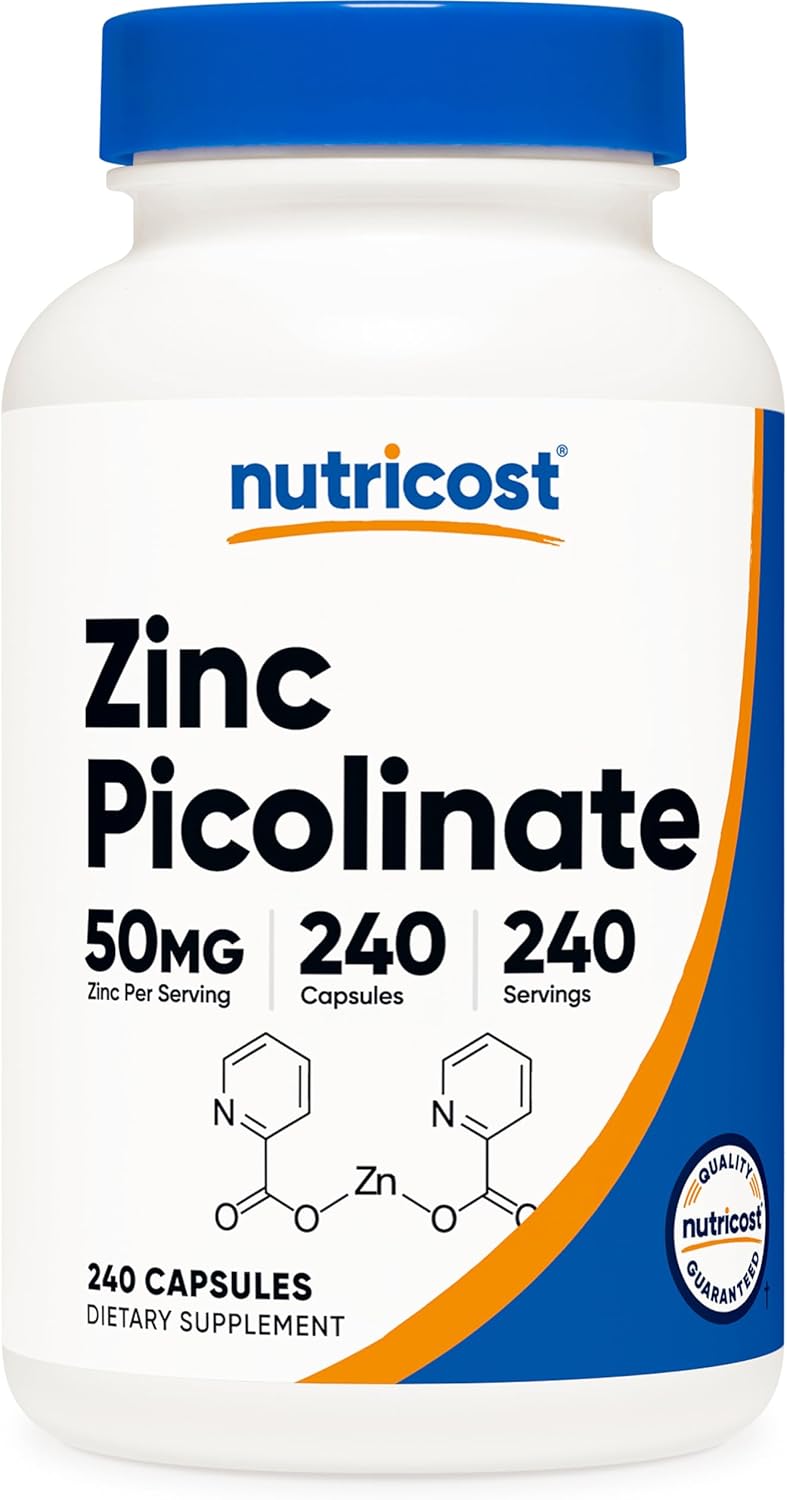
Nutricost Zinc Picolinate 50mg
Highly bioavailable zinc · 240 capsules
$17.95
Check Price on Amazon →Collagen for Skin: What the Research Actually Shows
The skin evidence for hydrolyzed collagen is genuinely strong. A 2019 systematic review in the Journal of Drugs in Dermatology analyzed 11 randomized controlled trials and found consistent improvements in skin elasticity, hydration, and dermal collagen density after 8 to 12 weeks of supplementation at 2.5 to 10g daily. A 2021 double-blind RCT with 72 participants showed measurable improvements in facial wrinkle depth after 12 weeks at 2.5g per day.
The mechanism is well established. Hydrolyzed collagen peptides, specifically di- and tri-peptides containing hydroxyproline, are absorbed from the gut and reach the dermis where they stimulate fibroblasts to produce more endogenous collagen and hyaluronic acid. The effect is dose-dependent, meaning more evidence supports the 5 to 10g range for measurable outcomes rather than the token 1 to 2g doses found in many beauty drinks.
Omega-3 fatty acids complement the skin benefits of collagen by reducing systemic inflammation and supporting the lipid barrier of the dermis. Carlson Cod Liver Oil 1100mg Omega-3 is the iVitaLab team's preferred omega-3 source. It provides EPA and DHA alongside naturally occurring Vitamins A and D, which both contribute to skin barrier function. We take this daily regardless of collagen cycling.
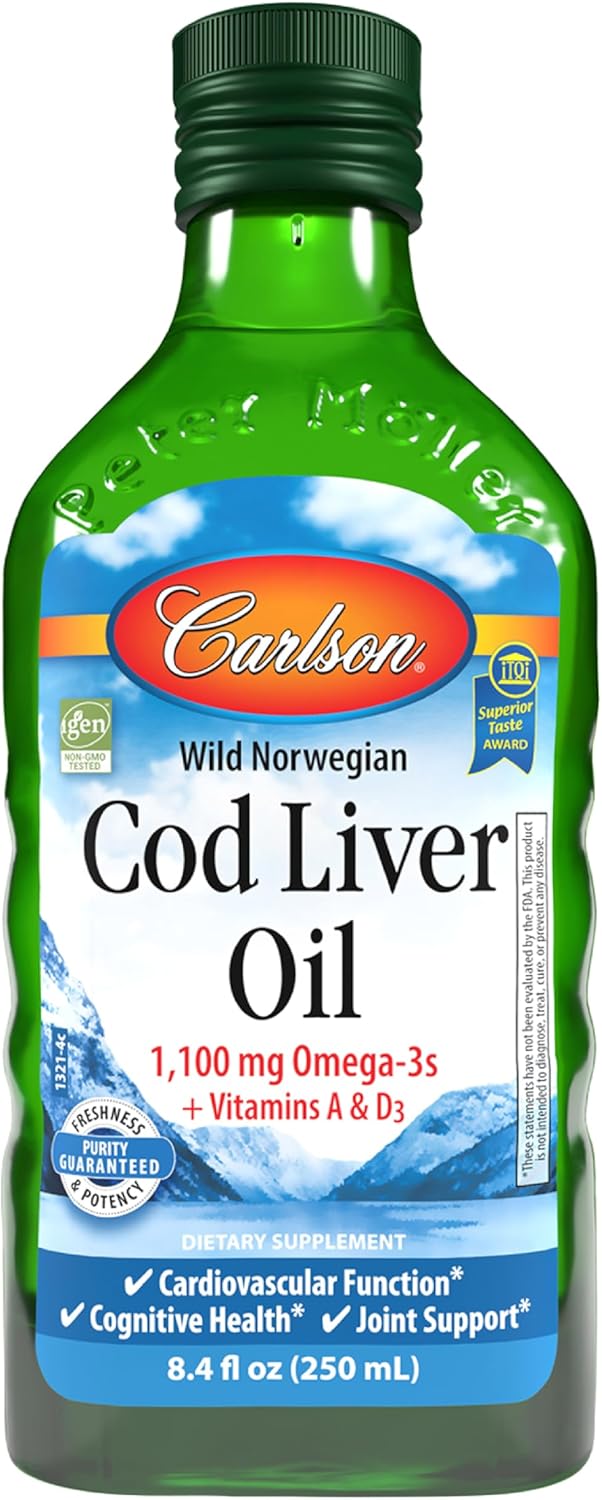
Carlson Cod Liver Oil 1100mg Omega-3
EPA + DHA + Vitamins A & D · 250 softgels
$31.00
Check Price on Amazon →Collagen for Joints: Type II and the Cartilage Case
Joint health is a separate conversation from skin. Cartilage has no blood supply, which makes it one of the slowest tissues to respond to any intervention. The research on Type II collagen for joint outcomes is real but requires patience: most trials run 3 to 6 months before measuring outcomes.
Undenatured Type II collagen (UC-II) works through oral tolerance, a mechanism by which small amounts of the intact collagen protein signal the immune system to stop attacking cartilage. This is particularly relevant in inflammatory joint conditions. Trials have shown reductions in joint pain and stiffness at 40mg per day, a much lower dose than hydrolyzed Type II.
Hydrolyzed Type II collagen at higher doses (5 to 10g) provides the structural amino acids glycine and proline to support ongoing cartilage matrix production. This is the more conventional approach and is supported by several positive RCTs in athletes and older adults with knee discomfort.
The B vitamins play a supporting role in connective tissue health through homocysteine regulation. Elevated homocysteine is associated with collagen cross-link abnormalities and accelerated cartilage degradation. Pure Encapsulations B-Complex Plus addresses this by providing a complete, activated B vitamin profile that supports methylation and keeps homocysteine in check.
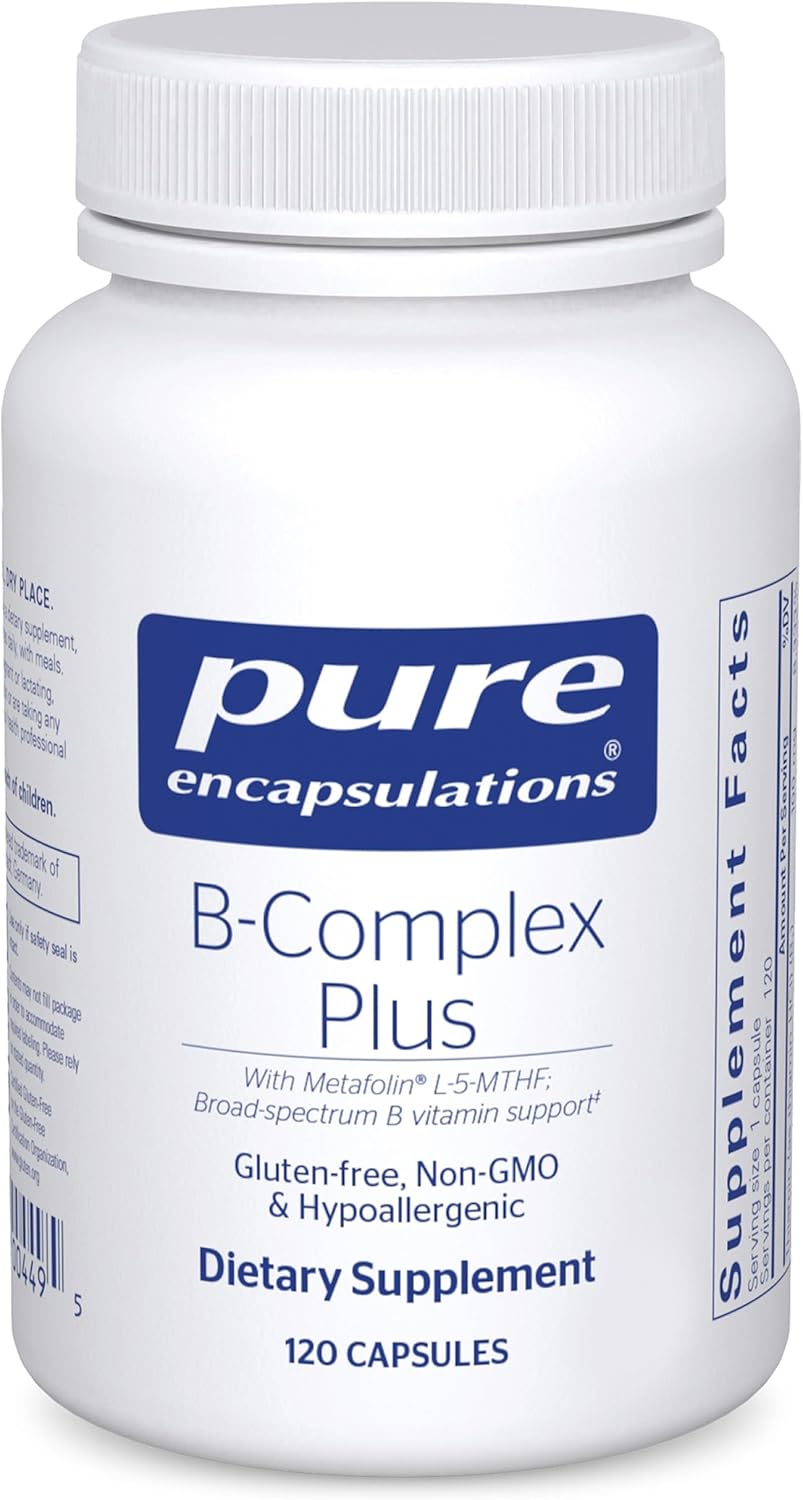
Pure Encapsulations B-Complex Plus
Complete activated B vitamins · 60 capsules
$42.00
Check Price on Amazon →Collagen and Gut Health: The Leaky Gut Connection
Collagen is a major structural component of the gut lining. The intestinal epithelium rests on a collagen-rich extracellular matrix, and collagen peptides, particularly those containing glycine and proline, provide the building blocks for maintaining that barrier. There is growing evidence that collagen supplementation can reduce intestinal permeability, the mechanism sometimes called "leaky gut."
Glycine, the most abundant amino acid in collagen, has direct anti-inflammatory effects in gut epithelial cells. It also supports bile acid conjugation and liver function, which affects fat absorption and overall gut environment. This is one reason collagen supplementation is sometimes used alongside gut healing protocols.
The gut microbiome itself is deeply connected to collagen outcomes. Stanis Labs Akkermansia Probiotic 320B CFU targets Akkermansia muciniphila, a keystone gut bacteria strain that specifically strengthens the gut mucus layer. A healthy gut lining improves absorption of collagen peptides and their co-factors, and Akkermansia's role in mucus layer integrity directly supports the gut-collagen relationship. We consider it a worthwhile pairing for anyone using collagen for gut or systemic reasons.
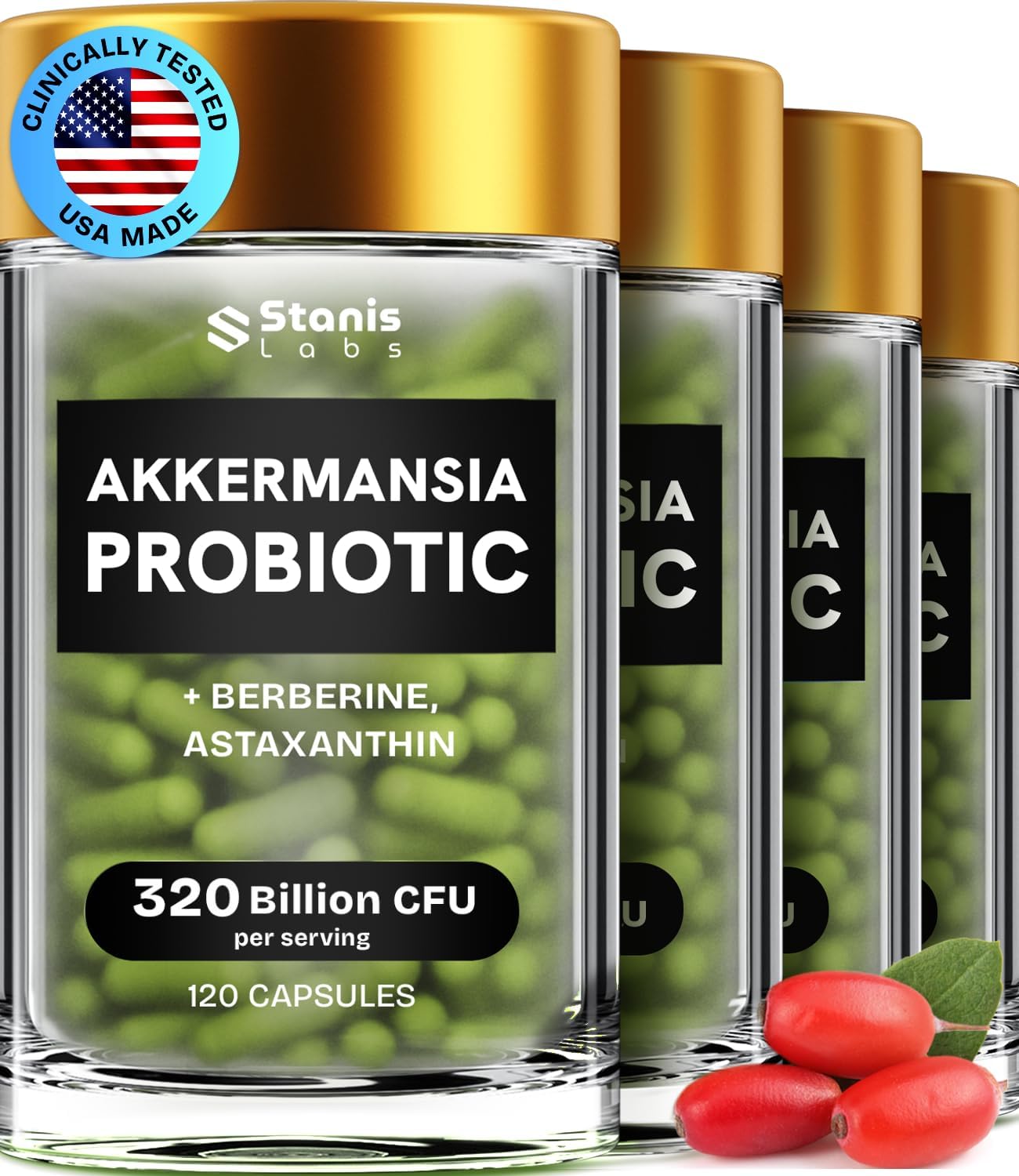
Stanis Labs Akkermansia Probiotic 320B CFU
320 Billion CFU · Gut lining support · 30 capsules
$60.00
Check Price on Amazon →What to Look for When Buying Collagen
At iVitaLab, we do not currently carry a standalone collagen product under our affiliate catalog. We want to be direct about that. When you shop for collagen, here is the iVitaLab team's honest checklist:
- Third-party tested: Look for NSF Certified for Sport, Informed Sport, or USP verification. This confirms the product contains what it claims.
- Hydrolyzed collagen peptides: Avoid products labeled just "collagen protein" or "bone broth powder" without specifying hydrolyzed peptides.
- Dose on the label: The serving should deliver at least 2.5g of collagen peptides. Products using collagen as a token ingredient at under 1g are not worth your money.
- Source transparency: "Marine" should specify the fish source. "Bovine" should specify grass-fed when possible. Avoid vague "collagen blend" without source information.
- No proprietary blends hiding the dose: You should be able to see the exact milligrams of each collagen type listed on the supplement facts panel.
The Full Collagen Support Stack
| Supplement | Role | Monthly Cost |
|---|---|---|
| Hydrolyzed Collagen (Type I+III) | Skin, hair, tendons, gut lining | ~$25-40 |
| Vitamin C 1000mg | Rate-limiting co-factor for collagen synthesis | ~$22 |
| Zinc Picolinate | Cross-linking, wound healing | ~$6 |
| Cod Liver Oil (Omega-3) | Skin barrier, anti-inflammation | ~$16 |
| B-Complex Plus | Homocysteine control, connective tissue support | ~$42 |
| Akkermansia Probiotic | Gut lining integrity, absorption | ~$60 |
| Full support stack (excluding collagen product) | ~$146/month | |
If you are starting lean, Vitamin C 1000mg is the non-negotiable first addition to any collagen regimen. Then add Zinc Picolinate. Those two co-factors do more for your collagen results than switching between marine and bovine brands.
Common Collagen Mistakes We See
The iVitaLab team has reviewed hundreds of supplement routines, and these are the patterns we see most often with collagen supplementation:
- Under-dosing: Taking 1g or 2g when the clinical data is at 5 to 10g. Many collagen-enhanced foods and beverages sit in this underdosed territory.
- Skipping Vitamin C: The most common and most impactful mistake. Collagen without Vitamin C is like buying paint without brushes.
- Expecting fast results: Skin improvements typically require 8 to 12 weeks. Joint and cartilage changes take 3 to 6 months. Quitting at 4 weeks is the most common reason people report collagen "didn't work."
- Using gelatin instead of hydrolyzed peptides: Gelatin works in cooking but is poorly absorbed as a supplement. Always look for "hydrolyzed" on the label.
- Ignoring the gut: Poor gut absorption limits how much collagen peptide reaches the dermis or joints. Gut barrier support, like Stanis Labs Akkermansia Probiotic, can meaningfully improve outcomes.
Frequently Asked Questions
What is the difference between Type I, II, and III collagen?
Type I is the primary structural collagen in skin, tendons, and bone. Type II is the cartilage-specific collagen targeted for joint health. Type III works alongside Type I in skin and gut tissue. Most bovine collagen supplements provide Type I and III; chicken-sourced or dedicated joint products typically focus on Type II.
Is marine collagen better than bovine?
Both work well when properly hydrolyzed. Marine is Type I only with smaller peptide sizes. Bovine provides both Type I and III, making it the more complete option for skin and connective tissue. The practical difference in outcomes between quality versions of each is modest. Choose based on dietary preferences and price.
Do collagen supplements actually work for skin?
Yes, the evidence is solid. Multiple randomized controlled trials show measurable improvements in skin elasticity, hydration, and wrinkle depth after 8 to 12 weeks at 2.5 to 10g daily. Results improve when Vitamin C and Zinc are adequate.