When one of our team members was told their fasting glucose was trending high, the conversation that followed led us deep into berberine research. What we found stopped us: a compound found in plants, with multiple head-to-head studies against metformin, at a fraction of the cost and without a prescription. We've been tracking this one closely ever since.
Quick Answer
- Same mechanism, different source: berberine and metformin both activate AMPK, the cellular energy sensor that improves insulin sensitivity
- Human trial results are comparable: a landmark 2008 RCT found berberine reduced HbA1c by 2.0% vs metformin's 2.2%
- Split your doses: 500mg 2-3x per day with meals, not one large dose, berberine has a short half-life
- Not a replacement: if you're on metformin for diagnosed diabetes, don't switch without physician guidance
How Berberine Actually Works
Berberine is a plant alkaloid found in goldenseal, barberry, and Oregon grape. It's been used in traditional Chinese medicine for centuries, primarily for gastrointestinal issues, but modern research has uncovered its metabolic effects. The primary mechanism: berberine activates AMP-activated protein kinase (AMPK), the same cellular signaling pathway that metformin targets. AMPK is essentially a master metabolic switch. When activated, it improves insulin sensitivity, reduces glucose production in the liver, increases glucose uptake in muscle cells, and modulates lipid metabolism.
This AMPK activation is not unique to berberine. Exercise activates it. Caloric restriction activates it. Metformin activates it. The fact that a plant compound hits the same target helps explain why the clinical results are so competitive with a pharmaceutical that's been the standard of care for decades.
The Head-to-Head Trial That Changed the Conversation
In 2008, a randomized controlled trial published in Metabolism compared berberine (500mg three times daily) to metformin (500mg three times daily) in 116 patients with type 2 diabetes. The results were striking: berberine reduced HbA1c from 9.5% to 7.5%, a 2.0% drop. Metformin reduced HbA1c from 9.6% to 7.4%, a 2.2% drop. Fasting blood glucose improvements were essentially identical. Berberine also outperformed metformin on triglyceride reduction.
More recent meta-analyses reviewing dozens of trials confirm that berberine consistently lowers fasting glucose, postprandial glucose, HbA1c, and triglycerides at clinically meaningful levels. The evidence base is not as large as metformin's 60+ years of human data, but it's substantially more robust than most people realize.
Where Berberine Falls Short
Let us be direct about the limitations because they matter. First, berberine has poor bioavailability. Only about 1-5% of an oral dose reaches systemic circulation in standard form. This is why enhanced formulations like UltraSorb technology matter significantly. The standard berberine HCl you find in cheap supplements absorbs poorly and inconsistently.
Second, berberine can interact with medications. It inhibits certain CYP450 liver enzymes, which means it can raise blood levels of drugs that are metabolized through those pathways, including some statins, blood thinners, and immunosuppressants. This is a real interaction risk, not a theoretical one. Anyone on prescription medications should check interactions before starting berberine.
Third, the long-term data on berberine is thinner than metformin. Metformin has decades of real-world safety data. Berberine does not. For someone with prediabetes or metabolic syndrome using it as a lifestyle tool, the risk profile is likely low. For someone with diagnosed T2D using it as a sole intervention, the risk calculus is different.
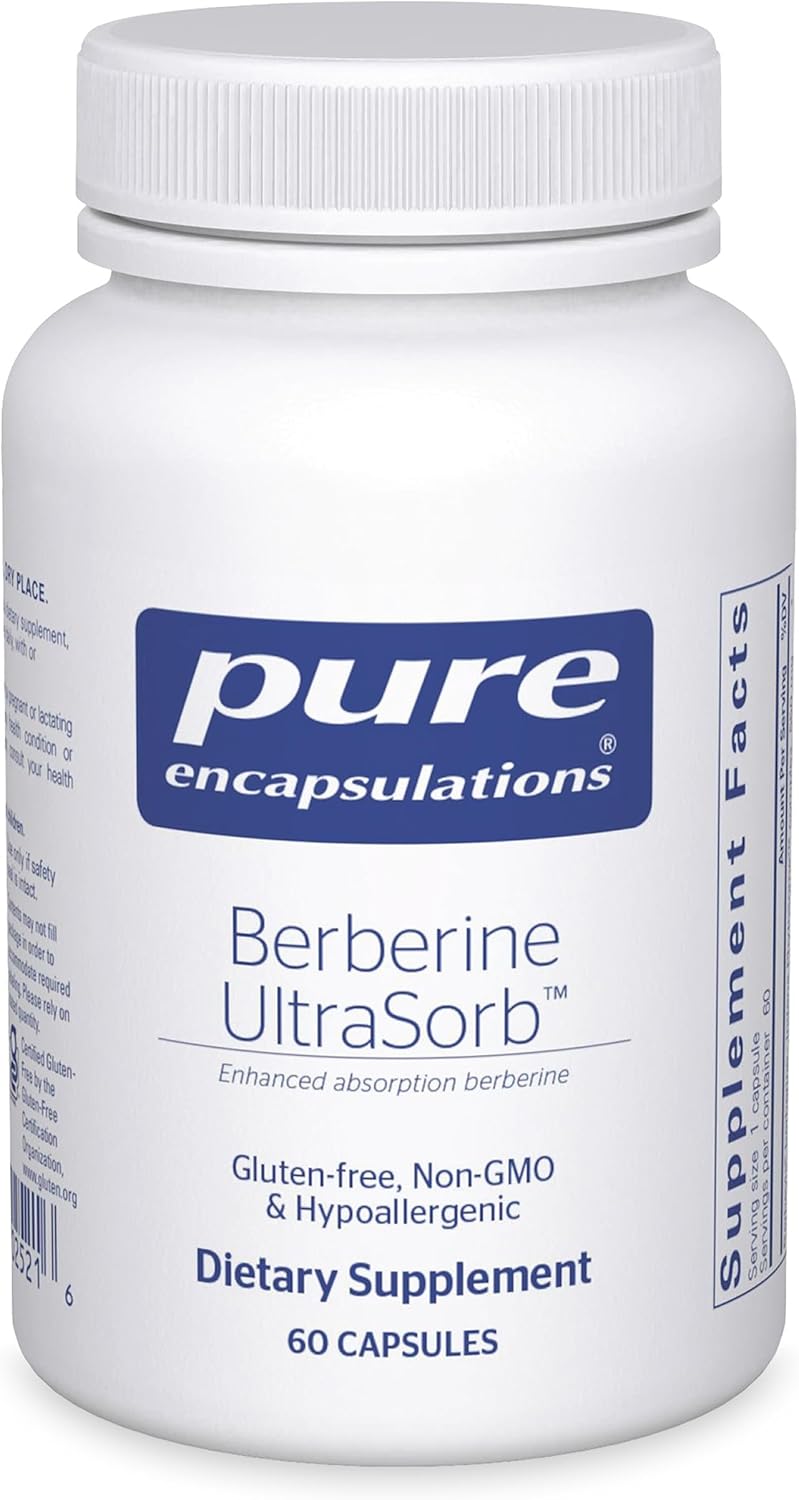
Pure Encapsulations Berberine UltraSorb
Enhanced absorption berberine, 500mg per capsule, no fillers
$51.50
Check Price on Amazon →Why the Formulation Matters More Than the Price
Standard berberine HCl is what you find in most $15-20 bottles. It works, but absorption is inconsistent, and you need higher doses to compensate. Enhanced formulations using phytosome technology, liposomal delivery, or absorption enhancers like piperine can raise bioavailability substantially. Pure Encapsulations' UltraSorb formula specifically addresses berberine's absorption problem, which makes the higher price more defensible than it looks at first glance. You're not paying more for the same thing; you're paying more for something that actually gets into circulation.
If budget is a genuine constraint and you're willing to use standard berberine HCl, take it with a meal containing healthy fats, which improves absorption, and add black pepper extract (piperine). That combination gets you most of the way there for less money.
Dosing Protocol That Matches the Research
The research consistently used 500mg taken 2-3 times daily with meals, totaling 1000-1500mg per day. This split dosing is important: berberine's half-life is short, roughly 3-4 hours, so front-loading a single daily dose misses the window for postprandial glucose control. Take 500mg before breakfast, 500mg before dinner. If you're going to three doses, add 500mg before lunch.
Start at a lower dose (250mg twice daily) for the first two weeks to let your GI system adjust. The nausea and cramping that some people experience at full doses is largely avoidable with a gradual ramp-up. Give it 10-12 weeks before assessing impact on blood markers, and retest fasting glucose and HbA1c to verify the effect.
Frequently Asked Questions
Can berberine replace metformin?
Berberine should not be used as a replacement for metformin without consulting a physician, especially if you have diagnosed type 2 diabetes. For people with prediabetes or metabolic syndrome looking for lifestyle support, berberine may be a reasonable option to discuss with a doctor.
What dose of berberine is effective?
Most clinical trials used 500mg taken 2-3 times daily with meals, totaling 1000-1500mg per day. This split dosing matters because berberine has a short half-life. Taking it all at once is less effective than spreading doses across meals.
Does berberine have side effects?
The most common side effects are gastrointestinal: nausea, cramping, and loose stools, particularly at the start of supplementation. These usually improve within 1-2 weeks. Starting with 250mg per dose and working up over 2 weeks reduces these effects significantly.