Ashwagandha is having a moment. It is now one of the top five selling herbal supplements in North America, stocked everywhere from health food stores to gas stations. Most of the marketing around it is either vague (it reduces stress!) or overblown (it will transform your testosterone!). The reality, as the iVitaLab team found when we went through the actual clinical literature, is more nuanced and in some ways more interesting than the marketing suggests.
This guide covers the mechanism, the evidence, the dosing differences between standardized extracts, who benefits most, and who should skip it. We will also walk through the complementary supplements that work synergistically with ashwagandha for stress, sleep, and energy.
Quick Answer: Key Ashwagandha Facts
- Active compounds: Withanolides (steroidal lactones), alkaloids, and saponins, concentrated in the root.
- Mechanism: HPA axis modulation; reduces cortisol response to stress signals.
- Best-studied benefits: Cortisol reduction, stress resilience, sleep quality, testosterone in men, VO2 max in athletes.
- KSM-66 dose: 300mg twice daily (most studied). Root extract, min 5% withanolides.
- Sensoril dose: 125 to 250mg twice daily. Root and leaf, higher withanolide standardization. Better sleep data.
- Timeline: Measurable cortisol effects within 30 days. Full benefits at 8 to 12 weeks.
- Not for everyone: Avoid during pregnancy, with thyroid medication, or if autoimmune conditions are active.
What Is Ashwagandha and How Does It Work?
Ashwagandha (Withania somnifera) is a nightshade family shrub native to India, North Africa, and the Mediterranean. In Ayurvedic medicine, it has been used for over 3,000 years as a "rasayana," meaning a tonic for vitality and longevity. The part that matters for supplementation is the root, where the primary bioactive compounds, withanolides, are most concentrated.
Withanolides are steroidal lactones. Their primary mechanism is modulation of the hypothalamic-pituitary-adrenal (HPA) axis, the hormonal cascade that governs your stress response. Under chronic stress, the HPA axis becomes dysregulated: cortisol stays elevated, the feedback mechanism that should turn it off gets blunted, and you end up in a persistent state of physiological activation that impairs sleep, immune function, digestion, and cognition.
Ashwagandha appears to restore HPA axis sensitivity. It does not block cortisol production outright; rather, it helps the body return more quickly to baseline after a stress event and reduces the magnitude of the cortisol spike in the first place. This is why it is classified as an adaptogen: it modulates the stress response rather than suppressing it entirely.
The Cortisol Evidence: What Human Trials Actually Show
The cortisol data on ashwagandha is among the stronger evidence sets in the adaptogen category. Here is what the iVitaLab team found most relevant in the human trial literature:
A 2012 randomized, double-blind, placebo-controlled trial published in the Indian Journal of Psychological Medicine assigned 64 adults with chronic stress to either 300mg KSM-66 twice daily or placebo for 60 days. The ashwagandha group showed a 27.9% reduction in serum cortisol versus a 7.9% reduction in the placebo group. Self-reported stress scores, measured by validated scales, dropped significantly. Notably, the study also found reduced scores on anxiety, depression, and food cravings.
A 2019 clinical trial with 60 adults using a lower dose (240mg Sensoril daily) replicated the cortisol findings and added measurement of DHEA-S, an adrenal hormone often suppressed under chronic stress. Ashwagandha significantly increased DHEA-S while reducing cortisol, suggesting a rebalancing of the HPA axis rather than simple suppression.
The important nuance is that effect size correlates with baseline stress levels. In people with already-normal cortisol, the cortisol reduction is smaller. This is consistent with adaptogen pharmacology: the more dysregulated the starting point, the more pronounced the correction.
KSM-66 vs Sensoril: Which Ashwagandha Extract to Choose
Both KSM-66 and Sensoril are patented, standardized ashwagandha extracts with published clinical data. They are not interchangeable and serve somewhat different primary use cases.
KSM-66: The Root-Only Standard
KSM-66 is produced by Ixoreal Biomed using a root-only extraction process designed to preserve the naturally occurring ratio of withanolides and other bioactive compounds. It is standardized to a minimum of 5% withanolides and has the largest body of published clinical research of any ashwagandha extract, including studies on stress, testosterone, thyroid function, memory, and athletic performance.
The standard dose in most trials is 300mg twice daily. Some protocols use 600mg once daily in the morning. KSM-66 is the better choice if your primary goals are cortisol modulation, testosterone support in men, or physical endurance. The iVitaLab team's recommendation: if you can only pick one form, start with KSM-66 at 300mg twice daily with food.
Sensoril: Root and Leaf for Sleep and Anxiety
Sensoril is produced by Natreon and uses both root and leaf material. This gives it a higher total withanolide concentration (standardized to at least 10% withanolides, compared to 5% for KSM-66) and includes a unique oligosaccharide fraction thought to contribute to its anxiolytic and sleep effects. The dose is lower: 125mg to 250mg twice daily.
Sensoril has particularly strong data for sleep quality and anxiety reduction. A 2019 study specifically measured sleep onset, sleep quality, and morning alertness using Sensoril at 300mg daily and found significant improvements across all three metrics versus placebo in adults with non-restorative sleep. If sleep improvement is your primary goal, Sensoril is the iVitaLab team's preferred form.
Ashwagandha for Testosterone: Separating Facts from Hype
The testosterone claims around ashwagandha are common and partially warranted, but frequently overstated. Here is what the research shows.
A 2019 RCT in the American Journal of Men's Health gave 300mg KSM-66 twice daily to healthy men aged 18 to 50 for 8 weeks. Testosterone levels increased by an average of 14.7% versus 2.6% in the placebo group. Muscle strength and recovery also improved, which the researchers attributed partly to testosterone and partly to cortisol reduction enabling better protein synthesis.
The mechanism is thought to involve both HPA axis normalization (lower cortisol reduces its suppressive effect on testosterone production) and potential direct effects on luteinizing hormone (LH) signaling. The effect is real, but it is not dramatic and it appears most pronounced in men who are stressed, sleep-deprived, or suboptimally nourished. In healthy, well-rested men with normal testosterone, the effect is smaller.
For men optimizing energy and testosterone support, Qunol Ubiquinol CoQ10 200mg pairs well with ashwagandha. Ubiquinol is the active, reduced form of CoQ10, critical for mitochondrial energy production and shown to support testosterone synthesis in Leydig cells. The iVitaLab team found that the combination of cortisol management (ashwagandha) and mitochondrial energy support (CoQ10) addresses two separate limiting factors in male hormonal health.
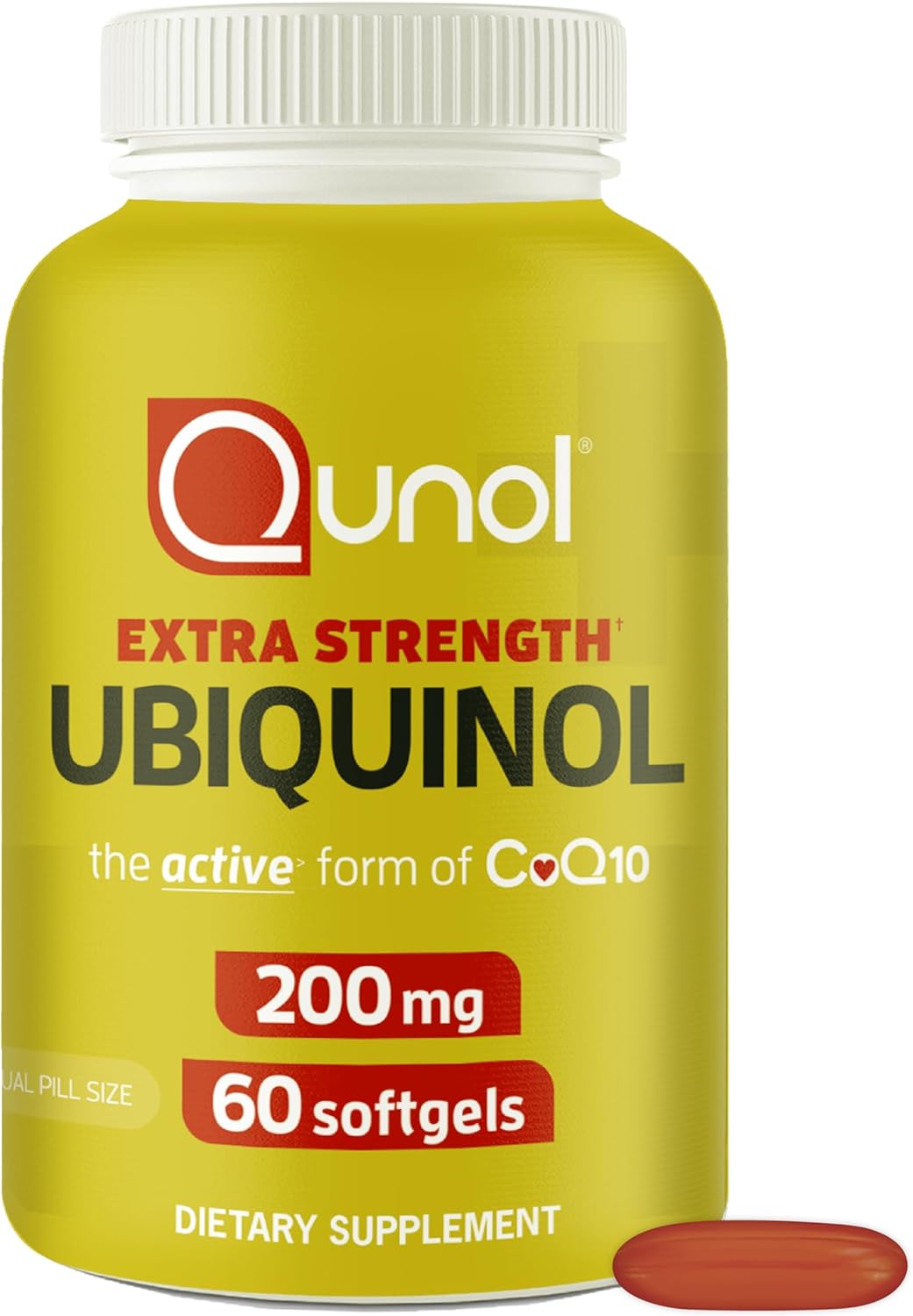
Qunol Ubiquinol CoQ10 200mg
Active ubiquinol form · Superior absorption · 60 softgels
$39.99
Check Price on Amazon →Ashwagandha and Sleep Quality
Sleep is one of the most underappreciated targets for ashwagandha. Cortisol is naturally highest in the morning and should drop through the day, reaching its lowest point at bedtime. In chronically stressed individuals, this diurnal rhythm flattens: cortisol stays elevated into the evening, making it harder to fall asleep and reducing the proportion of deep, restorative sleep.
By restoring the normal cortisol curve, ashwagandha can meaningfully improve sleep onset and sleep quality without sedation. This is distinct from the mechanism of melatonin or GABA-based sleep aids. Ashwagandha does not make you drowsy. It removes the cortisol barrier to natural sleep initiation.
For sleep specifically, the iVitaLab team pairs Sensoril ashwagandha with Pure Encapsulations Magnesium Citrate. Magnesium is a GABA receptor agonist and activates the parasympathetic nervous system. Low magnesium, which affects around 50% of adults, directly impairs sleep quality through multiple pathways. The combination of cortisol normalization (ashwagandha) and GABA pathway support (magnesium) is synergistic in a way that neither achieves alone.
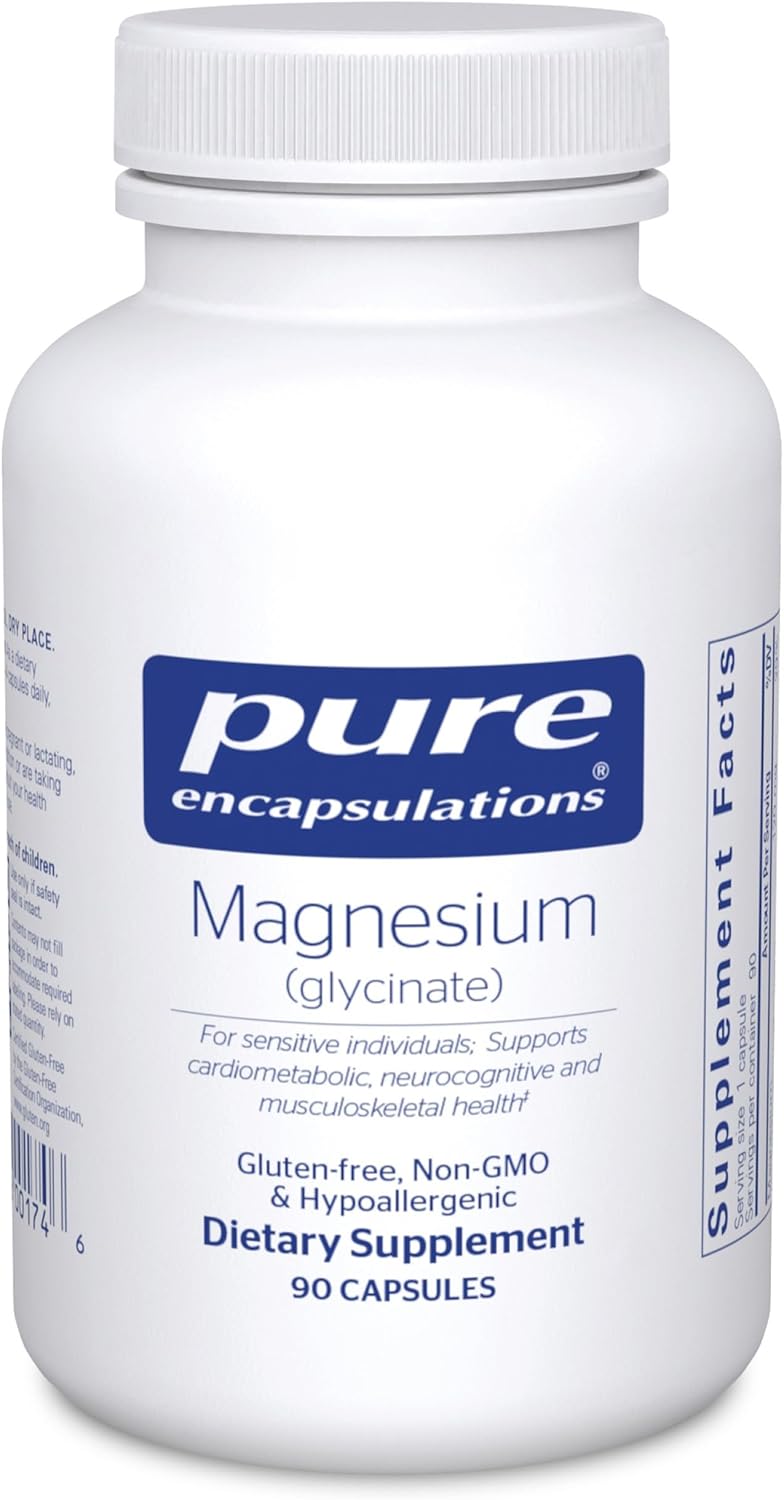
Pure Encapsulations Magnesium Citrate
150mg elemental magnesium · 180 capsules
$27.00
Check Price on Amazon →Ashwagandha for Athletic Performance
The athletic performance evidence for ashwagandha is one of the stronger application areas in the research. A 2015 RCT published in the Journal of the International Society of Sports Nutrition found that 300mg KSM-66 twice daily over 8 weeks produced significant improvements in VO2 max, muscle strength (bench press and leg extension), muscle recovery, and testosterone versus placebo in healthy adults doing resistance training.
The mechanisms are multiple: cortisol reduction improves the catabolic-to-anabolic ratio, allowing faster recovery and better protein synthesis. The direct testosterone effects may enhance muscle protein accretion. And the improved sleep quality from ashwagandha use cascades into better recovery, since most muscle repair happens during deep sleep.
For athletes and active individuals, we pair ashwagandha with Pure Encapsulations L-Carnitine for energy metabolism and fat utilization. L-Carnitine transports fatty acids into the mitochondria for beta-oxidation, directly supporting aerobic capacity and recovery. The combination addresses both the hormonal environment (ashwagandha) and the energy substrate availability (L-Carnitine) for performance.
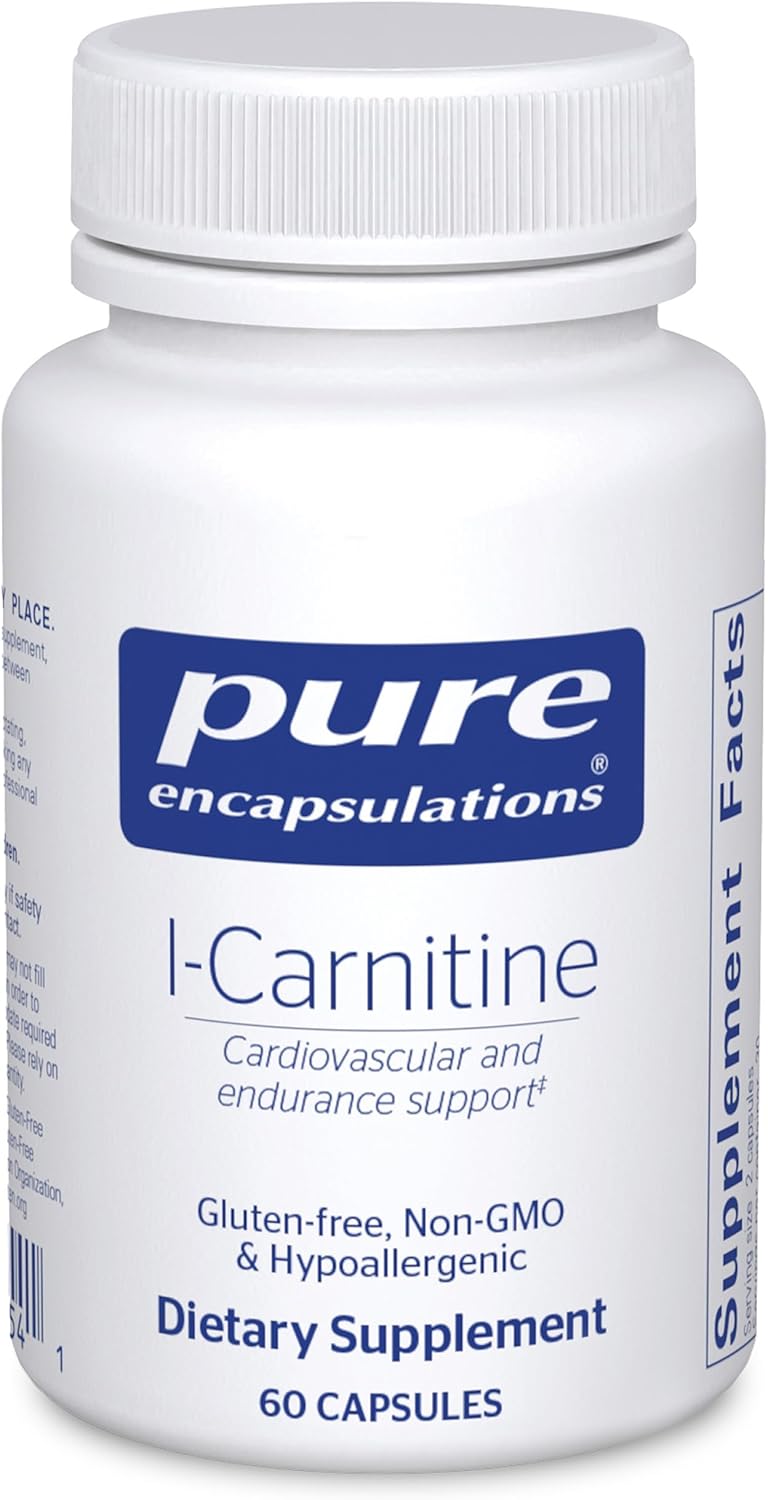
Pure Encapsulations L-Carnitine
Amino acid for fat metabolism and energy · 60 capsules
$52.50
Check Price on Amazon →Ashwagandha and the B Vitamins: An Underappreciated Pairing
Chronic stress depletes B vitamins, particularly B5 (pantothenic acid), B6, B9 (folate), and B12. These are co-factors for adrenal cortisol synthesis, neurotransmitter production, and the methylation reactions that regulate mood and nervous system function. If you are under sustained stress and not supplementing B vitamins, you are running on empty tanks in the very pathways ashwagandha is trying to normalize.
The iVitaLab team consistently recommends Pure Encapsulations B-Complex Plus alongside ashwagandha for any stress or burnout protocol. It provides activated forms of the B vitamins (methylfolate, methylcobalamin, P5P) that are immediately usable without the conversion steps that some individuals struggle with genetically. This is the same product we recommend in the collagen article for homocysteine management, which underscores how central the B vitamins are across multiple health targets.
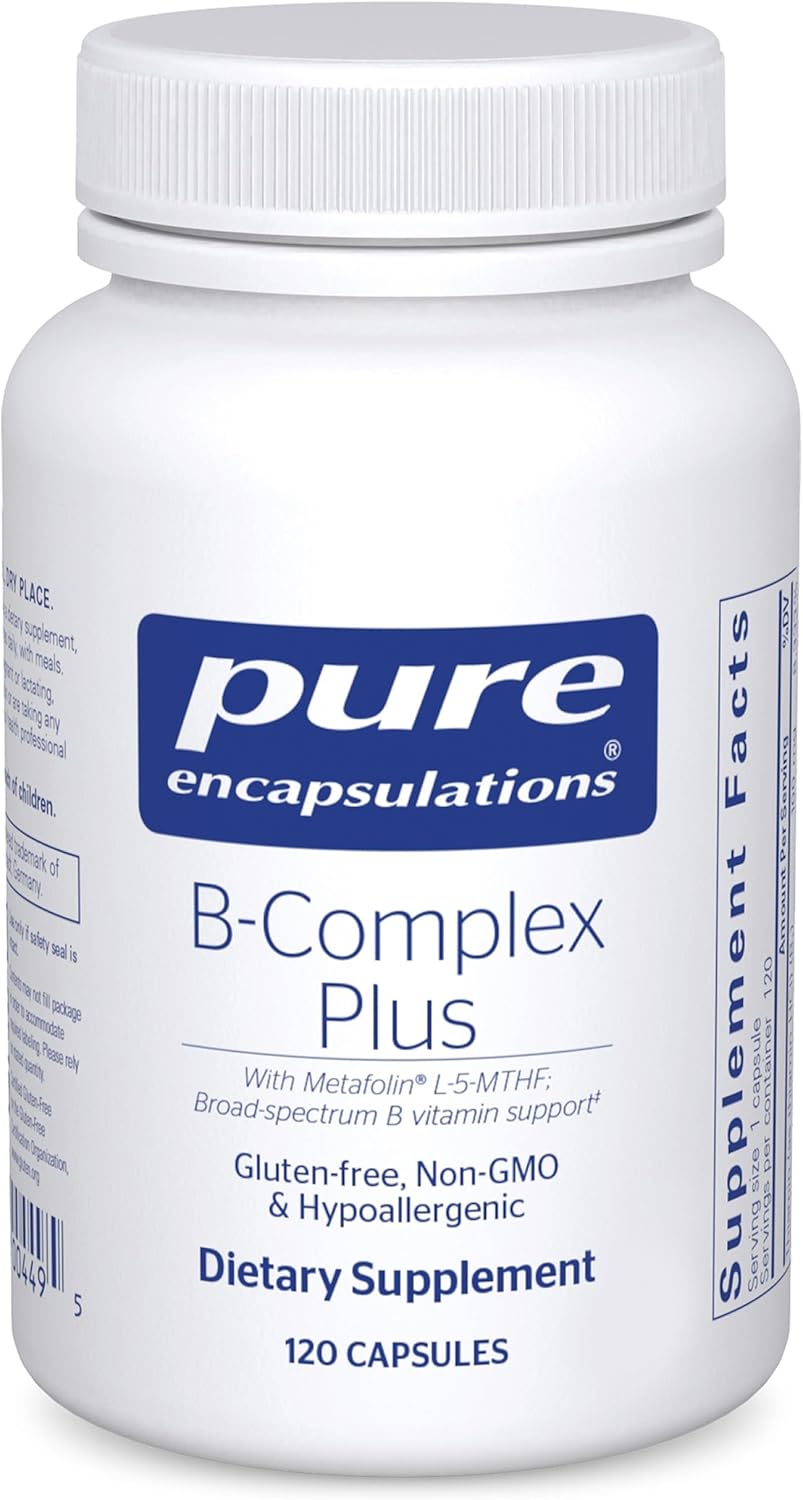
Pure Encapsulations B-Complex Plus
Complete activated B vitamins · 60 capsules
$42.00
Check Price on Amazon →Adding NAD+ Support: The Fatigue Layer
Chronic stress accelerates NAD+ depletion. The DNA repair machinery activated by cortisol stress consumes PARP enzymes, which are NAD+ dependent. The result is an accelerated decline in NAD+ levels, compounding the age-related NAD+ drop that already costs most people 50% of their NAD+ by their fifties.
For people dealing with stress-related fatigue that goes beyond what ashwagandha and magnesium address, the iVitaLab team recommends adding a NAD+ precursor. Pure Encapsulations NR Longevity NAD+ is our preferred form. Nicotinamide Riboside (NR) crosses into cells efficiently, raises systemic NAD+ levels measurably within weeks, and directly supports the sirtuin activation and mitochondrial function that energy production depends on.
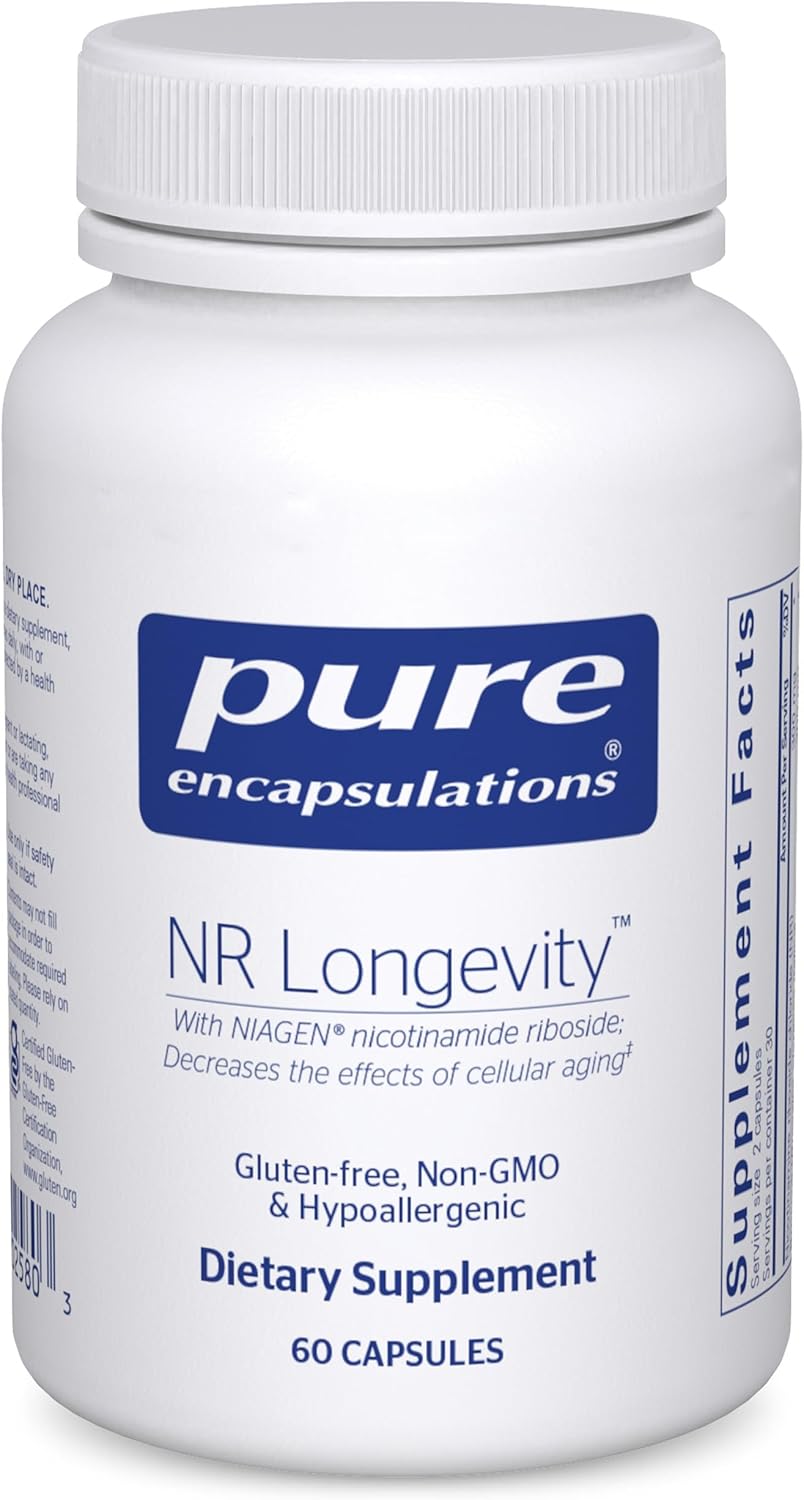
Pure Encapsulations NR Longevity NAD+
Nicotinamide Riboside · 60 capsules
$65.00
Check Price on Amazon →Side Effects and Who Should Avoid Ashwagandha
Ashwagandha is well-tolerated in the vast majority of clinical trials, but there are important contraindications the iVitaLab team wants to be direct about.
Common Side Effects
At standard doses, the most commonly reported side effects are mild GI upset (nausea, loose stools), particularly when taken on an empty stomach. Taking ashwagandha with food resolves this for most people. At high doses or with extended use, some individuals report vivid dreams or mild sedation, both more common with Sensoril than KSM-66.
Thyroid Interaction: Significant and Underreported
Ashwagandha has a well-documented stimulatory effect on thyroid hormone production. It increases T3 and T4 levels, which is beneficial for people with subclinical hypothyroidism, but can be a problem for anyone on thyroid medication (levothyroxine, liothyronine, or similar). If you take thyroid hormone replacement, do not add ashwagandha without discussing it with your prescribing physician. The interaction can shift you out of your target therapeutic range.
Autoimmune Conditions
Ashwagandha's immune-modulating properties, which are part of what makes it valuable, mean it can also stimulate immune activity in ways that are counterproductive for autoimmune conditions. If you have Hashimoto's, lupus, rheumatoid arthritis, or are on immunosuppressant medication, the iVitaLab team recommends consulting a physician before use.
Pregnancy and Breastfeeding
Ashwagandha is traditionally classified as an abortifacient in high doses and has not been adequately studied in pregnant women. It should be avoided during pregnancy and, due to lack of safety data, during breastfeeding.
What to Look for When Buying Ashwagandha
At iVitaLab, we do not currently carry a standalone ashwagandha product. When evaluating options, here is what our team uses as a checklist:
- Standardized extract (not whole root powder): Look for KSM-66, Sensoril, or another clinically studied extract with a specified withanolide percentage.
- Withanolide percentage stated: KSM-66 should be at least 5%. Generic "standardized" claims without a percentage are red flags.
- Third-party testing: NSF, Informed Sport, or USP certification confirms the product contains what it claims at the stated potency.
- Root-only or root+leaf clearly labeled: This affects the withanolide profile and dosing. Do not use a KSM-66 protocol with a Sensoril dose or vice versa.
- No proprietary blends: The dose of ashwagandha in a blend should be disclosed on the supplement facts panel.
The Ashwagandha Stack: Dosage and Monthly Cost
| Supplement | Role | Monthly Cost |
|---|---|---|
| Ashwagandha KSM-66 (300mg x2) | HPA axis modulation, cortisol, testosterone | ~$20-35 |
| Magnesium Citrate | Sleep, GABA, parasympathetic activation | ~$14 |
| B-Complex Plus | Adrenal support, methylation, neurotransmitters | ~$42 |
| Ubiquinol CoQ10 200mg | Mitochondrial energy, testosterone synthesis | ~$40 |
| L-Carnitine | Fat metabolism, endurance, recovery | ~$53 |
| NR Longevity NAD+ | NAD+ restoration, energy, DNA repair | ~$65 |
| Full stress and energy stack (incl. ashwagandha) | ~$234/month | |
Start lean: ashwagandha (KSM-66, 300mg twice daily) plus Magnesium Citrate at night. That combination costs under $50/month and addresses both the cortisol and sleep dimensions of stress. Add B-Complex Plus next for adrenal replenishment. The energy stack additions come last.
Frequently Asked Questions
How much ashwagandha should I take per day?
The clinical evidence is strongest in the 300mg to 600mg range for KSM-66 root extract, standardized to at least 5% withanolides. Sensoril is dosed lower at 125mg to 250mg twice daily. Generic whole root powder requires higher doses (2 to 5g) and delivers less consistent potency. Always take with food to minimize GI side effects.
Does ashwagandha actually lower cortisol?
Yes, with a caveat: the effect is most pronounced in people under chronic stress. A landmark 2012 RCT found that 300mg KSM-66 twice daily reduced serum cortisol by 27.9% versus placebo over 60 days. The effect is modulatory rather than suppressive, helping restore the normal diurnal cortisol curve rather than simply blunting cortisol production.
What is the difference between KSM-66 and Sensoril ashwagandha?
KSM-66 is root-only, standardized to 5% withanolides, and has the most RCTs overall. It is the better pick for testosterone, physical performance, and general stress. Sensoril uses root and leaf, has higher withanolide standardization, and has stronger evidence specifically for sleep quality and anxiety. Both are clinically validated. Match the form to your primary goal.